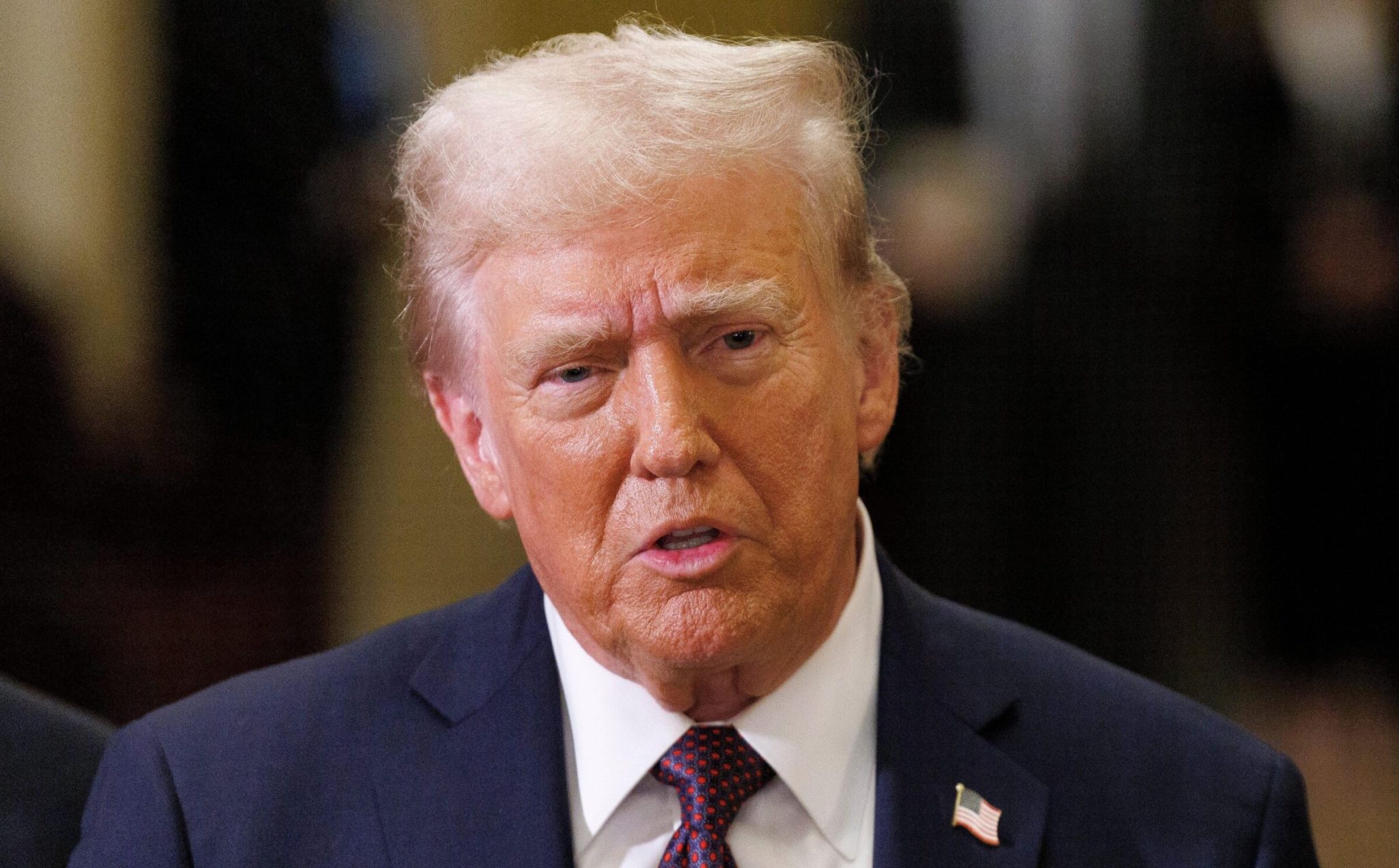
President Trump’s bold crime policy strategy is reshaping Washington D.C. with federal intervention in local law enforcement. As a political battle brews in Congress, could this approach become a model for America’s cities?
A transformative shift is unfolding in Washington D.C., as President Trump’s administration uses the nation’s capital as a testing ground for controversial crime policies. With the federal government taking unprecedented steps to reshape law enforcement, a fierce political battle is brewing in Congress. The stakes could not be higher as the debate centers on federal control over crime policy and the future of urban safety.
Washington D.C. as a Policy Laboratory
Under President Trump, Washington D.C. has become the focal point for a nationwide experiment aimed at addressing urban crime. This shift could have profound implications for how law enforcement operates in cities across the U.S. While Republicans rally behind the initiative, Democrats are voicing concerns over the constitutional implications of such federal intervention.
Trump’s approach marks a stark departure from traditional crime policy. Instead of relying on local structures, the administration is asserting federal control over key aspects of policing in D.C. This has ignited a heated debate on Capitol Hill, with experts noting that this bold move could set precedents for federal-state relations for years to come.
The Capitol Divided: A Legislative Showdown
As the White House gears up to introduce a comprehensive crime bill, the political temperature on Capitol Hill is rising. Republican lawmakers are pushing full steam ahead, while Democratic leaders organize fierce opposition. This issue is shaping up to be one of the most significant political battles in recent memory, with both parties viewing the outcome as a potential template for future urban crime policy.
Senator Lindsey Graham of South Carolina has emerged as a strong ally for Trump, working alongside Attorney General Pam Bondi to garner congressional support. Graham’s involvement underscores the importance of this initiative to the Republican Party, signaling that they see this as a critical issue moving forward.
“We think the Democrats will do nothing to stop crime, but we think the Republicans will take action almost unanimously,” Trump declared. This framing suggests that the administration is willing to pursue the plan even without bipartisan support, potentially energizing the Republican base while also facing significant challenges in Congress.
Beyond Law Enforcement: Urban Renewal and Economic Investment
The administration’s crime initiative isn’t just about law enforcement. Trump’s plan also includes substantial infrastructure investments aimed at revitalizing D.C. These efforts are tied to the “broken windows” theory, which suggests that improving physical surroundings can help reduce crime. Critics argue this approach fails to address the root causes of crime, while supporters argue that visible improvements can boost morale and aid law enforcement.
Senator Katie Britt of Alabama is working with Graham to ensure funding for the “D.C. Security Fund,” which will cover both law enforcement and infrastructure projects. While the exact funding figures remain under wraps, sources suggest that substantial financial support is being considered for the project.
Legal and Constitutional Implications
Trump’s move to take direct control of the Metropolitan Police Department raises significant legal questions. While the president has temporary authority over the department, it lasts only 30 days unless Congress grants an extension through a joint resolution. This could present a roadblock if Democrats choose to resist, stalling the initiative.
Legal experts highlight the unique position of Washington D.C., which is governed by Congress but administered locally. The Home Rule Act provides for federal intervention under certain emergency conditions, but there’s debate over whether current crime levels justify such an intervention. Democratic leaders, including Senator Dick Durbin, argue that Trump’s actions represent an overreach of federal power.
The administration has suggested declaring a national emergency to bypass congressional approval, which could result in swift legal challenges and set a precedent for future executive actions.
Local Impact: Changing Police Practices
The effects of Trump’s approach are already being felt on the ground in Washington D.C. One of the most significant changes is Attorney General Bondi’s decision to rescind sanctuary city protections. This has altered how the Metropolitan Police interact with immigrant communities, with some arguing it will undermine trust between law enforcement and those communities. Supporters, on the other hand, believe it will help identify and remove criminal elements.
Additionally, the appointment of a federal “emergency police commissioner” to oversee the Metropolitan Police Department marks a departure from traditional local control. Local officials argue that this shift in leadership undermines democratic governance and local accountability.
National Implications: Could This Spread Across America?
While the focus is currently on Washington D.C., the broader political implications of Trump’s crime initiative could extend to cities across the country. The administration has framed the D.C. experiment as a model for addressing crime in other “blue cities” – urban areas controlled by Democrats that Trump argues have failed to maintain public safety.
If successful, this initiative could serve as a template for similar federal interventions in high-crime cities across the U.S. Republican leaders in states with rising crime rates are watching closely, with some signaling they would welcome federal involvement. In contrast, Democratic leaders are organizing opposition, arguing that federal control undermines local governance and may disrupt effective crime prevention efforts.
The Path Forward: A Race Against Time
As Congress prepares to reconvene after Labor Day, lawmakers face a looming deadline to address key issues, including funding for the federal government. Republican leaders may seek to attach D.C. security provisions to broader spending legislation, forcing Democrats to either support the initiative or risk a government shutdown.
The political battle surrounding this initiative highlights deeper questions about the role of federal versus local government in managing public safety. As Congress debates the future of D.C.’s crime policy, the results of this experiment could set the stage for future debates on urban crime, federalism, and the balance of power in America.
The Future of Federal Power in Urban Crime Policy
As Washington D.C. becomes the battleground for this critical debate, the outcome will likely shape the future of American crime policy. The decision to expand federal power in urban crime management raises important questions about the appropriate balance of authority between local governments and the federal administration. The next few months could define the future trajectory of law enforcement in the U.S., with far-reaching consequences for cities, communities, and the country’s approach to public safety.