Individuals living with HIV share their first symptoms, offering insight into the early signs of the condition. Experts warn of a potential 3.3 million new HIV cases by 2030. Learn more about HIV diagnosis, symptoms, and treatments.
As the global fight against HIV continues, experts have raised alarming concerns over the rising number of HIV cases. The United Nations Population Fund (UNFPA) recently warned that by 2030, there could be an additional 3.3 million new HIV cases. As of the end of 2023, approximately 39.9 million people worldwide were living with HIV.
Despite these challenges, the World Health Organization (WHO) remains hopeful, acknowledging the resilience and innovation of communities striving to end AIDS. However, it also pointed out that “life-saving services are being disrupted,” which leaves many communities vulnerable.
In the wake of these warnings, individuals living with HIV have opened up about their personal experiences. Many have shared their stories on platforms like Reddit, detailing the first symptoms they noticed before receiving their diagnosis.
Common Early Symptoms of HIV
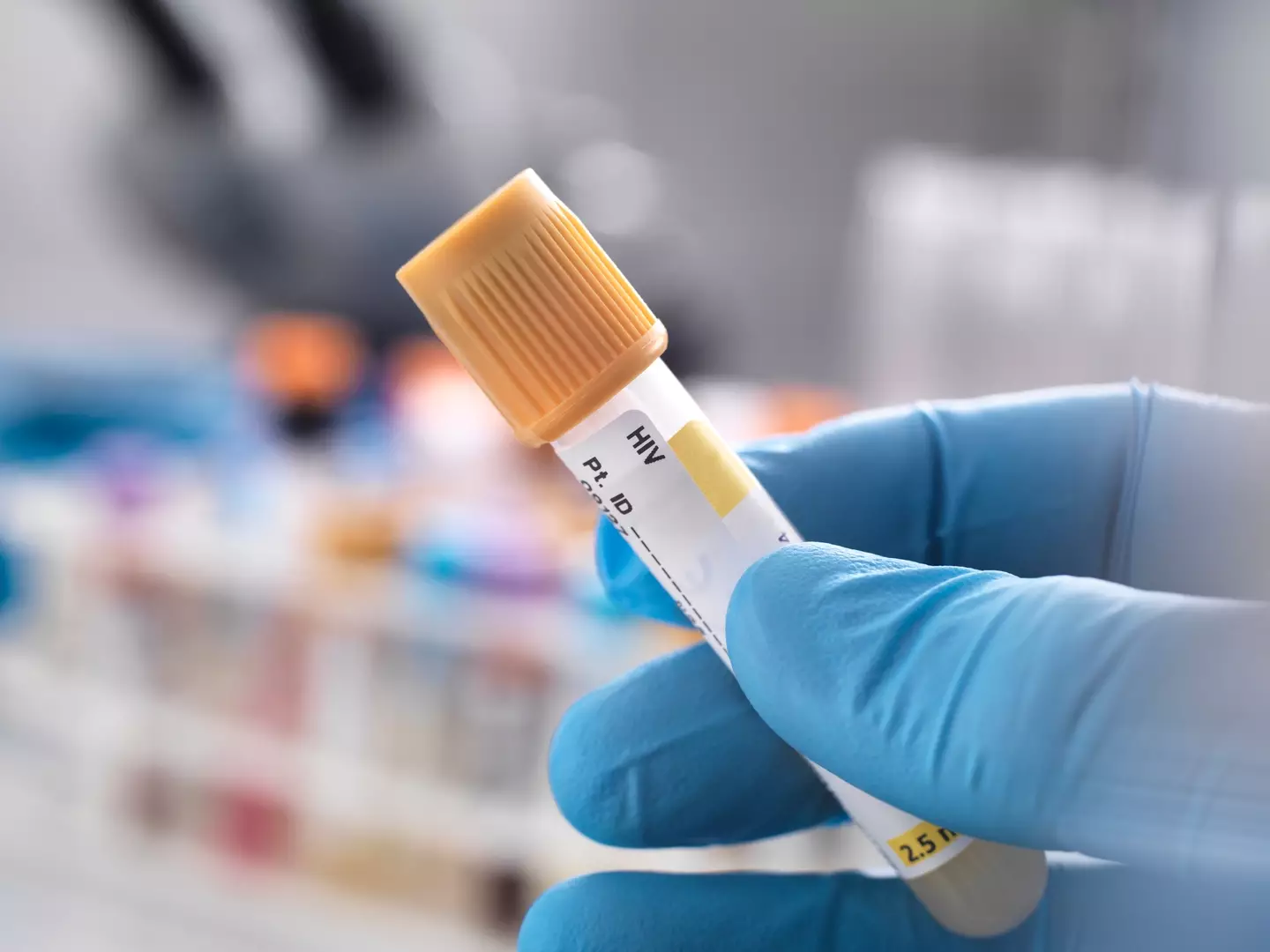
While HIV affects people differently, several common symptoms can alert individuals to the condition. Here are a few examples shared by people living with HIV:
1. Sudden, Extreme Fatigue
One person shared that they experienced no symptoms initially, but one day, after a good night’s sleep, they woke up feeling so exhausted that they couldn’t get out of bed. This unusual tiredness led them to visit a doctor, where they were diagnosed with HIV.
Another individual said, “I had no symptoms until I felt an unexpected and overwhelming fatigue that led me to seek medical advice.”
2. Flu-like Symptoms
For many, flu-like symptoms can be an early sign of HIV. One individual mentioned that just a week after a risky encounter, they developed flu-like symptoms, including a mild fever and small rashes. “It was then that I realized I might be infected,” they said, explaining how they sought an online testing kit to confirm their suspicion.
These symptoms, which resemble a common cold or the flu, are often the body’s response to the virus. In some cases, they can appear a few weeks after exposure.
3. Skin Rashes
A few people noted that they experienced skin rashes early on, which they initially brushed off as a minor issue. However, when the rashes persisted and accompanied other symptoms, they sought medical help, which led to their HIV diagnosis.
Late Diagnosis and Living with HIV
For some, the diagnosis comes later than it should. Late diagnoses can have a significant impact on treatment options and overall health. One person who received a late diagnosis shared their journey, stating, “Yes, there is hope even after a late diagnosis.”
While a late diagnosis can feel devastating, modern antiretroviral medications (ARVs) have greatly improved the quality of life for those living with HIV. These medications help to prevent the virus from reproducing and spreading to other people. When taken consistently, ARVs can reduce the viral load to undetectable levels, meaning HIV may not show up in blood tests.
The Importance of Early Testing and Treatment
As the number of HIV cases continues to rise, experts emphasize the importance of early testing. HIV self-testing kits are available online and at health centers, and individuals are encouraged to seek medical advice as soon as they notice symptoms. Early detection can significantly improve the effectiveness of treatment.
How Did You Find Out You Were HIV Positiv And Is There Hope After A Late Diagnose??
by inhivaids
ARVs: What You Need to Know
Antiretroviral therapy (ARV) is not a cure for HIV, but it is an effective treatment. By taking a combination of ARVs, individuals can manage the virus and lead healthy lives. This combination therapy reduces the risk of drug resistance and helps ensure the long-term success of treatment.
If HIV is managed properly, individuals can achieve undetectable levels, meaning the virus is present at such low levels that it cannot be transmitted to others. This is referred to as undetectable = untransmittable (U=U).
The Path Forward: Hope Amidst Challenges
While the challenges surrounding HIV remain, there is hope. Advances in treatment and the growing global awareness of the importance of early testing continue to make a positive difference. For those living with HIV, medical advancements provide the tools needed to lead fulfilling lives, free from the fear of passing on the virus or suffering from its most severe effects.
If you or someone you know is living with HIV and wants to speak confidentially with a support group, many organizations offer hotlines and online resources to help.