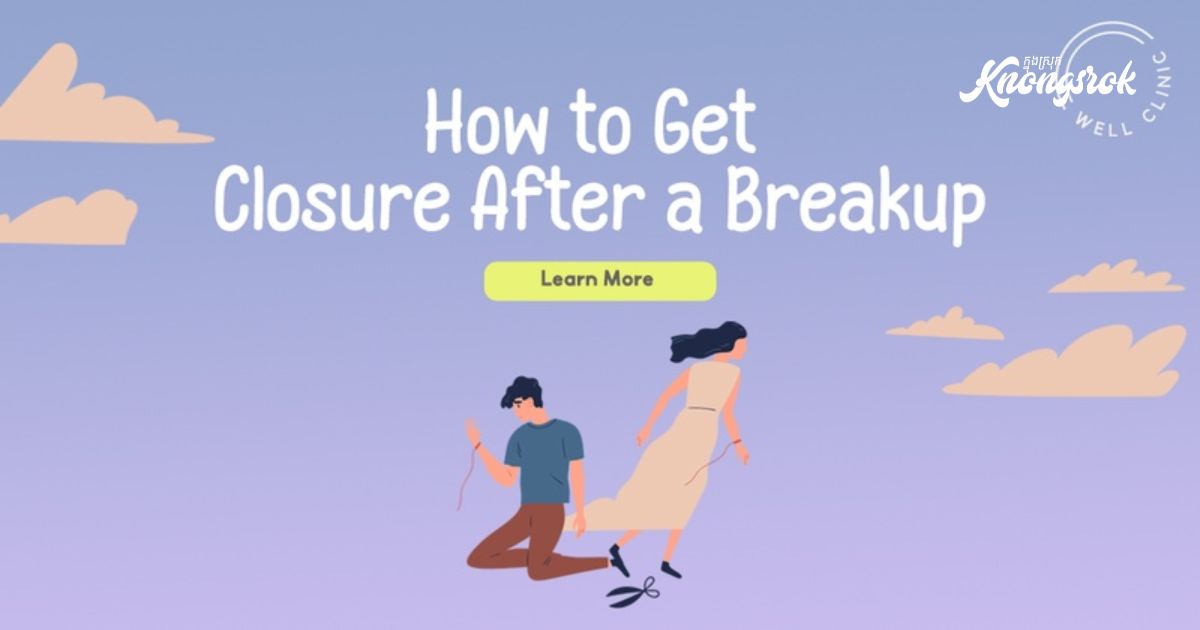
How to Heal From Someone Who Didn’t Give You Closure
Not every story ends with a neat goodbye.
Sometimes, people leave without explaining.
Sometimes, you’re left standing in the ruins, holding a thousand questions with no one to answer them.
Closure is something we all crave — but life doesn’t always hand it to us.
And learning to heal without it is one of the hardest things you’ll ever do… and also one of the strongest.
Why We Crave Closure
Closure gives us:
-
A sense of control
-
A reason for our pain
-
Permission to move on
Without it, we’re stuck replaying memories, wondering what went wrong, questioning our own worth.
We’re wired to seek patterns and explanations — and when there’s none, it feels like we’re trapped in a story without an ending.
The Truth: Closure Is an Inside Job
Waiting for someone else to give you closure is like waiting for a train at an abandoned station.
Sometimes, the people who hurt us are too broken, too selfish, or too scared to offer honesty.
You may never get the apology, the confession, or the goodbye you deserve.
Healing means deciding to give yourself closure anyway.
Signs You’re Still Seeking Closure
-
Replaying conversations in your head
-
Fantasizing about confrontations
-
Stalking their social media for clues
-
Feeling stuck in anger, sadness, or confusion
-
Blaming yourself endlessly
If any of these feel familiar, it’s okay. Awareness is the first step toward freedom.
How to Start Healing Without Closure
1.
Accept That Some Questions Will Remain Unanswered
You may never know why they changed, why they hurt you, or why they left without explanation.
And you don’t have to.
You don’t need every answer to move forward.
“Sometimes peace begins where answers end.”
2.
Write the Goodbye You Never Got
Sit down and write a letter you’ll never send.
Say everything you wish you could say — the anger, the gratitude, the confusion, the grief.
Let it pour out without judgment.
Then destroy it if you want.
Closure is not about them — it’s about you releasing what’s trapped inside.
3.
Reframe the Story
Instead of asking, “Why did they do this to me?”
Ask, “What did this experience teach me about myself?”
Maybe it taught you:
-
You’re capable of loving deeply
-
You survived something painful
-
You deserve better
Painful experiences don’t define your worth — they reveal your strength.
4.
Forgive — Not For Them, But For You
Forgiveness doesn’t mean you excuse what they did.
It means you refuse to carry their poison in your veins any longer.
You deserve peace.
They don’t have to deserve forgiveness for you to let go.
5.
Grieve the Future You Imagined
Often, we’re not just mourning the person — we’re mourning the future we pictured with them.
It’s okay to be sad about the plans that won’t happen.
Grieving lost dreams is part of real healing.
It’s Okay to Still Miss Them Sometimes
Healing doesn’t mean you never think about them.
It means they no longer control your story.
You can miss someone and still move forward.
You can remember the good without erasing the hurt.
You’re allowed to carry the scars without reopening the wound.
You Deserve an Ending — Even If It’s One You Write Yourself
If someone refused to give you closure, here’s what I want you to know:
You are not incomplete.
Their silence does not define your value.
You have the right to write your own ending — one where you survive, heal, and thrive.
SadLife.me is here for every unfinished story.
For everyone still standing, still feeling, still fighting for their own peace.
You are not alone in your healing.