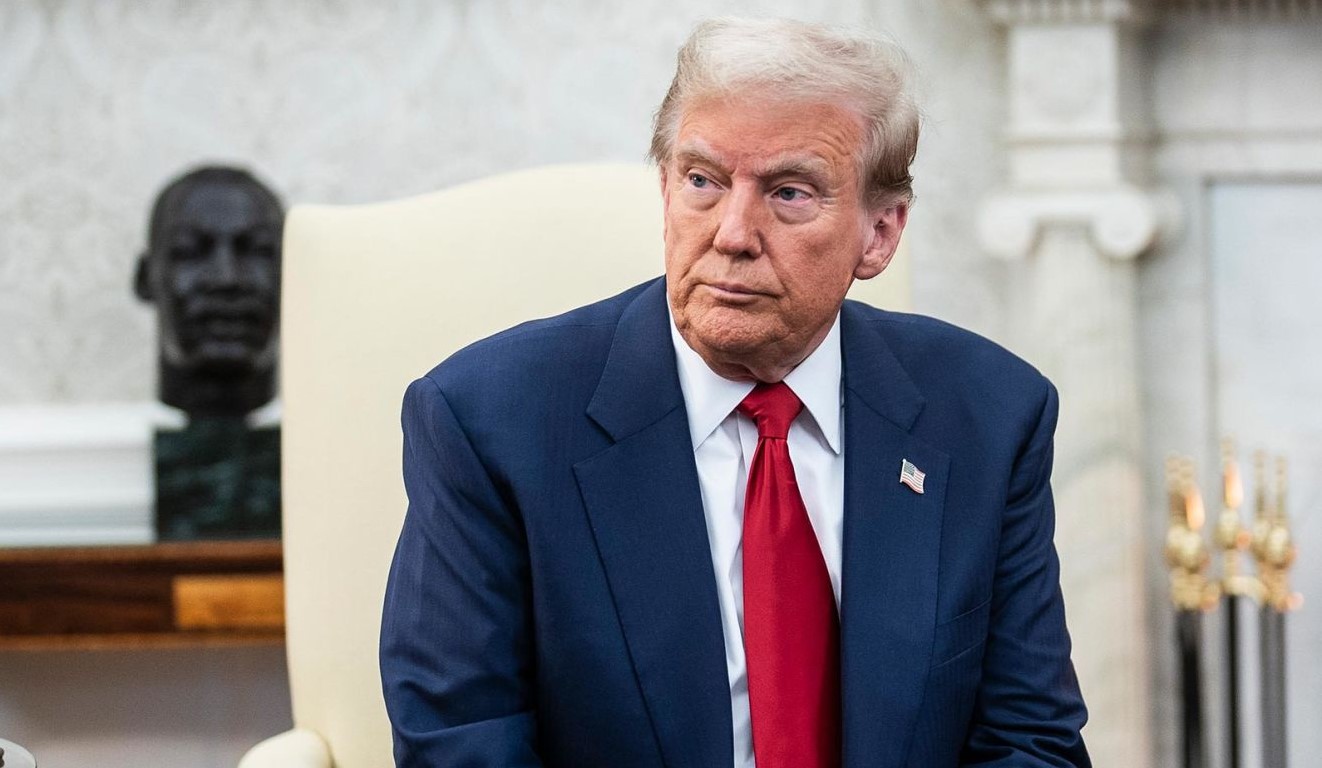
With growing public support, Trump intensifies his “Drain the Swamp” initiative, targeting federal bureaucratic inefficiency. A new poll reveals overwhelming demand for reform, but skepticism remains over actual progress.
Sweeping Government Purge: Americans Demand Trump Accelerate “Drain the Swamp” Campaign
President Trump’s ongoing effort to “drain the swamp” is gaining momentum, fueled by overwhelming public support for his aggressive stance against what he deems entrenched bureaucratic resistance. As the administration pushes forward with its efforts to overhaul the federal government, the public’s call for more drastic measures continues to grow, signaling a seismic shift in how Americans view government institutions and the officials who run them.
Public Mandate: Voters Demand Revolutionary Change
A recent Rasmussen Reports poll reveals that 62% of likely voters are in favor of Trump’s controversial “drain the swamp” initiative, with many calling for more substantial action to remove federal employees and lobbyists they believe are responsible for governmental inefficiency and corruption. This broad support extends well beyond Trump’s usual political base, demonstrating that frustrations with the government transcend party lines.
The poll indicates strong backing not only from Republicans and conservatives but also from traditionally Democratic groups. Remarkably, 50% of Democrats, 61% of Hispanics, and 46% of African Americans expressed support for the initiative, signaling widespread dissatisfaction with the political establishment.
The Accountability Gap: Promise Versus Performance
While the public is largely supportive of the swamp-draining campaign, there is a noticeable accountability gap in Trump’s actual performance. Only 45% of voters believe that the president has successfully made headway in eliminating corruption and inefficiency in government, with 48% expressing skepticism about the effectiveness of his efforts.
This mixed response highlights the challenge of implementing reforms in a complex bureaucratic system and shows the difficulty of making meaningful changes visible to the public. As political pressure mounts, there is a growing demand for more visible, dramatic action that reflects the administration’s commitment to reform.
The Musk Factor: Private Sector Efficiency Meets Government Bloat
One of Trump’s most innovative moves in government reform has been the appointment of Elon Musk to lead the newly formed “Department of Government Efficiency.” The tech mogul’s mandate is clear: streamline the government, eliminate inefficiencies, and implement private-sector principles to tackle public sector bloat.
Musk’s reputation for innovation and his outsider status make him an ideal choice for this monumental task. His ability to identify inefficiencies in complex organizations and his public profile ensure that the initiative receives significant media attention, which is crucial for generating public support and momentum.
Musk’s leadership could represent a turning point in how government operations are managed, applying the same principles of efficiency and innovation that have made his companies successful.
High-Profile Targets: The Bolton Precedent
In an ongoing demonstration of his commitment to drain the swamp, Trump has taken bold actions against high-profile establishment figures, including GOP adviser John Bolton. By targeting well-known political figures who have opposed his agenda, Trump signals that the swamp-draining initiative is not just about anonymous bureaucrats but also about reshaping the political landscape itself.
The dismissal of Bolton, a long-time critic of Trump’s foreign policy, underscores the administration’s willingness to prioritize ideological loyalty and support for Trump’s agenda over traditional party affiliations and qualifications.
Systematic Purge: FBI Leadership Overhaul
The Trump administration has made significant strides in removing key FBI officials linked to politically motivated investigations, most notably those involved in the January 6th Capitol riot probe. Three senior FBI officials were dismissed this month, marking one of the most notable reshuffles in recent history.
These actions are part of the broader purge of perceived “deep state” elements within the FBI, and they signal a shift in the administration’s approach to law enforcement leadership. By removing officials seen as undermining Trump’s policies, the president is taking a decisive stand against those he believes are part of the establishment resistance.
The Dignity of Departure: Professional Responses to Political Purges
Despite the politically charged nature of these personnel changes, the farewell messages from dismissed officials have been marked by professionalism and grace. FBI officials like Brian Driscoll and Steven Jensen, who were removed from their posts, have responded with dignity, despite the political implications of their departures. Their messages reflect respect for the agency’s mission and a commitment to public service, even in the face of adversity.
Department-Specific Reforms: Veterans Affairs Transformation
Trump’s drain-the-swamp initiative also extends to reforms in specific federal agencies. At Veterans Affairs, Secretary Doug Collins has outlined a plan to free up $45 million by cutting bureaucratic inefficiencies. The goal is to direct these funds to improve services for veterans and their families, showcasing how streamlined government operations can directly benefit the public.
The move reflects the administration’s broader commitment to prioritizing efficiency over institutional inertia, even if it means challenging long-standing relationships with unions and traditional bureaucratic structures.
The Union Challenge: Labor Relations and Reform Implementation
One of the key challenges to Trump’s reforms is the role of federal employee unions, which have historically played a powerful role in defending civil service protections. The administration’s willingness to challenge union demands in favor of more efficient government operations is likely to generate significant conflict but could also pave the way for meaningful improvements in service delivery.
Historical Context: Government Reform Movements
Trump’s drain-the-swamp initiative can be viewed in the context of past government reform movements, which have historically sought to address bureaucratic inefficiency and corruption. However, Trump’s approach is more radical, with a focus on dismantling entire agencies and eliminating jobs rather than simply reforming existing systems.
This bold strategy, combined with the application of modern technology and management techniques, has the potential to reshape how government operates for years to come.
Public Trust and Government Legitimacy
The public’s broad support for Trump’s drain-the-swamp initiative reflects deeper concerns about government legitimacy and public trust. With strong backing from both Democrats and Republicans, this reform movement transcends partisan divides and signals a widespread desire for a government that is more responsive, accountable, and effective.
Conclusion: Revolution or Reform?
Trump’s drain-the-swamp initiative represents a potentially transformative moment in American governance. The ongoing purge of bureaucrats, the appointment of Elon Musk, and the overhaul of agencies like the FBI signal a major shift in how the federal government operates. Whether these changes will lead to lasting improvements in government performance or further erode trust in the system remains to be seen. The stakes are high, and the outcome will likely shape American politics for years to come.