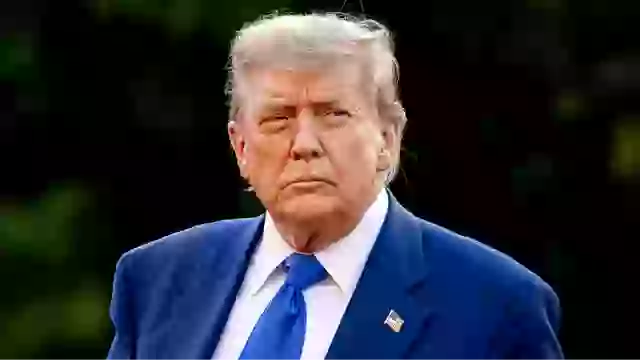
“Trump’s announcement of a 10% government stake in Intel sparks controversy, with critics calling it ‘socialism’ while others see it as a necessary step for national security and economic growth.”
In a move that has ignited a wave of debate, President Donald Trump announced that the U.S. government now owns a 10% stake in the tech giant Intel. The historic deal, made public by U.S. Secretary of Commerce Howard Lutnick on X (formerly Twitter), has drawn both praise and fierce criticism.
“BIG NEWS: The United States of America now owns 10% of Intel, one of our great American technology companies. Thanks to Intel CEO @LipBuTan1 for striking a deal that’s fair to Intel and fair to the American people,” Lutnick wrote. “This historic agreement strengthens U.S. leadership in semiconductors, which will both grow our economy and help secure America’s technological edge.”
Details of the Deal and Intel’s Commitment to U.S. Manufacturing
The agreement follows a meeting between Trump and Intel CEO Lip-Bu Tan, during which Trump pressured Tan over alleged ties to Chinese firms. Trump later commented that Tan, who initially walked into the meeting wanting to retain his position, ended up securing a deal worth $10 billion for the United States.
In a statement, Tan emphasized that Intel remains deeply committed to U.S. manufacturing, stating, “As the only semiconductor company that does leading-edge logic R&D and manufacturing in the U.S., Intel is committed to ensuring the world’s most advanced technologies are American-made.” He further added that Trump’s focus on U.S. chip manufacturing is driving substantial investments in a vital industry for national security and economic growth.
The deal is funded by $5.7 billion in grants from the U.S. CHIPS and Science Act and $3.2 billion from the Secure Enclave program. Intel clarified that the government’s 10% stake will be a “passive ownership” with “no board representation or other governance or information rights,” ensuring that the government will not have influence over the company’s day-to-day operations.
The Socialism Debate: Critics and Supporters Weigh In
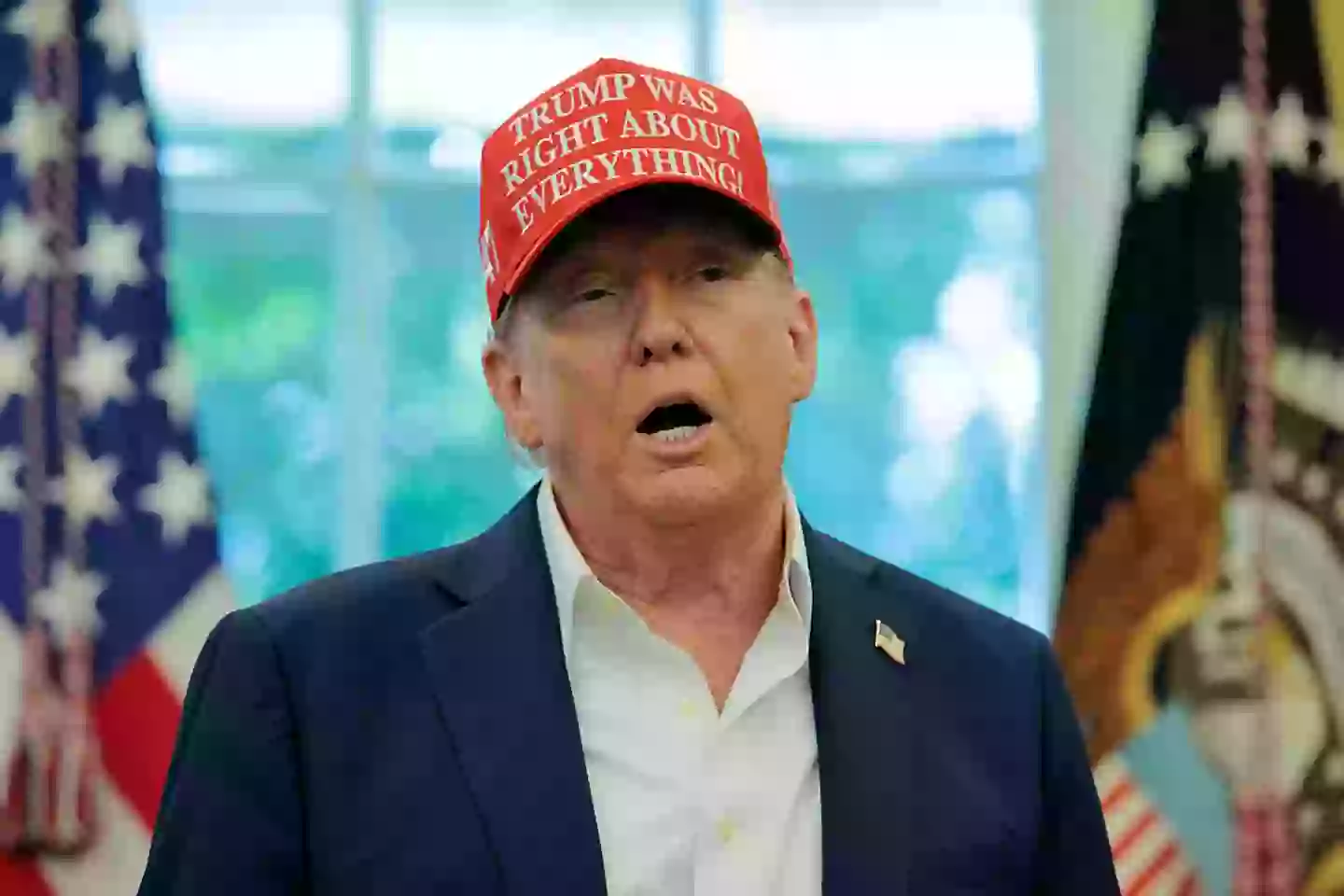
The announcement quickly sparked a divisive debate, with critics accusing the Trump administration of adopting socialist policies. One Twitter user quipped, “ALL HAIL CHAIRMAN TRUMP! WITH HIS GLORIOUS 10% PURCHASE OF INTEL, THE SOCIALIST REPUBLIC OF AMERICA ENTERS A BOLD NEW ERA OF GOVERNMENT-RUN BUSINESS.”
Conservative radio host Erick Erickson also weighed in, calling the deal “actual socialism happening by a Republican administration.” He criticized Republicans for not condemning the move, comparing it to the left-wing policies of socialist candidates like Zohran Mamdani, who ran for mayor of New York City.
Erickson pointed out that Republicans cannot be against socialism “when the left does it” while supporting similar policies when implemented by a Republican president. “If you’re not against socialism overall, guess what? You’re going to get socialism,” he remarked.
However, not everyone shared this view. Senator Bernie Sanders, a long-time critic of corporate welfare, expressed his support for the deal, emphasizing the need for taxpayers to receive a return on their investment. “If microchip companies make a profit from the generous grants they receive from the federal government, the taxpayers of America have a right to a reasonable return on that investment,” Sanders said. “Taxpayers should not be providing billions of dollars in corporate welfare to large, profitable corporations like Intel without getting anything in return.”
BIG NEWS: The United States of America now owns 10% of Intel, one of our great American technology companies.
This historic agreement strengthens U.S. leadership in semiconductors, which will both grow our economy and help secure America’s technological edge.
Thanks to Intel… pic.twitter.com/AYMuX14Rgi
— Howard Lutnick (@howardlutnick) August 22, 2025
The Future of U.S. Semiconductor Industry and National Security
The move is a significant step in the U.S.’s effort to strengthen its position in the semiconductor industry, which is seen as crucial for national security, economic development, and technological innovation. With growing global competition and concerns over supply chain vulnerabilities, especially with China’s increasing influence in the tech industry, this investment aims to ensure that the U.S. maintains its edge in producing critical components for everything from smartphones to military hardware.
The long-term effects of this deal remain uncertain, but it underscores the increasing intersection of government and private sector interests in the world of high-tech manufacturing.
What’s Next?
While the government’s 10% stake in Intel is viewed by some as a necessary step to protect U.S. interests, others continue to see it as a move toward government control of private enterprise. As the tech industry becomes more closely intertwined with national security and economic policy, questions remain about the future of public-private partnerships and government involvement in major U.S. companies.