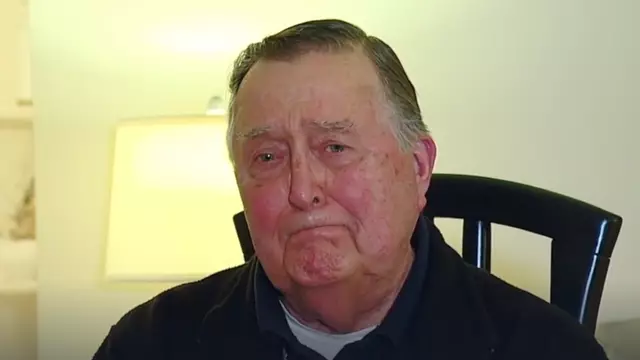
“Jenny Duncan, 45, shares her regret of ignoring embarrassing symptoms before being diagnosed with incurable stage 3 bowel cancer. Early detection could have saved her life.”
Jenny Duncan, a 45-year-old woman from Hull, UK, has bravely opened up about her journey with incurable stage 3 bowel cancer, urging others not to ignore their symptoms due to embarrassment.
What began as seemingly harmless symptoms during a vacation in Lanzarote in 2019 quickly escalated into a life-changing diagnosis. At first, Jenny thought her symptoms, such as stomach pain and blood in her stool, were nothing more than stress or minor issues like piles. As a busy woman about to start a new job as an assistant head teacher, she dismissed the symptoms, hoping they would go away.

However, Jenny’s symptoms worsened, and it wasn’t until 2020, when she started seeing blood on the toilet paper regularly, that she began to take action. She admitted that she was “probably a bit embarrassed” by the nature of her symptoms, explaining, “I just chose to ignore it because it was about poo and bums.”
The Turning Point: A Wake-Up Call from Her Husband
Despite her initial reluctance to seek help, Jenny’s husband, Stuart, insisted that she see a doctor after noticing her symptoms. “He said: ‘What on Earth? We need to get you some help,’” Jenny recalled. This moment, when her husband saw the pictures she had taken of the blood, was the turning point. “I knew I had to do something,” she said.
Jenny was initially told by doctors that she was probably too young for bowel cancer, but after showing the images of her symptoms, she was referred to a specialist. In October 2020, Jenny received the devastating news that she had stage 3 bowel cancer.

A Long Road to Diagnosis: Regret and Reflection
Reflecting on her journey, Jenny shared her regret of not seeking medical advice sooner. “I do regret not going to the doctor straight away. I could kick myself for letting it go on so long,” she said. “If I’d paid more attention to my body, would I have gotten help sooner? I don’t know.”
Bowel cancer, she admitted, was something she never thought would affect someone as young as herself, especially as she was active and healthy. Yet, by the time she sought help, her cancer had progressed, and the disease was already affecting her lymph nodes, making it incurable.
The Impact of Treatment and Life with Incurable Cancer
Jenny’s journey through chemotherapy was difficult, compounded by the isolation brought on by the COVID-19 pandemic. She experienced the physical toll of treatment, including rashes and hair loss, while also feeling emotionally drained as she faced the uncertainty of her future.
Though her tumor was successfully removed in March 2021, the joy was short-lived. Just a year later, Jenny learned that her cancer had spread to her lymph nodes, and the prognosis became grim.

“I absolutely lost it. I was crying and I kept telling Stuart, ‘I’m going to die, I’m going to die,’” Jenny recalled. After a period of emotional withdrawal, Jenny found strength and chose to embrace life again. She threw herself back into work, spending quality time with her sons, Joseph, 26, and twins Matthew and James, 24.
Living with Incurable Stage 4 Bowel Cancer
Today, Jenny lives with incurable stage 4 bowel cancer. She undergoes scans every three to six months, with treatment beginning again when her quality of life declines. Despite the challenges, she remains optimistic. “It’s been three years since my operation, and I’ve been very lucky,” she said. “I do get tired, but I certainly have a life. I am just grateful for every day, as tomorrow isn’t promised to any of us.”
Jenny’s journey has been a testament to resilience, and her message to others is clear: “If something doesn’t feel right, don’t ignore it. Speak up and get help. Early detection could save your life.”
Recognizing the Symptoms of Bowel Cancer
According to the Mayo Clinic, common symptoms of bowel cancer include:
A change in bowel habits
Rectal bleeding or blood in the stool
Ongoing discomfort in the belly area (such as cramps, gas, or pain)
A feeling that the bowel doesn’t empty completely during a bowel movement
Weakness or fatigue
Unexplained weight loss
If you notice any of these symptoms, especially if they persist for more than a few days, it’s essential to consult a doctor as soon as possible.