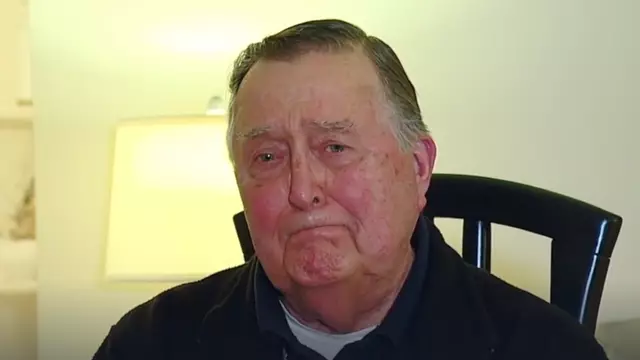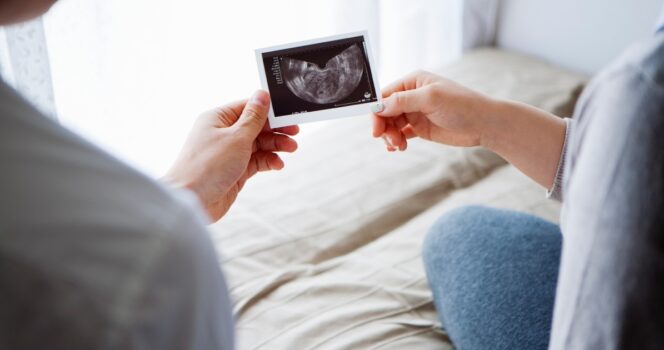
“Bennett Kaspar-Williams, a transgender man, shares his experience of being misgendered during childbirth and the importance of respecting gender identities in healthcare settings.”
In a world that increasingly recognizes the importance of respecting individuals’ preferred names and pronouns, it’s disheartening when these simple yet essential acts of respect are overlooked—especially in critical moments like childbirth.
Bennett Kaspar-Williams, 37, a transgender man from Los Angeles, became a father to his son, Hudson, in October 2020 via cesarean section. Throughout the process, however, Kaspar-Williams encountered ongoing challenges from hospital staff who repeatedly misgendered him, calling him “mother” instead of “father,” despite his gender identity and clearly marked medical forms indicating he identified as male.
A Journey of Self-Discovery and Parenthood
Kaspar-Williams’ journey to parenthood wasn’t easy. After realizing he was transgender in 2011, Bennett began his transition in 2014. As a couple, he and his husband Malik had long discussed starting a family but knew the process would require careful planning. Bennett had been on testosterone therapy for years, which he had to pause to allow his ovaries to resume functioning for pregnancy.
Although Bennett had undergone top surgery, he chose not to have lower body surgery, ultimately deciding to carry a child himself. Despite the challenges, he felt at peace with the decision and became pregnant naturally soon after they began trying.
“After only trying for a short time, we expected it to take longer than it did,” Bennett recalls. The couple’s joy at conceiving was soon overshadowed by the anxiety surrounding the pandemic, but the emotional toll didn’t stop there.
Misgendered at Every Step
The most disheartening part of Bennett’s pregnancy journey, he explains, was the constant misgendering by medical staff. Despite marking “male” on all medical forms, the nurses and healthcare professionals continued to refer to him as “mom” during his interactions with them.
“The only thing that made me dysphoric during my pregnancy was being misgendered when receiving medical care,” Kaspar-Williams shared. “The entire pregnancy system in America is so ingrained in the concept of motherhood, and it’s hard to escape being misgendered.”
Kaspar-Williams felt that his gender identity was disregarded, and it wasn’t just about using the wrong word. It was about the deep-rooted assumption that all people who give birth are “mothers,” an assumption that overlooked his self-identification as a man.
Reframing Parenthood and Gender Identity
After Hudson’s birth, Kaspar-Williams became an advocate for recognizing that childbirth does not always align with traditional gender roles. He stressed the importance of separating womanhood from motherhood, pointing out that the biological ability to give birth does not make someone a “mother.” He voiced his concerns with the New York Post, saying:
“No one can ever really know whether having children is possible until you try — being born with a uterus doesn’t make conceiving or carrying a certainty. That’s why it’s so important that we stop defining ‘womanhood’ in terms of ‘motherhood.’ It’s a false equivalency that all women can become mothers, that all mothers carry their children, or that all people who carry children are mothers.”
Kaspar-Williams emphasized that gender identity and the ability to conceive or carry a child are separate concepts. His personal experience highlights the need for healthcare systems to be more inclusive and to acknowledge the diversity of people who may become parents, including transgender and non-binary individuals.
A Reminder of the Importance of Respect
Kaspar-Williams’ story brings attention to the importance of recognizing and respecting people’s self-identified gender, especially in healthcare settings. While societal norms may still cling to outdated ideas about parenthood and gender roles, stories like Bennett’s help open up much-needed conversations about inclusivity and respect.
As a parent now, Kaspar-Williams shares his love for his family with pride, reminding others of the complexities of identity and the importance of respecting how individuals choose to identify. His journey is a powerful reminder that the path to parenthood is personal and that every family’s story deserves to be acknowledged with dignity.