Jordan Brunoli, a 29-year-old musician from Brisbane, was left with incurable colon cancer after multiple visits to doctors. Learn how his delayed diagnosis highlights the importance of early cancer detection.
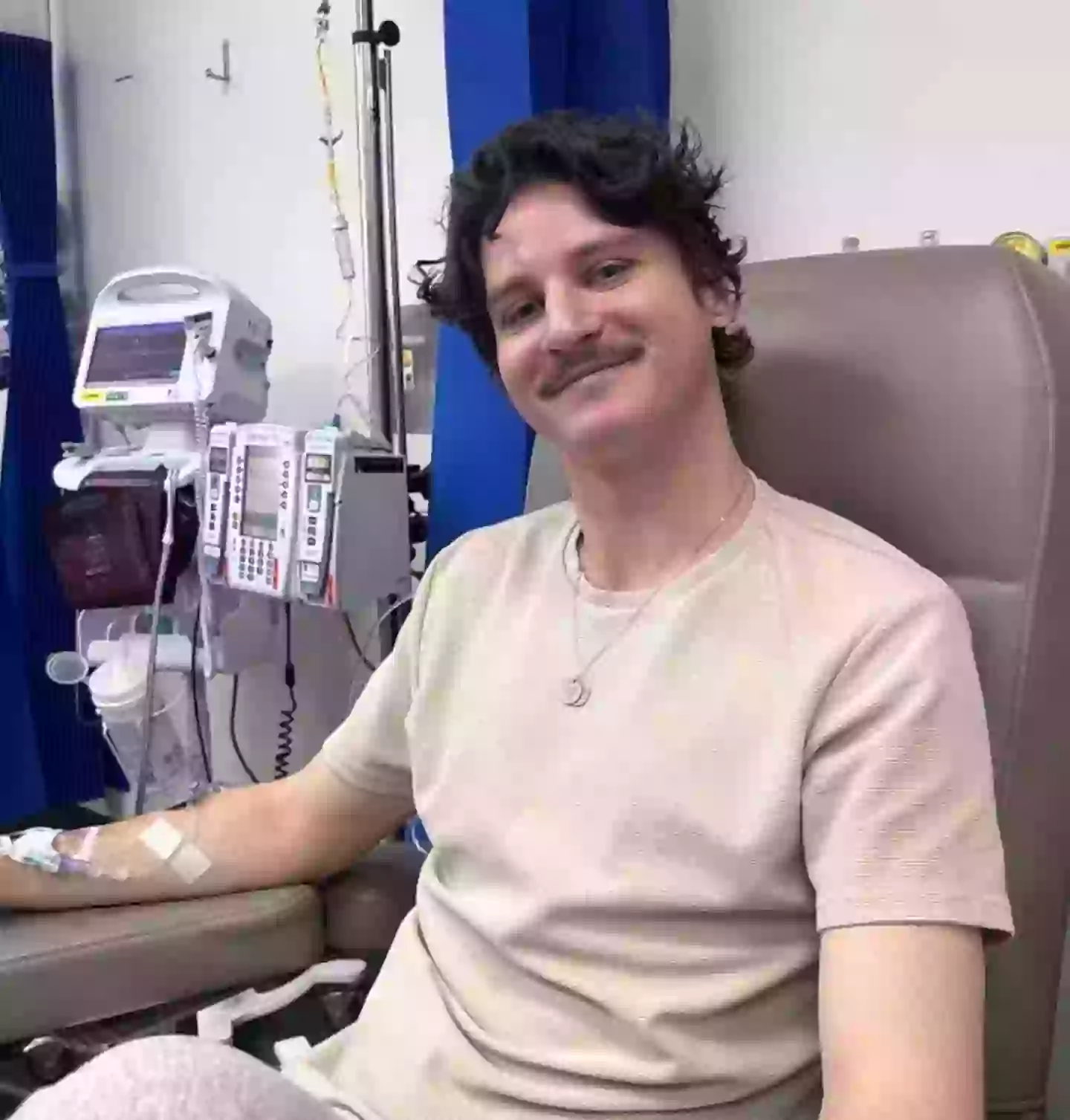
Jordan Brunoli, a 29-year-old musician and bass player for the Brisbane-based band Bugs, has opened up about his battle with colon cancer, which was misdiagnosed for months. His cancer, which had spread to his liver and lymph nodes, was diagnosed only after multiple visits to doctors, where he was repeatedly sent away despite showing alarming symptoms.
Jordan’s band, Bugs, shared the heart-wrenching news earlier this year, expressing their shock at the unexpected diagnosis. “The devastating diagnosis came completely out of the blue,” the band wrote in a social media post. “Jordan has been sent away from emergency and a GP repeatedly after first showing symptoms months ago.”
The Journey to Diagnosis
Jordan explained on his GoFundMe page that he had experienced significant abdominal pain and other symptoms for months before finally being referred for a scan. “After months of constant pain, Jordan was finally sent for a scan and diagnosed, leaving him and his family in a state of shock,” the band posted.
His cancer diagnosis came as a shock not only to him but to everyone around him, as he had been told he was “too young” to have colorectal cancer. However, Jordan stressed the importance of paying attention to signs like blood in stool, abdominal pain, and unexplained weight loss, encouraging others to seek medical help if they experience similar symptoms.
View this post on Instagram
Health and Cancer Awareness
In his message, Jordan stated, “Physically, this doesn’t hold me back, I’m able to do 90 percent of what I could before, just with a slightly higher risk of getting a hernia.” He shared that while he had been told he was “too young” for such a diagnosis, colorectal cancer has recently been increasing among people under 30.
Jordan urged anyone experiencing symptoms to ask their GP for an abdominal ultrasound, emphasizing that early detection can make all the difference in treatment success: “Getting a diagnosis now could be the difference in a stage 1 tumour or stage 4 metastatic.”
Support and Fundraising for Medical Costs
Jordan’s GoFundMe page quickly gained support, raising over AUD$100,000 to help with his medical costs. In a heartfelt message to his supporters, Jordan shared his gratitude: “Every last one of you has touched me deeply. I love you all and feel extremely loved back.” He also updated supporters about his treatment, sharing that he has another CT scan scheduled to check if the chemotherapy is working. “Knowing that there is a financial safety net for future surgeries or medical costs has provided a lot of comfort.”

Colon Cancer Statistics and Symptoms
Colon cancer remains one of the leading causes of cancer deaths in the United States, with the American Cancer Society estimating around 106,590 new cases of colon cancer in 2024. The Mayo Clinic outlines several symptoms that could indicate colon cancer, including:
A change in bowel habits (diarrhea or constipation)
Rectal bleeding or blood in the stool
Ongoing discomfort in the belly area (cramps, gas, or pain)
A feeling that the bowel doesn’t empty all the way during a bowel movement
Weakness or tiredness
Unexplained weight loss
If you’re experiencing any of these symptoms, it’s crucial to consult a healthcare professional. The American Cancer Society offers support via their 24/7 hotline at 1-800-227-2345 or their live chat feature.