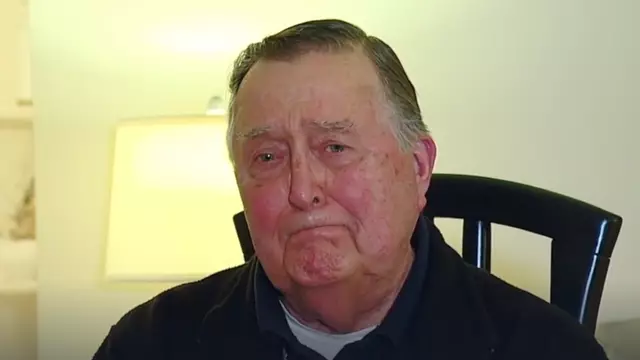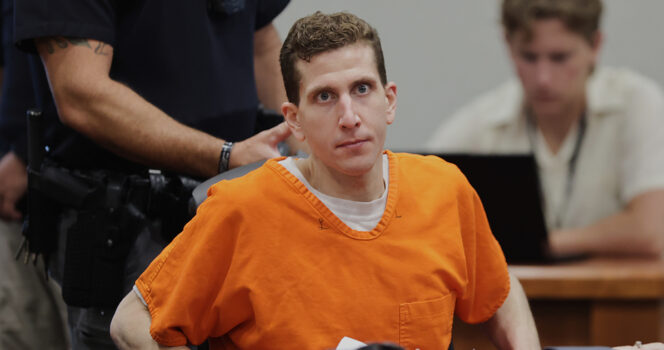
A Washington State University teacher raised concerns about Bryan Kohberger weeks before the tragic Idaho murders. Reports reveal disturbing behaviors that sparked fears about his potential future actions.
Teacher Warned About Bryan Kohberger’s Behavior Before Idaho Murders
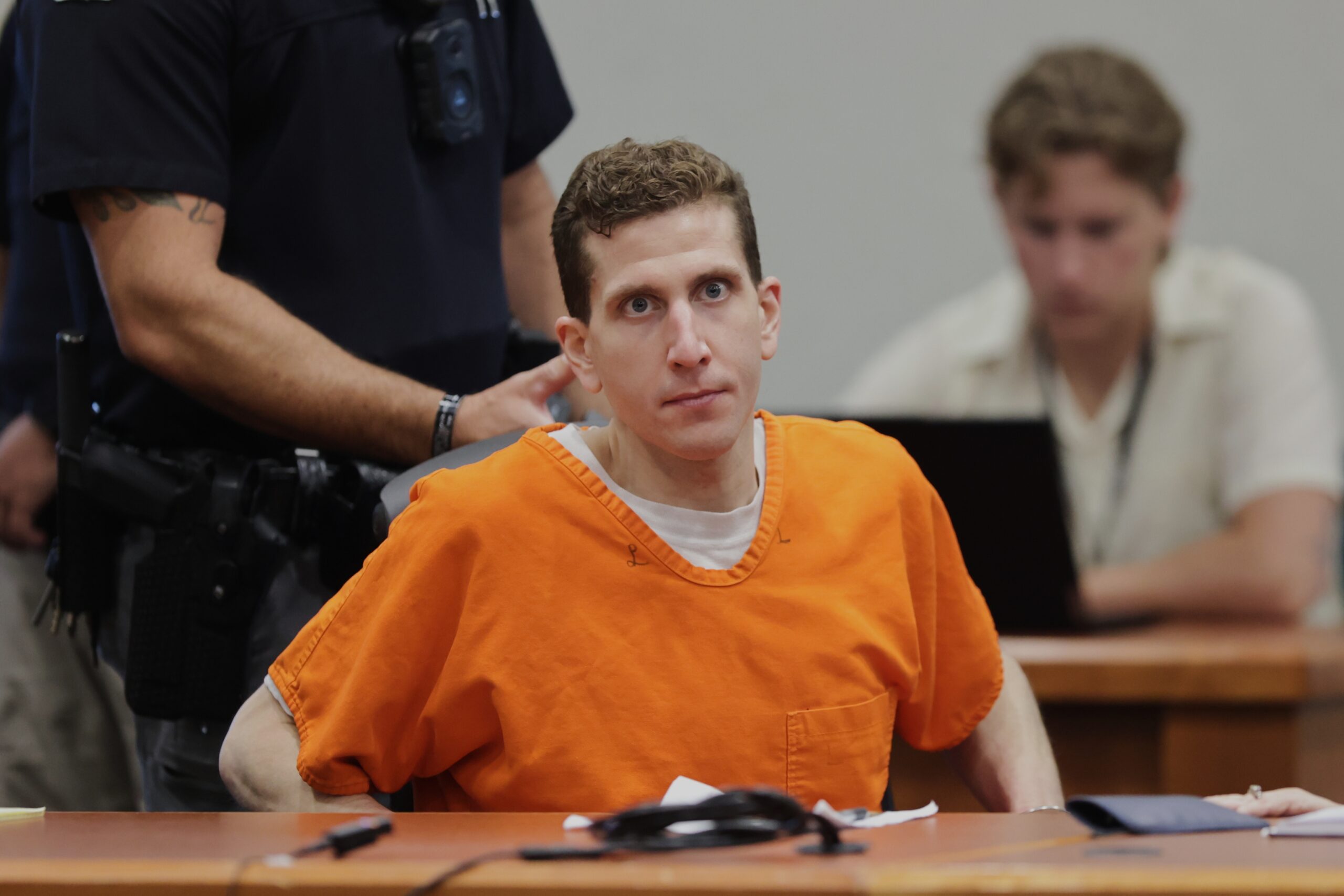
The horrific quadruple murders in November 2022 shocked the nation when Bryan Kohberger, a criminology PhD student, brutally murdered four University of Idaho students. Kohberger, who was later arrested and pled guilty to the crimes, was handed four consecutive life sentences for his actions. However, disturbing new reports suggest that teachers at Washington State University had raised concerns about Kohberger’s behavior just weeks before the murders took place.
Warning Signs Raised by Faculty at Washington State University
Bryan Kohberger had been pursuing a PhD in criminology at Washington State University (WSU), where his behavior allegedly alarmed faculty members. One teacher, who later spoke to investigators, expressed deep concerns about Kohberger’s potential future actions, fearing that if he became a professor, he might use his position to stalk, harass, or abuse students.
The faculty member, described in the Idaho state police report by Detective Ryan O’Harra, was so troubled by Kohberger’s behavior that she urged her colleagues to cut his funding, warning: “He is smart enough that in four years we will have to give him a PhD. Mark my word, I work with predators, if we give him a PhD, that’s the guy [in] many years when he is a professor, we will hear is harassing, stalking, and sexually abusing his students at wherever university.”
Kohberger’s Disturbing Actions at WSU
Reports reveal that Kohberger’s behavior in the university’s offices raised additional red flags. According to the teacher’s statements, Kohberger would sometimes enter an office where several female graduate students worked and physically block the door, preventing them from leaving. One student even reportedly expressed distress, saying, “I really need to get out of here.”
These actions raised suspicions that Kohberger may have been stalking multiple individuals. In fact, the faculty member claimed that Kohberger had broken into the room of one graduate student. Such behaviors only added to concerns about Kohberger’s potential to harm others, especially if he were granted a professorship.
Disturbing Insights from Fellow Students
Additional testimonies also painted a troubling picture of Kohberger’s behavior. An unnamed fellow PhD student in the same program as Kohberger told investigators that Kohberger appeared to enjoy conflict, often made disparaging remarks about women, and frequently discussed topics related to sexual burglary—his area of study.
These unsettling accounts contribute to a growing sense of unease about Kohberger’s actions leading up to the tragic murders. While he has never provided a clear motive for his crimes, the disturbing warning from faculty members serves as a chilling reminder of the potential dangers that can arise from overlooked red flags in academic environments.
Conclusion
Bryan Kohberger’s rise from a criminology PhD student at Washington State University to a convicted murderer is a tragic and disturbing tale. The warnings raised by faculty members just weeks before the Idaho murders suggest that his actions were far from isolated and that his behavior may have escalated had it not been for the horrific crimes he committed. This case serves as a stark reminder of the importance of addressing warning signs and ensuring that individuals with troubling behaviors are appropriately monitored and supported before they can cause harm.