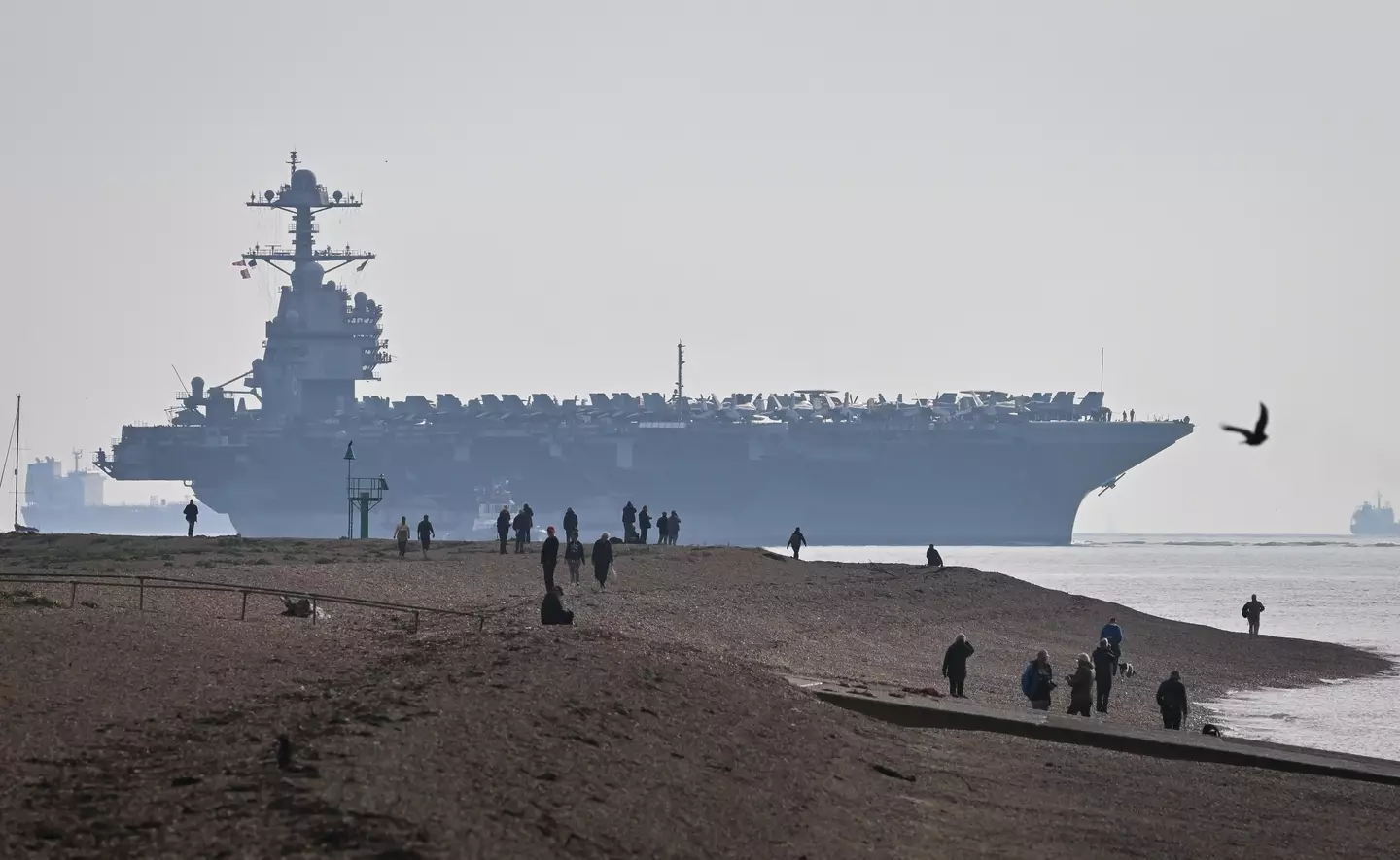
The Trump administration has deployed the USS Gerald R. Ford, the world’s largest aircraft carrier, to South America in a major military escalation. The move aims to combat drug cartels, but it has sparked international concerns, particularly from Venezuela and the UK.
In a significant military escalation, the Trump administration has deployed the USS Gerald R. Ford, the largest and most advanced aircraft carrier in the world, to the seas off South America. This move, which follows a Department of War directive, is part of an ongoing effort to dismantle alleged drug cartels operating in the region.
The deployment, which includes the USS Gerald R. Ford carrier group and its accompanying tactical aircraft, adds to a growing military presence near the waters of Venezuela, heightening tensions in the region. While the U.S. government has framed the mission as a necessary step to combat drug smuggling and transnational criminal organizations, the military build-up has drawn widespread criticism and concern, particularly from neighboring countries.
A Major Military Presence in South America
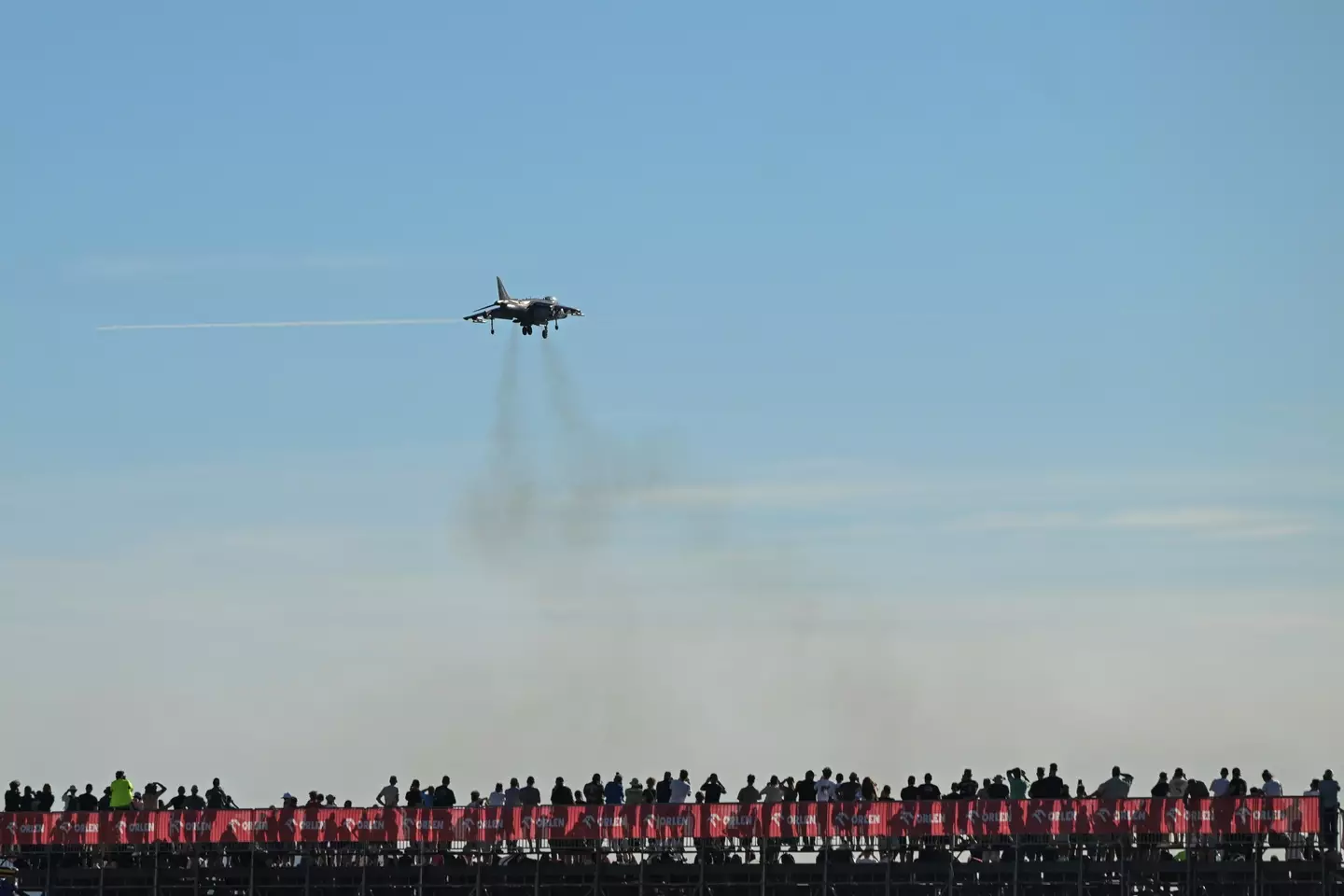
The USS Gerald R. Ford’s deployment to South American waters follows a broader buildup of U.S. military forces in the region. The carrier, along with its crew of 4,000 sailors, is accompanied by an array of strike aircraft, including F/A-18 Super Hornets and AV-8B Harriers. These aircraft, capable of a variety of air-to-ground and air-to-air missions, add significant air power to the U.S. naval presence already stationed off the coast of Venezuela.
This deployment is part of a broader effort by the Department of War, which already has around 4,500 sailors and Marines operating within the U.S. Southern Command area. The area includes Central and South America, as well as the Caribbean. The presence of U.S. naval power is already felt in the region, with a nuclear-powered submarine and eight warships stationed nearby. There are also reports that advanced F-35 aircraft have been deployed, though the Department of War has not confirmed this.
Venezuela’s Response and Regional Concerns
Venezuela, under the leadership of President Nicolás Maduro, has responded to the growing military presence with a “massive deployment” of civil and military forces within the country. While the U.S. has not explicitly stated that the buildup is aimed at Venezuela’s government, Maduro has expressed concern, framing the U.S. actions as a potential prelude to military intervention.
“Venezuela is a zone of peace,” said Brazil’s President Luiz Inácio Lula da Silva, calling on Trump to exercise restraint and urging that the political crisis in Venezuela be resolved through diplomacy rather than military action. Across South America, 58 out of 60 nations signed a declaration against the use of force, signaling their opposition to the U.S.’s increasing military presence.
International Reactions and Legal Concerns
The escalation has not only raised tensions in Latin America but has also prompted concerns among America’s closest allies. The United Kingdom, a key partner in intelligence-sharing, has reportedly paused some cooperation with the U.S. in the wake of the controversial missile strikes that targeted civilian vessels, including fishing boats, allegedly linked to drug trafficking.
The UK’s decision to suspend certain intelligence exchanges stems from concerns that the missile strikes may violate international law. A UK Government spokesperson declined to comment directly on intelligence matters but acknowledged the tensions surrounding the issue.
.jpg)
Despite the ongoing controversy, the U.S. government remains firm in its stance. Chief Pentagon Spokesperson Sean Parnell defended the deployment, emphasizing that the mission would enhance the U.S.’s ability to “detect, monitor, and disrupt illicit actors” in the region, including narcotics traffickers and criminal organizations.
The Broader Context and Trump’s Justification
The Trump administration has repeatedly framed its actions in the region as a necessary response to the threat posed by drug cartels. The deployment of the USS Gerald R. Ford is part of a broader strategy to combat narcotics trafficking and undermine transnational criminal organizations. However, critics argue that the military presence could further destabilize the region and provoke unnecessary conflict.
Trump’s justification for the increased military presence has centered on the need to protect U.S. security and combat illicit activities. He has also framed the deployment as part of his broader foreign policy, one that focuses on reducing the influence of adversarial states and organizations in the Western Hemisphere.
Conclusion
The deployment of the USS Gerald R. Ford to South America marks a dramatic escalation in U.S. military presence in the region. While the official narrative frames the mission as a countermeasure against drug trafficking, the growing military buildup has sparked widespread concern, both within South America and among international allies. As tensions rise, it remains to be seen how this military strategy will evolve and whether it will lead to further geopolitical instability.