Discover the surprising effects of quitting sugar for seven days. From withdrawal symptoms to skin improvements, find out how your body reacts when you cut sugar out of your diet.
For many, the idea of quitting sugar seems like a simple solution for better health. However, a recent simulation has revealed that cutting sugar from your diet for just seven days can trigger a range of physical and mental changes, some of which might surprise you.
While indulging in a sweet treat occasionally is perfectly fine, it’s easy to fall into an unhealthy habit of regularly consuming sugar. But, as many people discover, stopping sugar consumption isn’t as straightforward as it may seem.
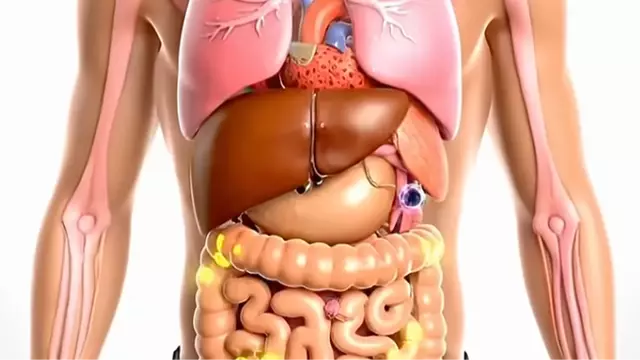
The simulation, featured on the Untold_Healing YouTube channel, illustrates the impact of a sugar-free week on both your body and mind. Although it can be challenging, reducing your sugar intake is a critical step toward preventing conditions like diabetes, obesity, and other serious health issues. Let’s explore the seven-day sugar-free journey and what happens during this time.

Days 1 and 2: The Struggle of Withdrawal
The first two days of quitting sugar are the toughest, according to the simulation. The cravings are intense, and you’ll likely experience some common withdrawal symptoms.
What happens:
Headaches
Mood swings
Fatigue
These symptoms are your body’s way of reacting to sugar withdrawal. The immediate absence of sugar leads to these physical and mental discomforts, making it difficult to stick to your plan.
Days 3 and 4: A Clearer Mind and Stable Energy
By the third and fourth days, the fog begins to lift. Your energy levels start to stabilize, and those dreaded afternoon crashes become a thing of the past.

What happens:
Stable energy levels
Improved mood
No more 3 p.m. energy slumps
At this point, your body is adjusting to life without sugar, and you may notice a shift in how you feel. The worst of the withdrawal symptoms are subsiding, making it easier to stay committed.
Days 5 to 7: Visible Improvements and Fewer Cravings
By the fifth to seventh day, the benefits of quitting sugar begin to show. Not only will you feel better physically, but your skin may also start to look clearer.
What happens:
Clearer skin
Less inflammation
Fewer breakouts
Reduced puffiness
Improved sleep
Fewer sugar cravings
You’ll also find that your cravings for sweets become much less intense, and sleeping patterns improve. These changes indicate that your body is starting to function more efficiently without the added sugar.
The Science Behind Sugar Withdrawal
The simulation and expert opinions suggest that sugar consumption can deeply affect your brain’s chemistry. When you consume sugar, it triggers the release of dopamine, a neurotransmitter associated with feelings of pleasure and reward. This creates a dependency, and when you reduce or eliminate sugar, withdrawal symptoms can occur, making it feel challenging to quit.
Experts from the rehab center Addiction Help note that sugar dependence can lead to various withdrawal symptoms. Common physical symptoms include:
Headaches
Fatigue
Nausea
Mental symptoms, however, can be just as troublesome and include:
Irritability
Anxiety
Mood swings
Worsened mental health
The key takeaway is to stick with it. While some people may try and fail multiple times to completely quit sugar, experts recommend slowly reducing sugar intake or adopting a low-sugar diet to minimize the withdrawal effects.
Conclusion: Is a Sugar Detox Worth It?
While quitting sugar may feel difficult at first, the health benefits make it a worthwhile endeavor. From improved skin to more stable energy levels, cutting back on sugar can have a significant positive impact on your body. If going cold turkey feels overwhelming, start by gradually reducing your sugar intake to avoid the harshest withdrawal symptoms.
Remember, consistency is key. It may take time, but the rewards of a healthier lifestyle are worth the effort.