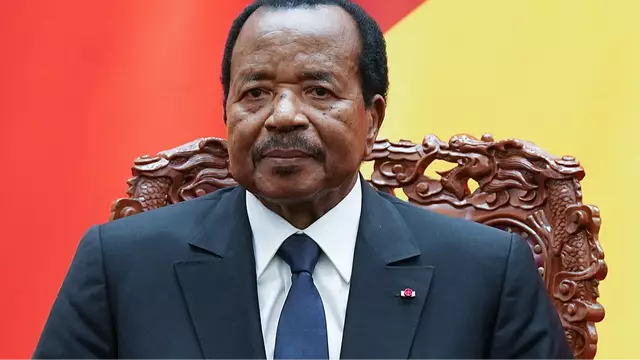
Paul Biya, at 92, wins an 8th term as President of Cameroon, continuing his reign amid protests and allegations of electoral fraud. Find out more about the election and the unrest that followed.
At 92 years old, Paul Biya has broken his own record by winning his eighth term as president of Cameroon, making him the world’s oldest sitting president. Despite being in power for over 40 years, Biya’s latest victory has been surrounded by controversy and protests, with claims of electoral fraud and public unrest.
Biya’s Long-Standing Rule and Recent Victory
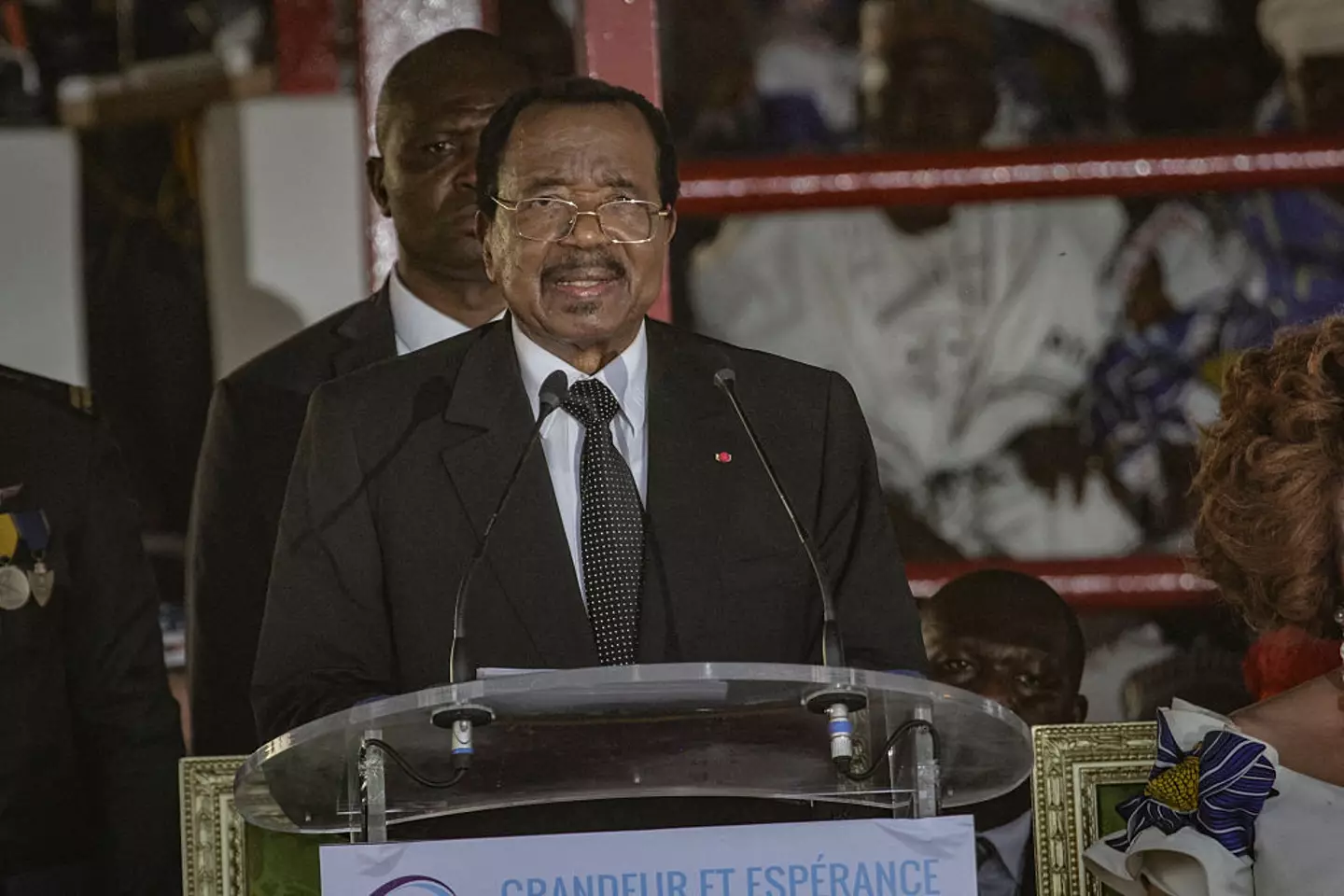
Paul Biya first became Cameroon’s prime minister in 1975 and president in 1982. As of this year, he is the longest-serving president in Cameroon’s history and one of the oldest leaders globally. He celebrated his 92nd birthday in February and remains at the helm of the country.
On October 27, the Constitutional Court announced Biya’s victory in the October 12 election, where he reportedly received 53.66% of the vote. This victory means that Biya will serve another seven years, making him 99 years old by the time the next election occurs.
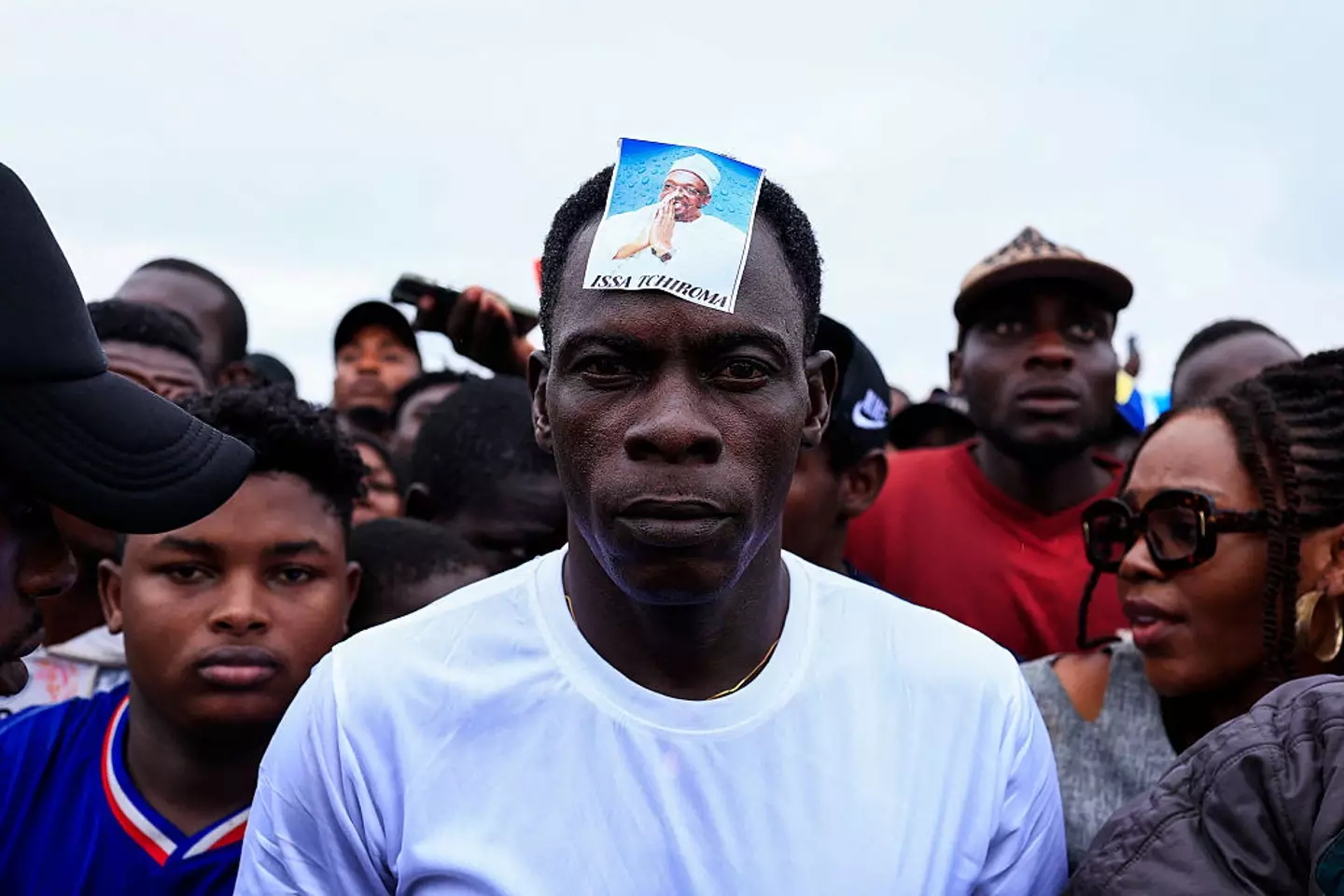
His main opponent, Issa Tchiroma Bakary, who led the Cameroon National Salvation Front, garnered 35.19% of the vote. However, Bakary immediately disputed the results, claiming that the election was rigged and that Biya’s victory was due to ballot manipulation.
Protests Erupt After Election Results
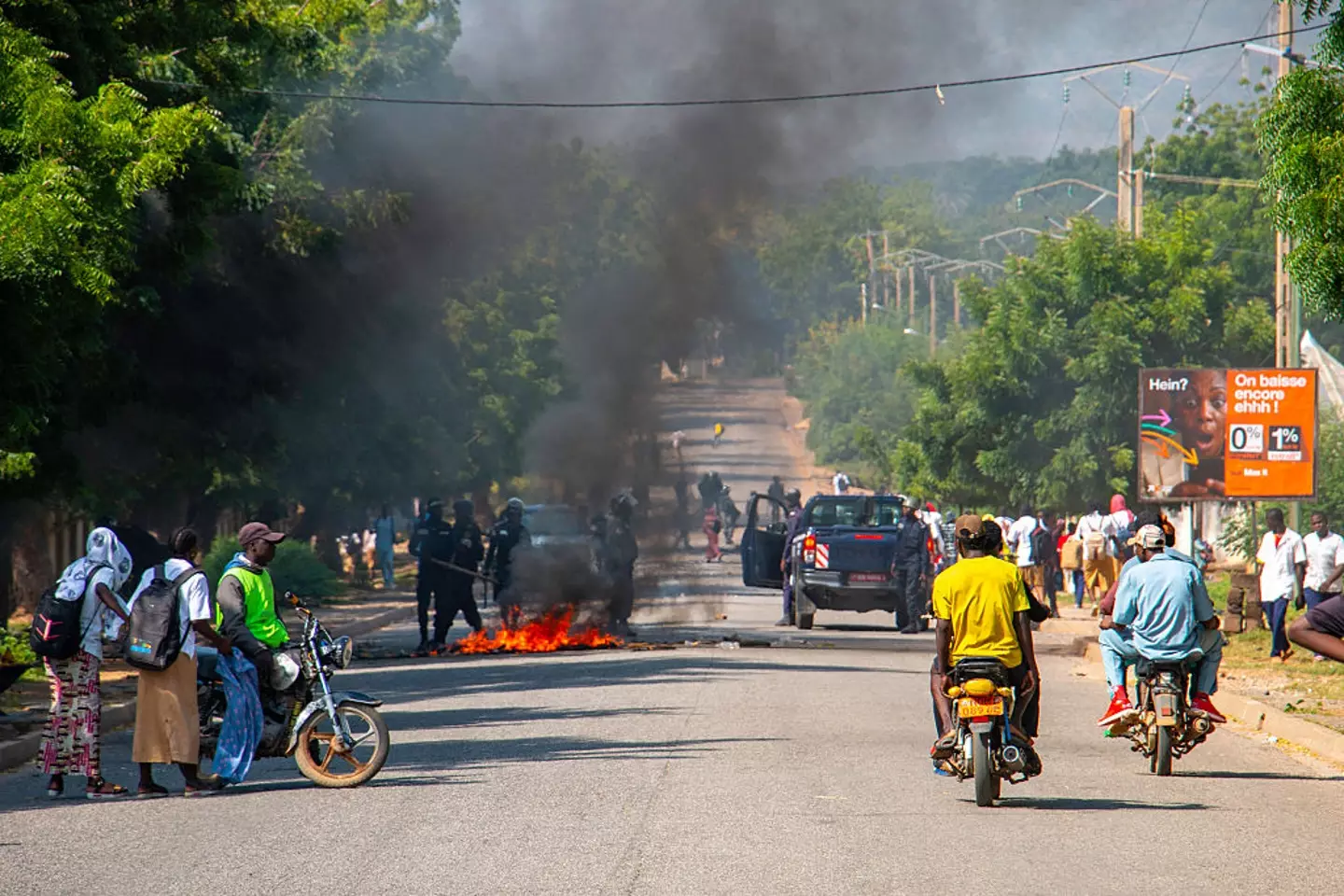
The election results sparked immediate protests across Cameroon. Citizens in various cities, including Douala, Garoua, and Maroua, took to the streets to demand transparency and fairness in the electoral process. Violence broke out, leading to the deaths of at least four people, including a teacher who was reportedly hit by stray bullets. Over 100 people were arrested, and many protesters clashed with police.
Allegations of Fraud and Rejection of Results
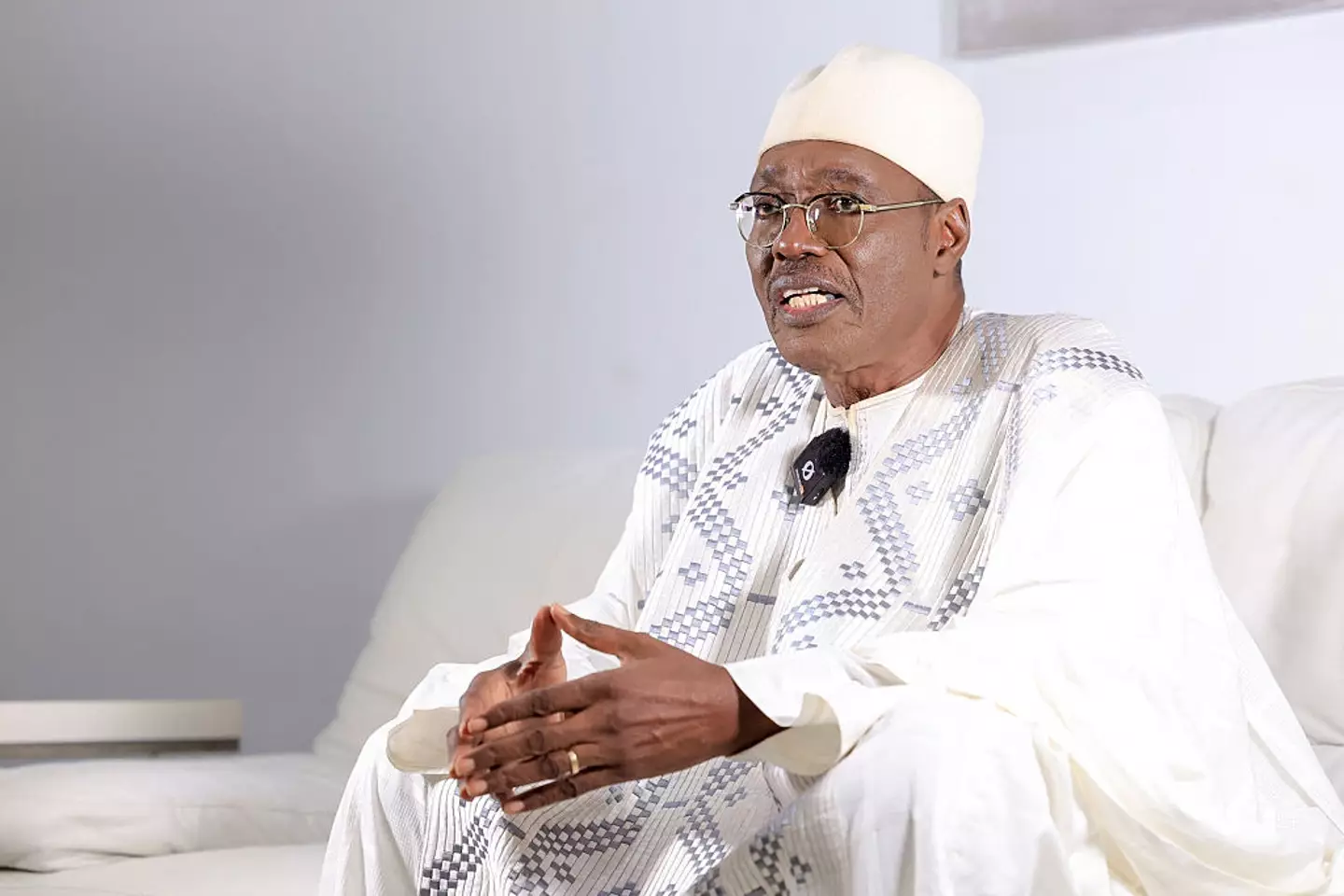
Bakary and his supporters have strongly accused the government of electoral fraud. Bakary, who declared himself the rightful winner, claimed that he received 54.8% of the vote, while Biya only had 31.3%. He called for the dismissal of the election results, saying that the Constitutional Council would be complicit in a breach of trust if it upheld Biya’s victory.
In response, Biya’s party dismissed Bakary’s allegations as false, labeling his claims a “grotesque hoax.”
Concerns Over Biya’s Health and Ability to Lead
Biya’s health has been a growing concern in recent years, with many questioning his ability to govern effectively. He has spent a significant amount of time in Europe, and much of his work has been carried out by party officials and family members. Despite this, Biya insisted that he could not step down, emphasizing that the challenges facing Cameroon were too great for him to abandon his mission.
In a televised address, Minister of Territorial Administration Paul Atanga Nji announced that protesters would face trial in military courts on charges of rebellion and insurrection.
What’s Next for Cameroon?
As Cameroon faces ongoing political and social unrest, it remains unclear how Biya’s continued rule will impact the country’s future. With a nation divided over the legitimacy of his election, Cameroonians continue to grapple with the consequences of the election and the future of their political system.