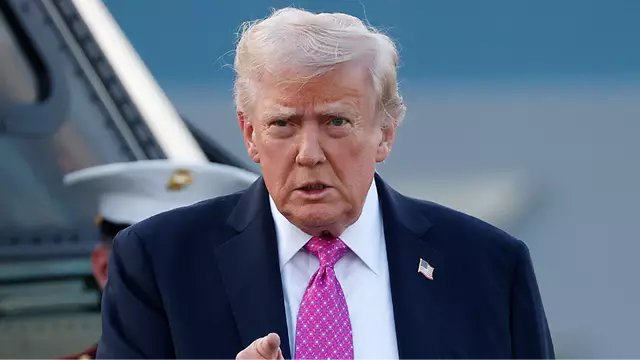
Former President Donald Trump has once again warned pregnant women about the risks of taking Tylenol (acetaminophen), linking it to autism despite no scientific evidence supporting the claim. Health experts have strongly refuted these allegations.
Former President Donald Trump has issued another major warning to pregnant women, advising them to avoid taking Tylenol (acetaminophen) during pregnancy unless absolutely necessary. This comes after he made bold claims last month that the everyday drug could be linked to a rise in autism rates, a theory that has been widely debunked by health experts.
Trump’s Controversial Claims
In a recent post on Truth Social (October 26), Trump reiterated his concerns, telling followers, “Pregnant women, DON’T USE TYLENOL UNLESS ABSOLUTELY NECESSARY” and advised parents not to give Tylenol to their children “for virtually any reason.” He also added a recommendation for parents to split vaccinations, including the MMR (mumps, measles, rubella) shot, into separate doses, and to delay other vaccinations until later in childhood.
Tylenol’s Parent Company Denies Claims
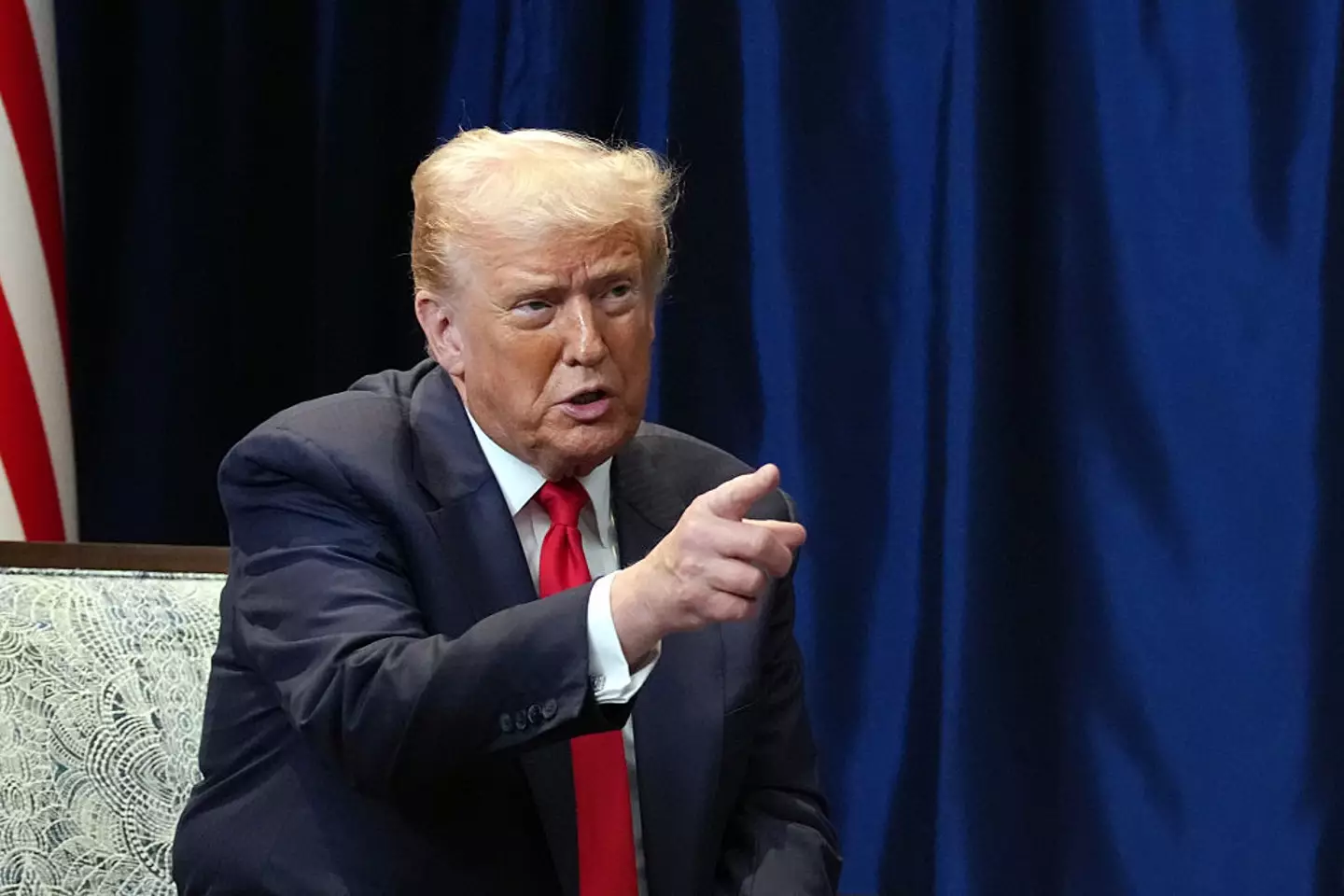
Trump’s comments follow a previous claim he made with Health Secretary Robert F. Kennedy Jr. about a potential connection between acetaminophen use and neurodivergent conditions like autism and ADHD. However, the parent company of Tylenol, Kenvue, has denied these claims, stating that “sound science clearly shows” that acetaminophen does not cause autism. Kenvue emphasized the potential harm of such misinformation, particularly to expecting mothers, warning that it could cause confusion and unnecessary anxiety.
A statement from Kenvue reads: “We believe independent, sound science clearly shows that taking acetaminophen does not cause autism. We strongly disagree with allegations that it does and are deeply concerned about the health risks and confusion this poses for expecting mothers and parents.”
Medical Experts Disagree with Trump’s Warning
The World Health Organization (WHO) and other medical experts have strongly refuted Trump’s assertions about acetaminophen. Steven J. Fleischman, president of the American College of Obstetricians and Gynecologists (ACOG), expressed concerns over the harmful and confusing messages Trump’s claims could send to pregnant patients. He called the suggestion “highly concerning” and “irresponsible,” particularly given the lack of scientific evidence linking acetaminophen to autism.
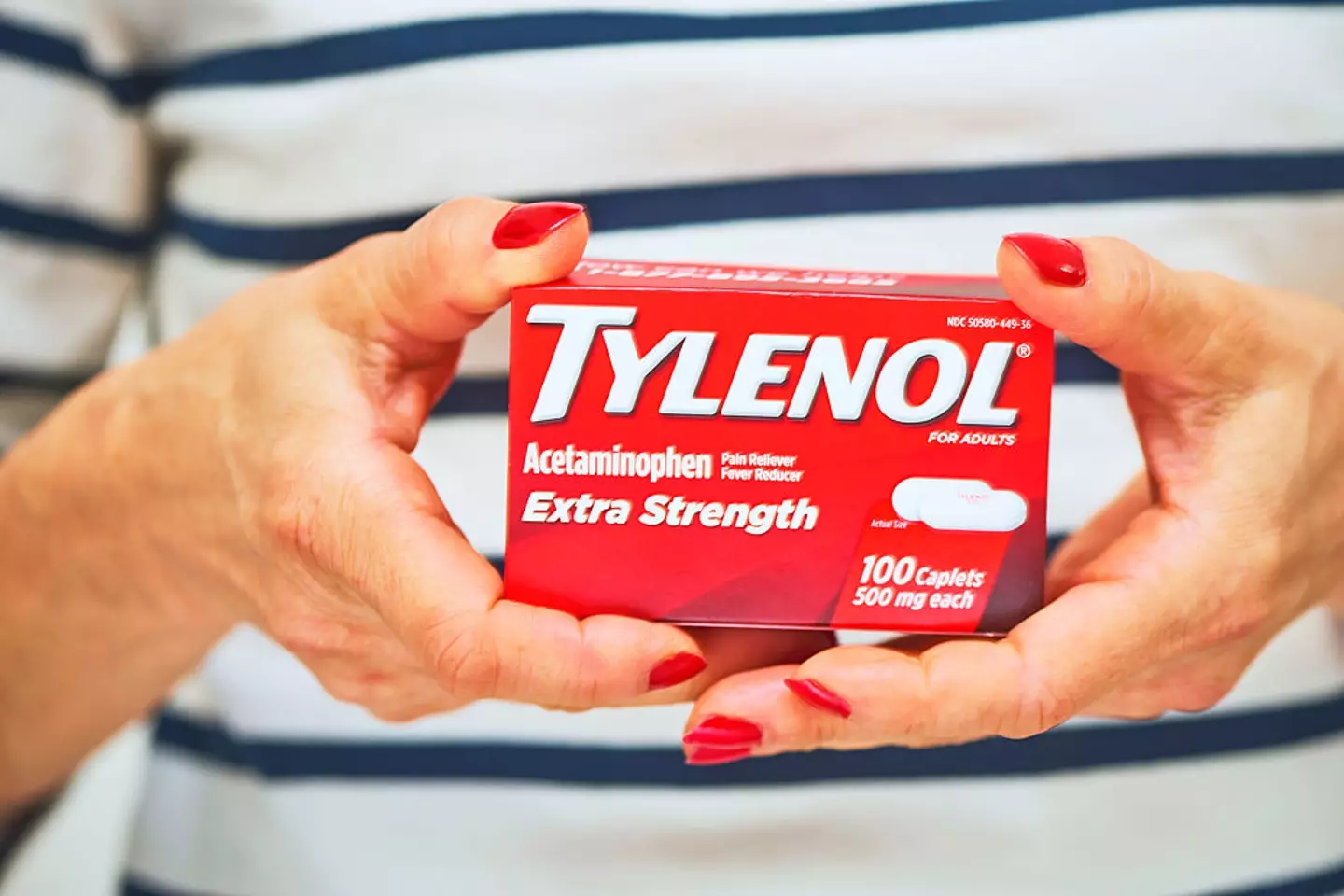
Trump’s warning has also raised alarms among healthcare providers, with many stressing that the risks of not using medications like acetaminophen during pregnancy could outweigh the unproven dangers presented by the drug.
Vaccination Concerns and the MMR Vaccine Debate
In addition to his warnings about Tylenol, Trump also revisited his controversial stance on vaccinations. He has previously suggested that the MMR vaccine, which combines protection against mumps, measles, and rubella, should be given in separate doses instead of as a combined shot. This claim echoes the discredited paper by Andrew Wakefield in 1998, which falsely linked the MMR vaccine to autism. Wakefield’s study was retracted, and subsequent research has found no evidence of any connection between vaccines and autism.
The Ongoing Debate on Acetaminophen
While no scientific consensus supports a link between Tylenol and autism, the ongoing debate about the safety of acetaminophen during pregnancy continues to gain attention. Researchers and health experts urge caution when discussing unproven medical claims, especially those that can create panic or harm public health initiatives.