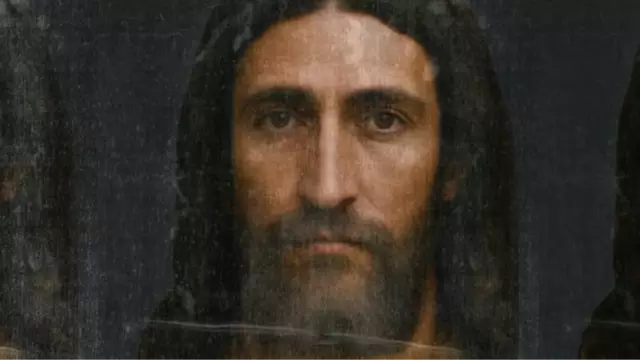
A new study by Otangelo Grasso claims to have used AI to uncover vital details about the Shroud of Turin, supporting a well-known theory about Jesus’ suffering. The study suggests the type of crown of thorns Jesus wore during his crucifixion.
A new study on the Shroud of Turin, the famous cloth believed by many to be the burial shroud of Jesus Christ, has sparked a fresh wave of debate and intrigue. The study, conducted by Otangelo Grasso, a Young Earth Creationist and Intelligent Design proponent, suggests that key details about Jesus’ suffering, particularly the crown of thorns, can be confirmed through AI analysis of the shroud’s image.
The Shroud of Turin: What is it?
The Shroud of Turin is a length of cloth that bears an image resembling a Christ-like figure. Many Christians believe it is the actual cloth in which Jesus was wrapped after his crucifixion. However, the shroud has a controversial history, with questions about its authenticity dating back centuries.
The earliest known records of the Shroud of Turin appear in 1354, when it was owned by a knight named Geoffroi de Charnay. Despite being an object of devotion, the shroud’s authenticity has been debated, particularly after carbon dating in 1988 suggested it was created between 1260 and 1390—centuries after the time of Christ. However, more recent studies in 2022 indicated the possibility of older origins for the fabric, dating it to around 55–74 AD.
Grasso’s Groundbreaking Research
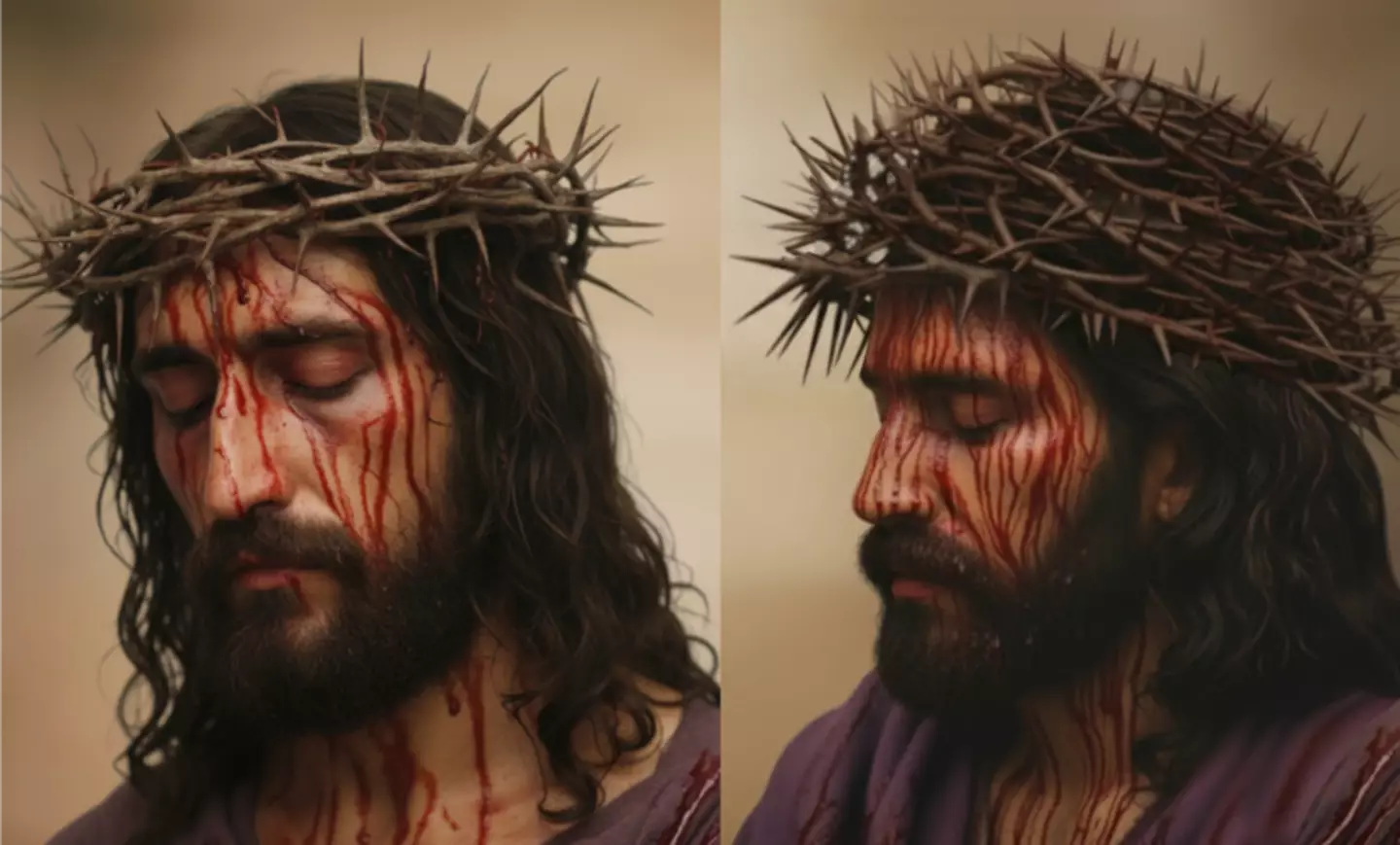
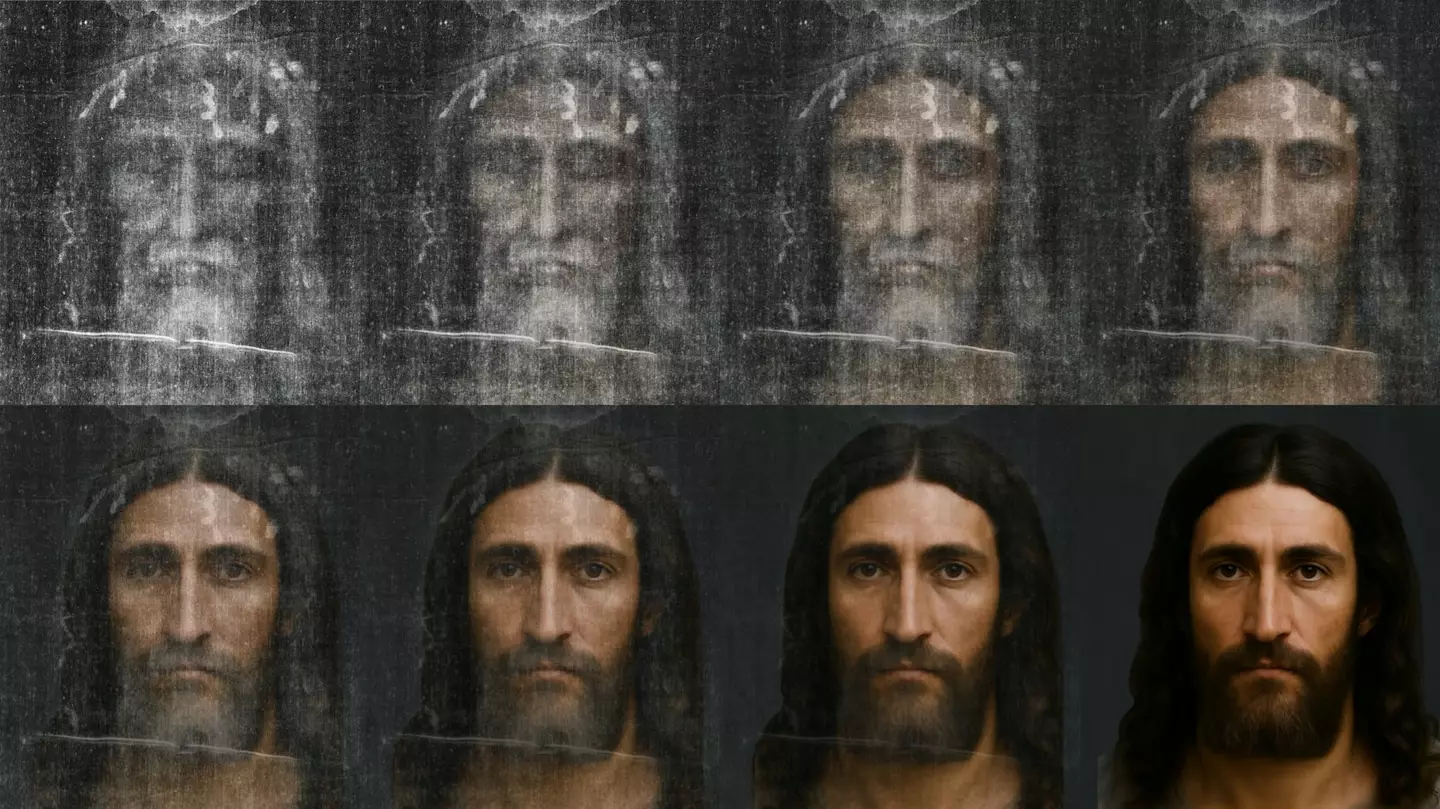
In his study, Grasso uses AI technology to project the image outline on the Shroud, focusing on the wound and blood patterns to gain insight into Jesus’ crown of thorns. Grasso speculates that the crown was likely a circlet rather than a cap, which would fit the pattern of injuries observed on the shroud.
Grasso notes that the blood stains on the forehead, temples, and the general positioning of the thorns align with the idea of a circlet—a shallow, wreath-like crown. He further suggests that the thorns used to make the crown may have created unique puncture patterns, which can still be traced in the shroud’s image today.
What the AI Analysis Reveals
Grasso’s AI analysis delves into how the crown of thorns could have been shaped and how the wounds were inflicted. He claims that the crown would have sat low on the head, pressing on the temples and forehead, and that inward-angled thorns created vertical rivulets in the skin. Grasso concludes that the circlet design is more likely than a full helmet-like crown, based on the injury patterns observed.
“The absence of larger scalp wounds pushes the solution toward a low-seated circlet or shallow capiform wreath,” Grasso writes, explaining that the crown’s design would have caused less trauma than a full, more rigid crown.
A History of Dispute and Doubt
While many still believe in the Shroud’s authenticity, the object has long been controversial. In 1389, when the shroud was displayed publicly, the Bishop of Troye dismissed it as a forgery. The papacy remained cautious, only permitting the shroud to be used for devotion, but not officially confirming its authenticity.
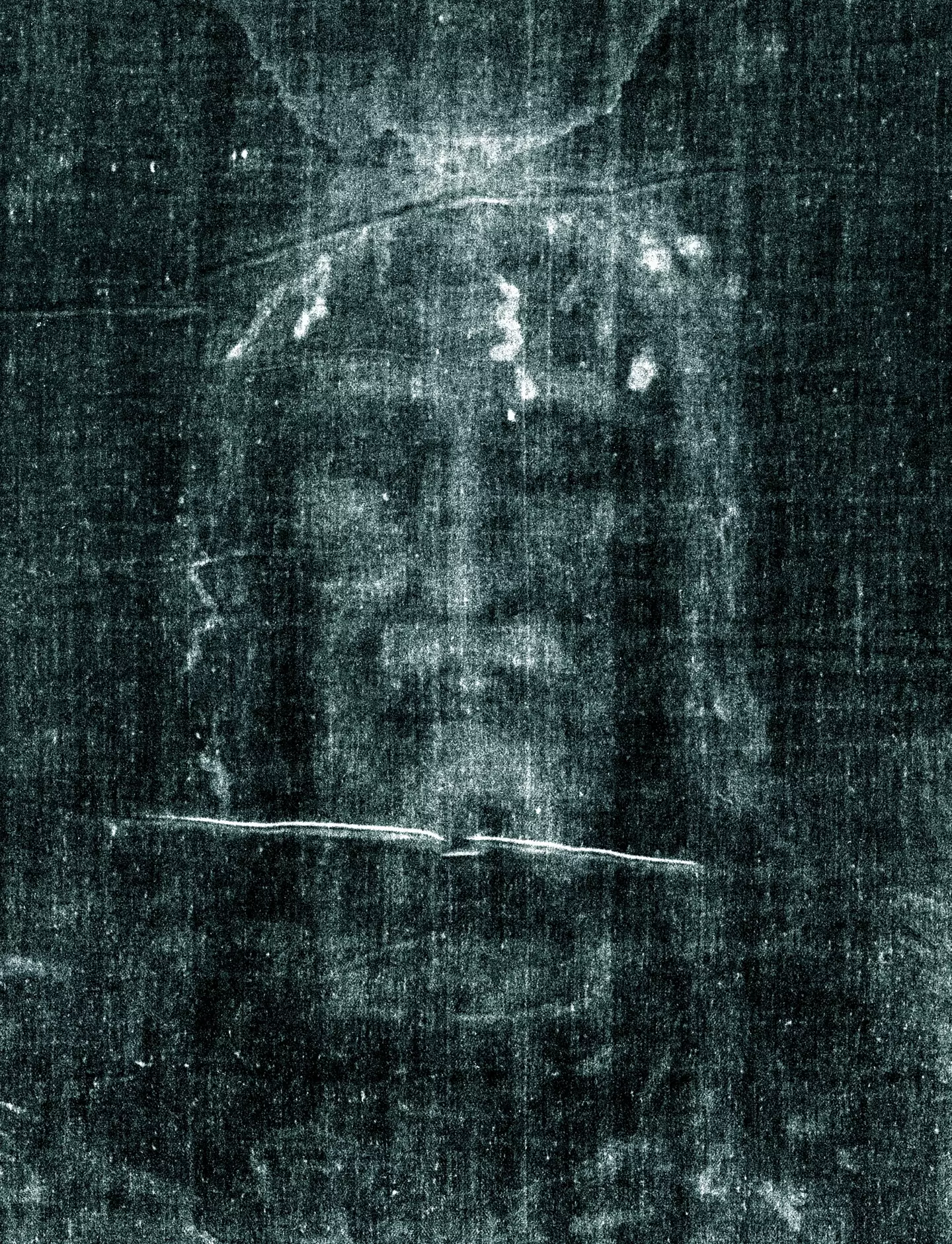
In 1988, carbon dating by three laboratories suggested the shroud was a medieval creation, rather than a relic from Jesus’ time. However, as new techniques are employed, such as X-ray scattering, some researchers believe the fabric’s age could be closer to the time of Christ, though more studies are needed to draw definitive conclusions.
The Ongoing Mystery of the Shroud
Despite the Shroud of Turin’s troubled history, its significance continues to captivate the public and scholars alike. Grasso’s new study, using AI to explore intricate details of the image, offers fresh evidence that may support long-held theories about Jesus’ suffering during his crucifixion. While definitive proof is still lacking, Grasso’s work adds another layer to the ongoing mystery surrounding one of Christianity’s most famous relics.