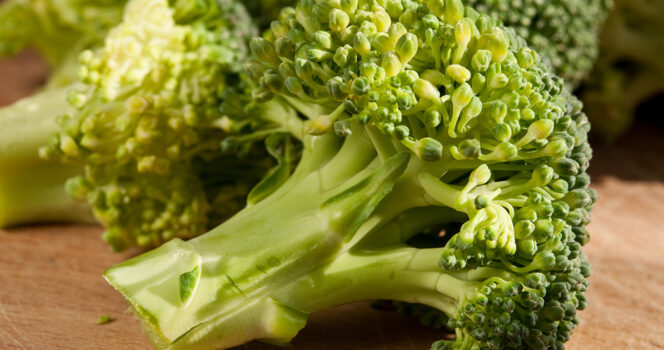
“Tragic botulism outbreak in Italy claims another life after contaminated broccoli in sandwiches sickens 17. Health authorities issue warnings and recall the product linked to the deadly illness.”
Italy is on high alert after a second person died from botulism linked to contaminated broccoli, following an outbreak tied to sandwiches sold at a food truck in southwest Italy.
Tamara D’Acunto, 45, tragically passed away shortly after eating a panini purchased from the food truck. She began feeling unwell just hours after consuming the sandwich and was rushed to the hospital, where she could not be saved. Her death comes only days after the sudden death of artist and musician Luigi Di Sarno, 52, who collapsed after eating a similar broccoli and sausage sandwich along the Diamante seafront in the province of Cosenza.
In addition to the two fatalities, eight others, including Di Sarno’s family members, were hospitalized, bringing the total number of those affected to 10. Authorities have linked the outbreak to toxins produced by Clostridium botulinum bacteria, which causes botulism, a rare but potentially fatal illness.
Nationwide Recall and Emergency Response
As a precautionary measure, Italian authorities have recalled all broccoli nationwide and seized the food truck responsible for preparing the contaminated sandwiches. The Paola Public Prosecutor’s Office has ordered the immediate seizure of the tainted products, while the Calabria Region’s Department of Health and Welfare has activated emergency protocols to mitigate further risk.
In a statement, the department explained that Italy’s botulism antitoxin is distributed through the Ministry of Health, which activated an emergency response to deliver supplies from the Lombardy Poison Control Centre. The first vials were flown from the Military Pharmacy in Taranto, and additional supplies were delivered by air ambulance from Rome to hospitals treating the patients.
What is Botulism?
Botulism cases are rare, with fewer than 1,000 cases reported worldwide each year, but the illness can be deadly if not treated promptly. The botulinum toxin can cause muscle paralysis, respiratory failure, and even death. Symptoms typically appear within 12 to 72 hours of exposure and may include blurred vision, slurred speech, muscle weakness, and fatigue.

Health experts emphasize that botulinum toxin cannot be seen, smelled, or tasted, making it particularly dangerous. Even tiny amounts can be lethal, which is why health officials are urging extreme caution when handling food that could potentially be contaminated.
Safety Tips to Reduce Your Risk of Botulism
Health authorities have issued the following guidelines to help people reduce their risk of botulism:
Be cautious with low-acid foods: Homemade oils infused with herbs or vegetables should be refrigerated and consumed within four days, as per the CDC.
Avoid damaged canned goods: Do not consume food from bulging, dented, or leaking containers.
Use proper pressure canning: Ensure only a pressure canner is used for low-acid foods like vegetables and meats to reach the temperatures required to destroy C. botulinum spores.
Acidify tomatoes: When preserving tomatoes, add bottled lemon juice or citric acid to maintain a pH of 4.6 or lower.
Heat food thoroughly: Cooking food at temperatures above 85°C for at least five minutes can destroy the botulinum toxin.
Refrigerate promptly: Keep perishable foods chilled at 4°C or below and never leave them out for more than two hours (or one hour in hot weather).
The Importance of Food Safety
Health officials stress that the botulinum toxin is invisible and odorless, and even small amounts can be fatal. Their primary advice: When in doubt, throw it out.
As Italy grapples with the aftermath of this tragic outbreak, the community is left to reflect on the devastating consequences of a food safety issue that could have been avoided. The deaths of Tamara D’Acunto and Luigi Di Sarno, along with the hospitalizations of others, serve as a somber reminder of the risks that contamination can pose.
Social Media Caption for Facebook: