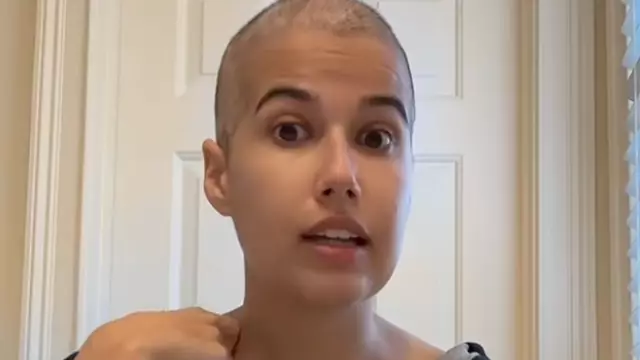
Anabel Brenner Schleicher shares how a persistent yet subtle symptom led to her rare blood cancer diagnosis after months of misdiagnosis and dismissal from doctors.
Anabel Brenner Schleicher, a 26-year-old medical student, has shared the emotional journey she went through to receive a diagnosis for a rare and aggressive form of blood cancer, T-cell acute lymphoblastic leukaemia (T-cell ALL). What started as a seemingly minor health concern quickly evolved into a life-altering diagnosis.
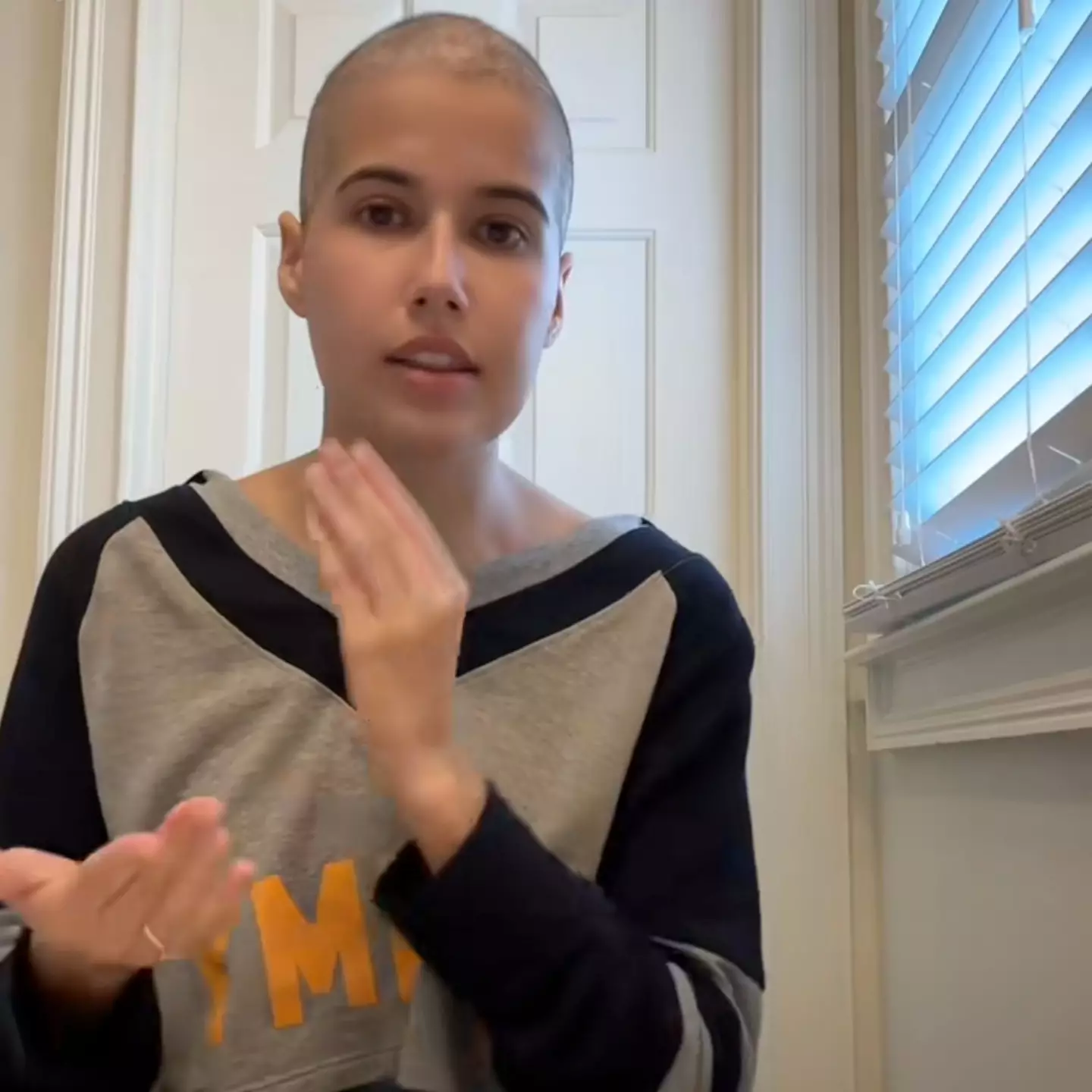
It all began in March 2025, when Schleicher noticed a swollen lymph node on her neck. At first, she thought it was a minor issue, perhaps a result of being sick. But when the swollen gland didn’t subside after two weeks, she consulted with her primary care physician. “I had no other symptoms at the time other than the lymph node,” Schleicher explained in an interview with People.
Her doctor initially dismissed the issue, suggesting that her lymph nodes might simply be responding to an infection. Despite the reassurance, the swelling persisted, and more lymph nodes began to appear along her neck. After a routine lab workup came back normal, she was referred to an ear, nose, and throat specialist, who didn’t seem concerned but ordered an ultrasound and biopsy as a precaution.
@a_brenn98 Replying to @Ahana 💕 How I got diagnosed 🙂 As for symptoms I was essentially asymptomatic except for the lymph nodes and then later the bruising. After the bruising started I began to feel very tired because I also started to become anemic but at this point I was already diagnosed. #fyp #foryou #leukemia #cancer #nurse #nursing #oncology
♬ original sound – Peaceful Melody World – Peaceful Melody World
As the weeks went on, her symptoms worsened—more lymph nodes popped up, now under her clavicle and in her underarms. The frustration grew as each visit seemed to lead to dead ends, until the situation took a more concerning turn. Schleicher noticed bruising on her legs, which she explained in a TikTok video (@a_brenn98) was unusual for her, as she “doesn’t bruise easily.” This prompted further testing, including a core biopsy and bloodwork.
It was then that she was referred to a haematologist/oncologist, who eventually diagnosed her with T-cell acute lymphoblastic leukaemia (T-cell ALL). The diagnosis was a devastating blow for Schleicher, who had spent months feeling unheard and uncertain. “I had no idea,” she said. “I just wanted to get answers.”
On July 31, 2025, after receiving her diagnosis, Schleicher decided to move up her wedding day to the day before she was to begin her aggressive chemotherapy treatment. “I just wanted to wear my dress, have my hair done, and feel like me,” she recalled.
.jpg)
As of October 2025, Schleicher is in the consolidation phase of chemotherapy, which aims to eliminate any cancer cells that remain undetected. This phase is followed by an interim maintenance phase, delayed intensification, and then long-term maintenance therapy, which lasts up to two years.
Schleicher’s diagnosis sheds light on the subtle symptoms of T-cell ALL, which can often go unnoticed or be mistaken for common ailments. According to the Cleveland Clinic, other than swollen lymph nodes, patients may experience heavy night sweats, persistent fatigue, unexplained fever, weight loss, and pain in the belly, chest, or bones. It is advised that anyone experiencing unusual or persistent symptoms consult a healthcare provider promptly.
While Schleicher’s journey to a diagnosis was long and frustrating, she continues to stay hopeful, sharing her story to help others recognize the signs of T-cell ALL earlier. “Once I reach maintenance, life should be more back to normal,” she said.