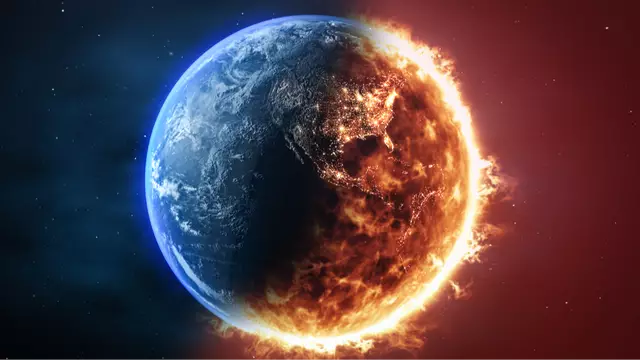
Scientists warn of irreversible climate disasters as Earth hits a critical tipping point. Coral reefs are dying, and other ecosystems are on the brink of collapse. Learn more about the devastating consequences for our planet.
In a chilling new report, scientists are sounding the alarm on a potentially catastrophic future for humanity. A global team of over 160 researchers has revealed that Earth has passed a critical climate milestone, marking the first of several irreversible tipping points in the planet’s ecosystem.
Published just weeks ahead of the COP30 summit in Brazil, the report highlights the death of coral reefs as the first major tipping point caused by unprecedented ocean temperature increases. This alarming development signals the start of a chain reaction that could bring far-reaching and devastating consequences for both nature and human societies.
The Collapse of Coral Reefs: A Warning Sign for Our Future
Coral reefs, often referred to as the “rainforests of the sea,” support a diverse range of marine life and provide essential services to coastal communities around the world. However, recent data shows that the once vibrant reefs are now succumbing to extreme temperatures, bleaching, and disease.
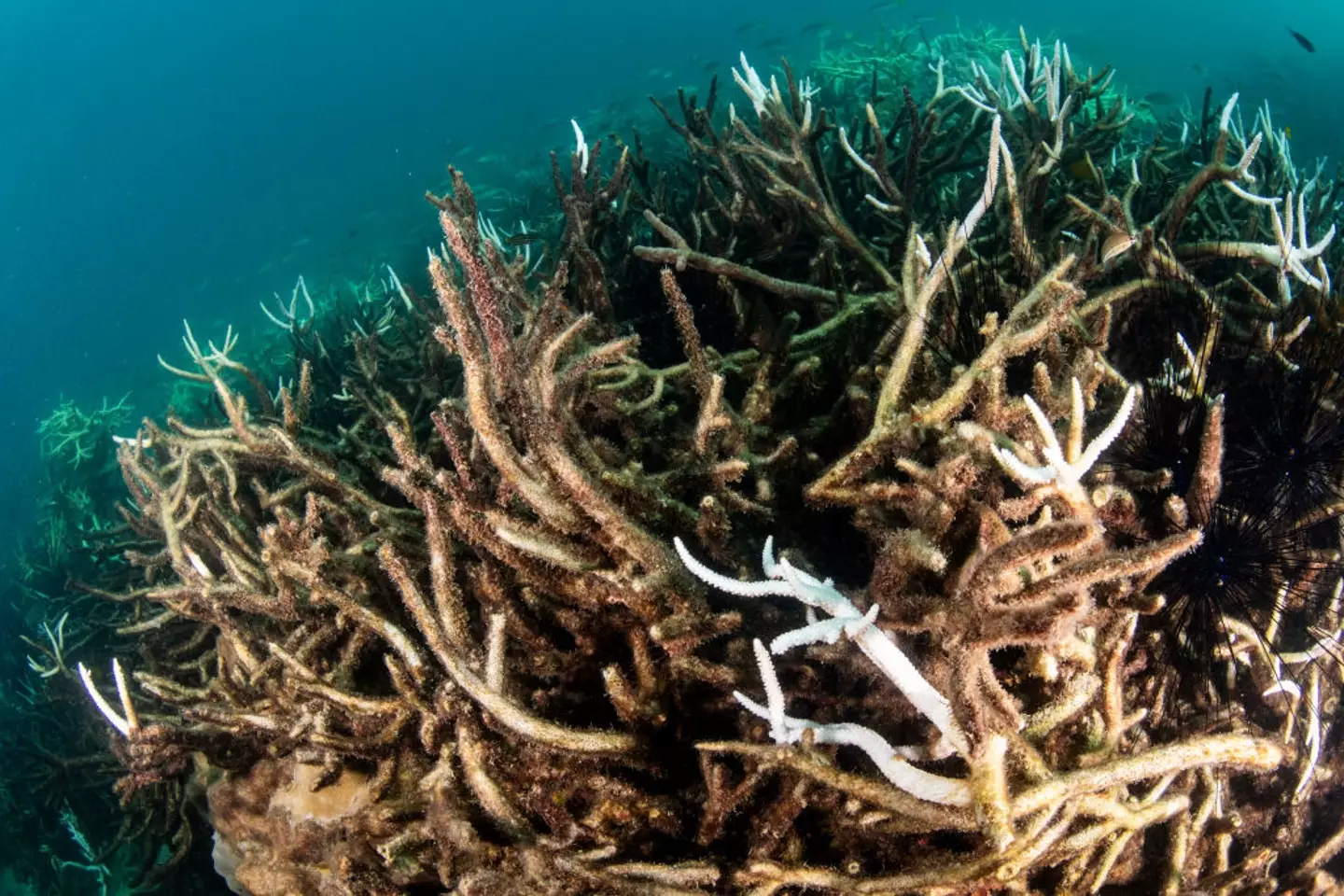
Professor Tim Lenton from the University of Exeter, one of the lead authors of the report, stated: “We are rapidly approaching multiple Earth system tipping points that could transform our world, with devastating consequences for people and nature.” Since 2023, over 80% of coral reefs have been affected by the worst bleaching event ever recorded, and reefs in the Caribbean are teetering on the edge of collapse due to marine heatwaves and dwindling biodiversity.
“We have now pushed coral reefs beyond what they can cope with,” said Mike Barrett, chief scientific advisor at WWF UK. “Without a rapid reversal of global warming, extensive reefs as we know them will be lost.”
The loss of coral reefs would have a ripple effect, impacting the millions of people who depend on them for food, livelihood, and coastal protection. Furthermore, the collapse of reefs would cause global economic turmoil, as they contribute trillions of dollars to the global economy.
Other Tipping Points: A Wake-Up Call for Global Action
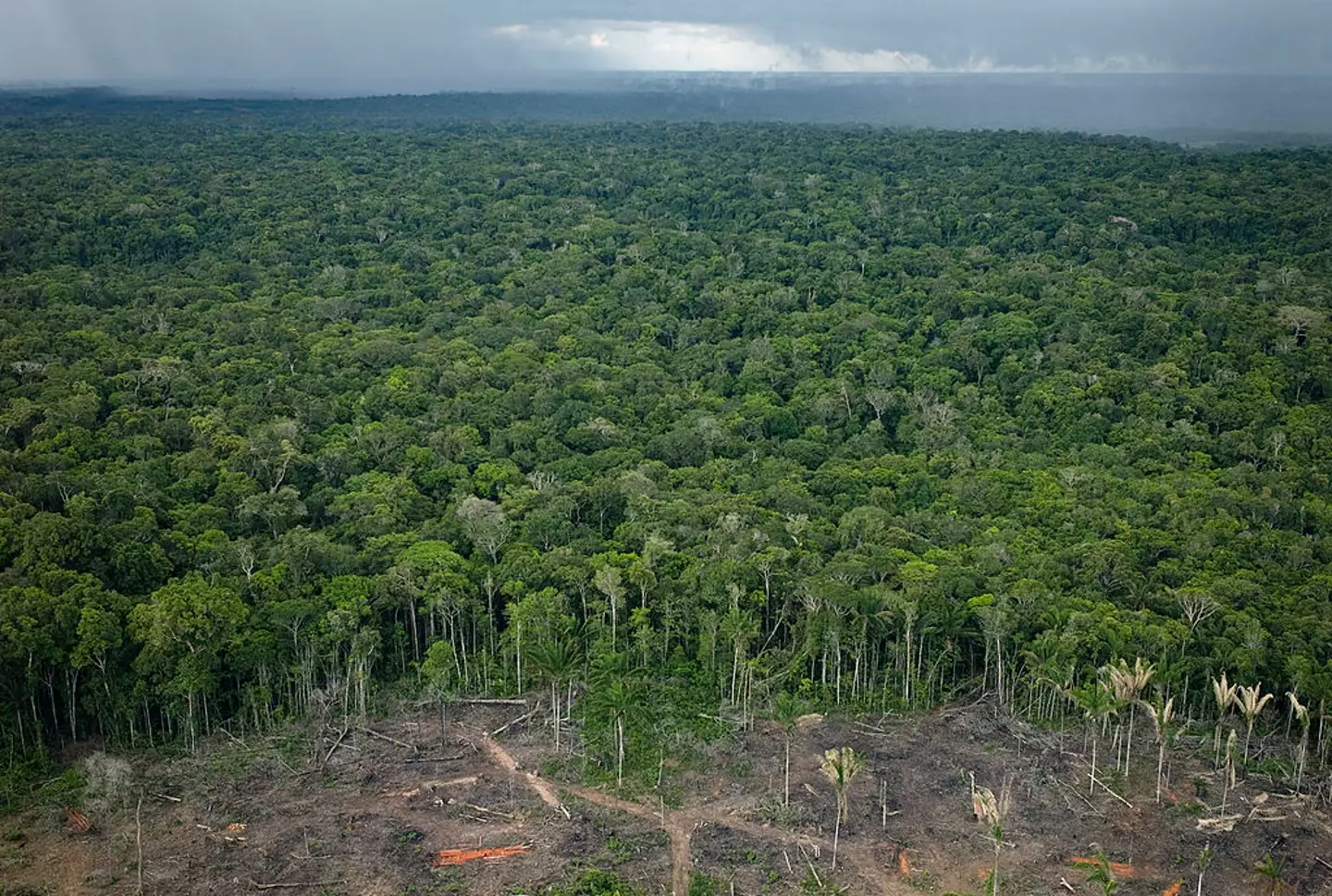
But coral reefs are just the beginning. The report warns of several other looming tipping points, including the collapse of the Amazon rainforest and the disintegration of polar ice sheets, both of which play crucial roles in regulating Earth’s climate.
The potential failure of the Atlantic Meridional Overturning Circulation (AMOC), an ocean current system that drives global weather patterns, is especially concerning. Its collapse could cause extreme temperature fluctuations, disrupt monsoon cycles, and lead to unpredictable weather events worldwide. “There is now a risk that collapse could occur within the lifetime of people born and living on the planet today,” warned Barrett.
Despite the grim outlook, there are signs of hope. Innovations in solar power, electric vehicles, and battery technology are advancing rapidly, providing a foundation for a cleaner, more sustainable future. But experts agree that urgent action is needed.
Dr. Manjana Milkoreit of the University of Oslo cautioned, “Current climate policies were designed for gradual changes, not for these kinds of abrupt, irreversible shifts.”
Hope on the Horizon: Can We Still Save the Coral Reefs?
While the future of coral reefs looks uncertain, some experts are optimistic about their potential for recovery. Dr. Tracy Ainsworth, vice-president of the International Coral Reef Society, highlighted the ongoing research into how ecosystems are reorganizing, with a focus on ensuring they continue to support marine life. Additionally, the Australian Institute of Marine Science emphasized the importance of interpreting global climate data carefully, noting that regional variability could offer different opportunities for action.
Yet, Mike Barrett stresses that immediate measures must be taken. “If we don’t act now, we would be looking at a truly catastrophic outcome for all humanity,” he warned.
The Time to Act Is Now
The scientific community is united in its call for urgent action to mitigate climate change and prevent irreversible damage to our planet’s ecosystems. While there is still time to reverse some of the damage, the window of opportunity is rapidly closing.
Governments, industries, and individuals all have a role to play in reducing carbon emissions and transitioning to sustainable practices. The future of our planet depends on the decisions we make today.