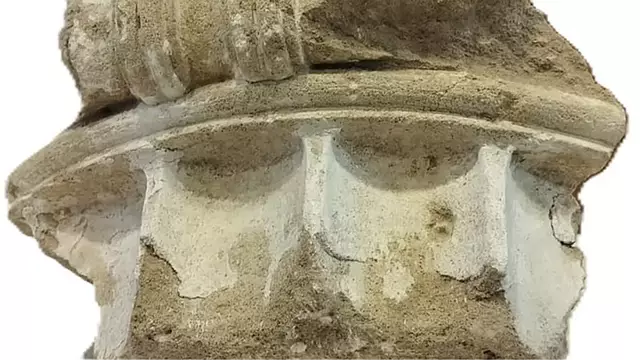
A tourist returns a 2,400-year-old ancient Greek artefact stolen in the 1960s after keeping it for five decades. The artefact, a column capital, was returned to Greece with the help of the University of Münster.
A tourist who stole an ancient Greek artefact almost 50 years ago has finally returned the piece of history to Greece. The artefact, a 2,400-year-old Ionic column capital, was taken during a visit to Ancient Olympia in the 1960s.
The woman, whose identity remains unknown, stole the piece from the Leonidaion, a guesthouse in Olympia, during a trip to the site. The item was kept in her possession for decades, but recently, the woman made the decision to return it.
The 9-inch high, 13-inch wide limestone capital was handed over to the University of Münster in Germany. The university then helped organize the artefact’s return to Greece, where it was officially presented during a ceremony at the Ancient Olympia Conference Center on October 10, 2025.
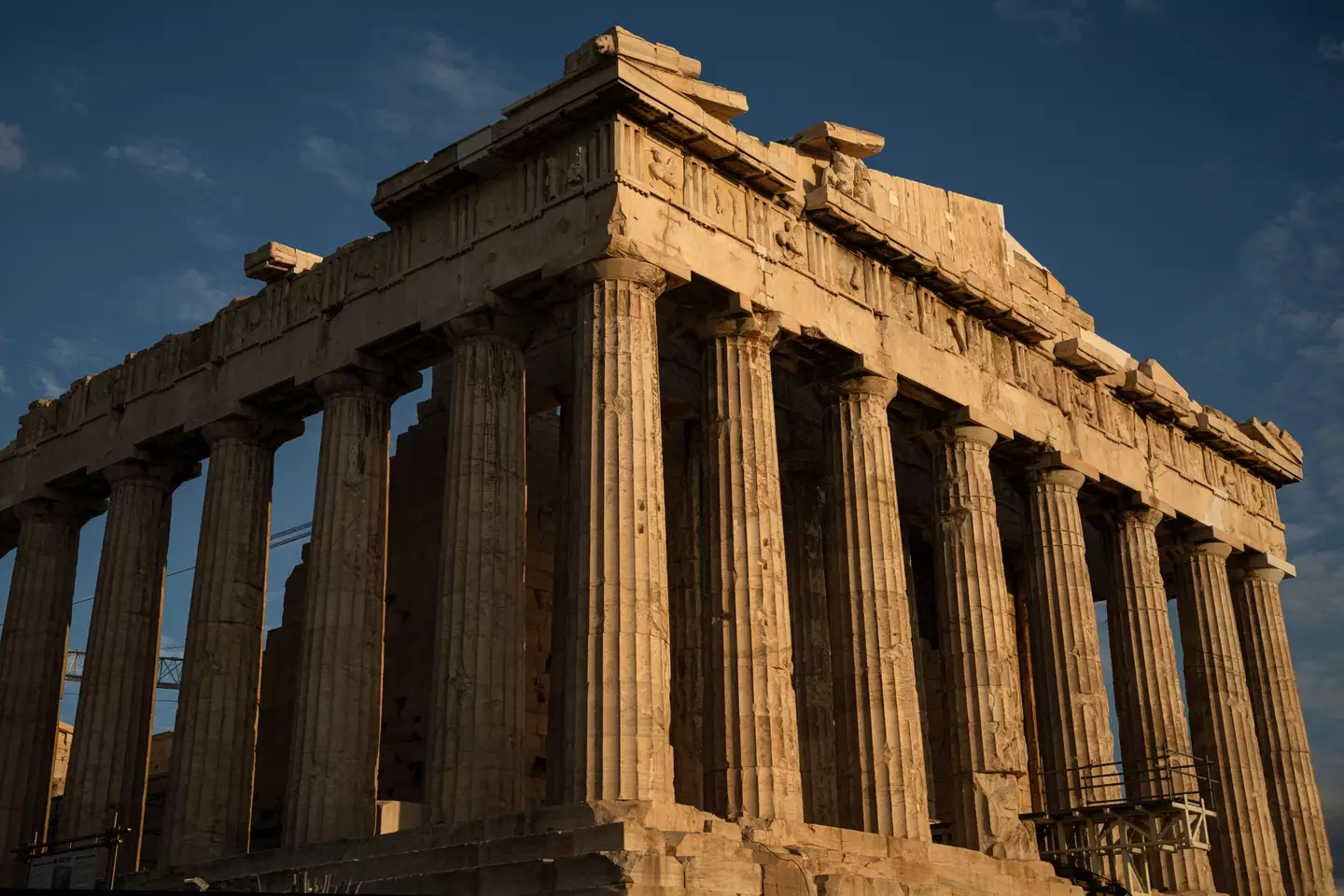
Greek officials expressed their relief and gratitude for the return of the artefact. In a statement, they praised the woman for her “sensitivity and courage,” noting that the return was inspired by recent repatriations of looted antiquities from the University of Münster.
The Importance of the Leonidaion
The Leonidaion, where the artefact was stolen from, is a significant site in Greek history. Located in the southwestern part of the Olympia sanctuary, it was built in the late 4th century BC and was used to house important visitors. Its distinctive Ionic arcades are a notable feature of the building.
The repatriation of this artefact is especially meaningful for Greece, as it is another step in the country’s ongoing efforts to reclaim its stolen cultural heritage. Culture Secretary General Georgios Didaskalo has spoken about the importance of such returns, saying that each act of repatriation helps bridge gaps between nations and cultures.
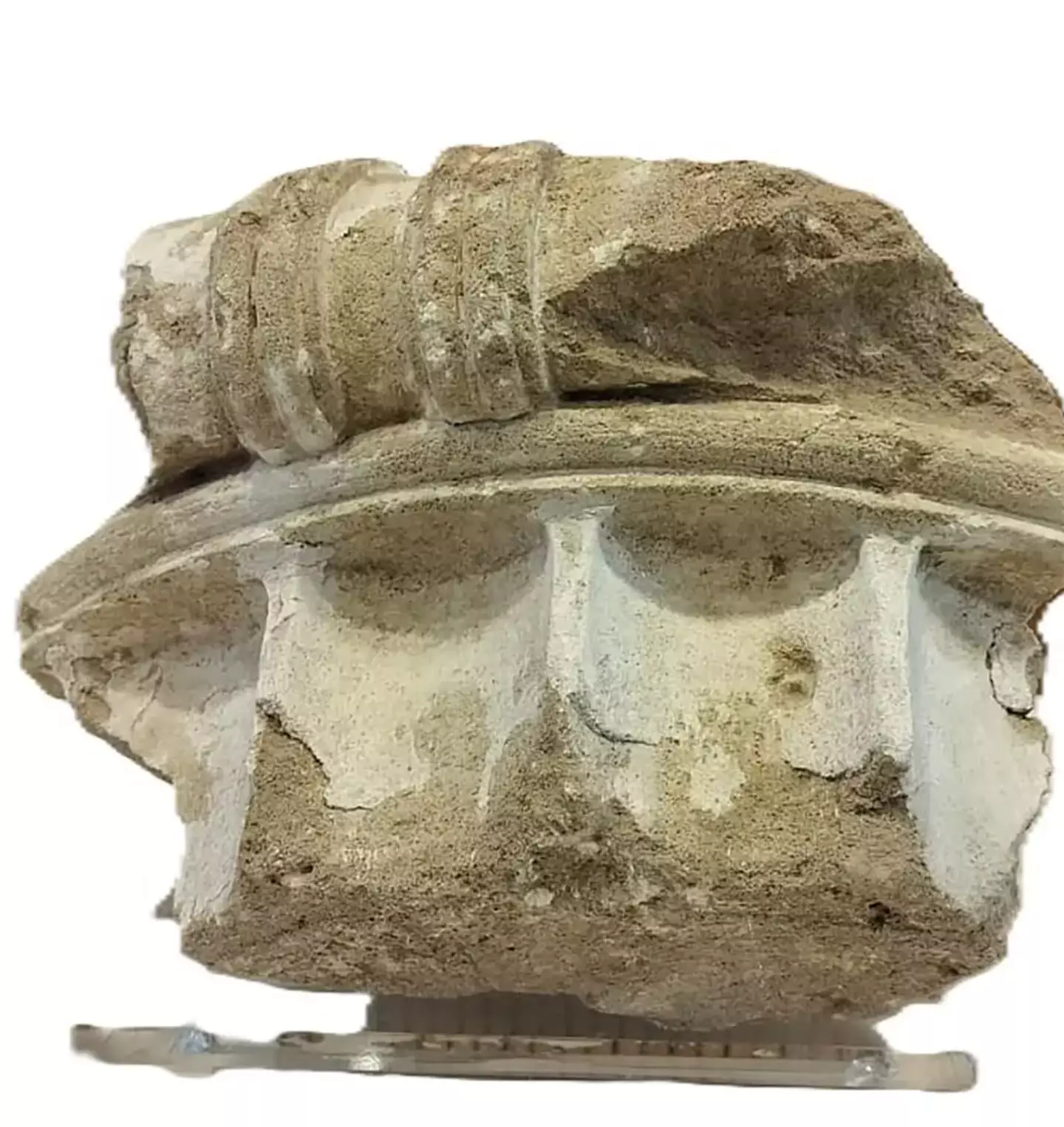
Didaskalo also emphasized that the return of looted antiquities is not just about reclaiming objects but restoring justice and fostering international cooperation.
Why Did the Woman Return the Artefact?
The woman’s decision to return the artefact was influenced by the recent efforts of the University of Münster to return looted antiquities to their rightful owners. This prompted the woman to do the right thing and hand over the stolen artefact to the university.
Conclusion
The return of the Ionic column capital to Greece marks another victory for the country in its ongoing fight to reclaim its stolen treasures. While the artefact was absent for many years, its repatriation is a reminder of the importance of preserving and respecting cultural history for future generations.