Grammy-winning musician D’Angelo has passed away at age 51 after a battle with pancreatic cancer. Learn about the symptoms of this ‘silent killer’ and how to spot them early.
D’Angelo, one of the most influential artists of the neo-soul movement, has passed away at the age of 51 after a courageous battle with pancreatic cancer. His family confirmed the heartbreaking news on October 14, 2025.
Known for blending soul, funk, jazz, and R&B, D’Angelo rose to fame with his debut album Brown Sugar in 1995, which went platinum. His second album, Voodoo (2000), brought him even greater fame, especially with the hit single “Untitled (How Does It Feel).” D’Angelo’s collaborations with artists like Lauryn Hill, Erykah Badu, and Angie Stone cemented his place in music history.
In a statement to Variety, D’Angelo’s family expressed their deep sorrow:
“The shining star of our family has dimmed his light for us in this life. After a prolonged and courageous battle with cancer, we are heartbroken to announce that Michael D’Angelo Archer, known to his fans around the world as D’Angelo, has been called home.”
They continued, “We are saddened that he can only leave dear memories with his family, but we are eternally grateful for the extraordinary music he leaves behind.”

D’Angelo’s passing has sparked an outpouring of grief and celebration of his incredible musical legacy. His family also asked for privacy during this difficult time, inviting fans to mourn his loss while celebrating the gift of song he has given to the world.
What is Pancreatic Cancer?
Pancreatic cancer, a major cause of cancer-related deaths, occurs when cells in the pancreas begin to grow uncontrollably. The pancreas is an organ that helps with digestion and blood sugar regulation, located behind the stomach and in front of the spine.
The most common form of pancreatic cancer is pancreatic ductal adenocarcinoma, which starts in the pancreatic ducts that carry digestive enzymes. Unfortunately, this form of cancer is often not diagnosed until it has spread to other areas, which is why it is frequently referred to as “the silent killer.”
10 Symptoms of Pancreatic Cancer You Should Know
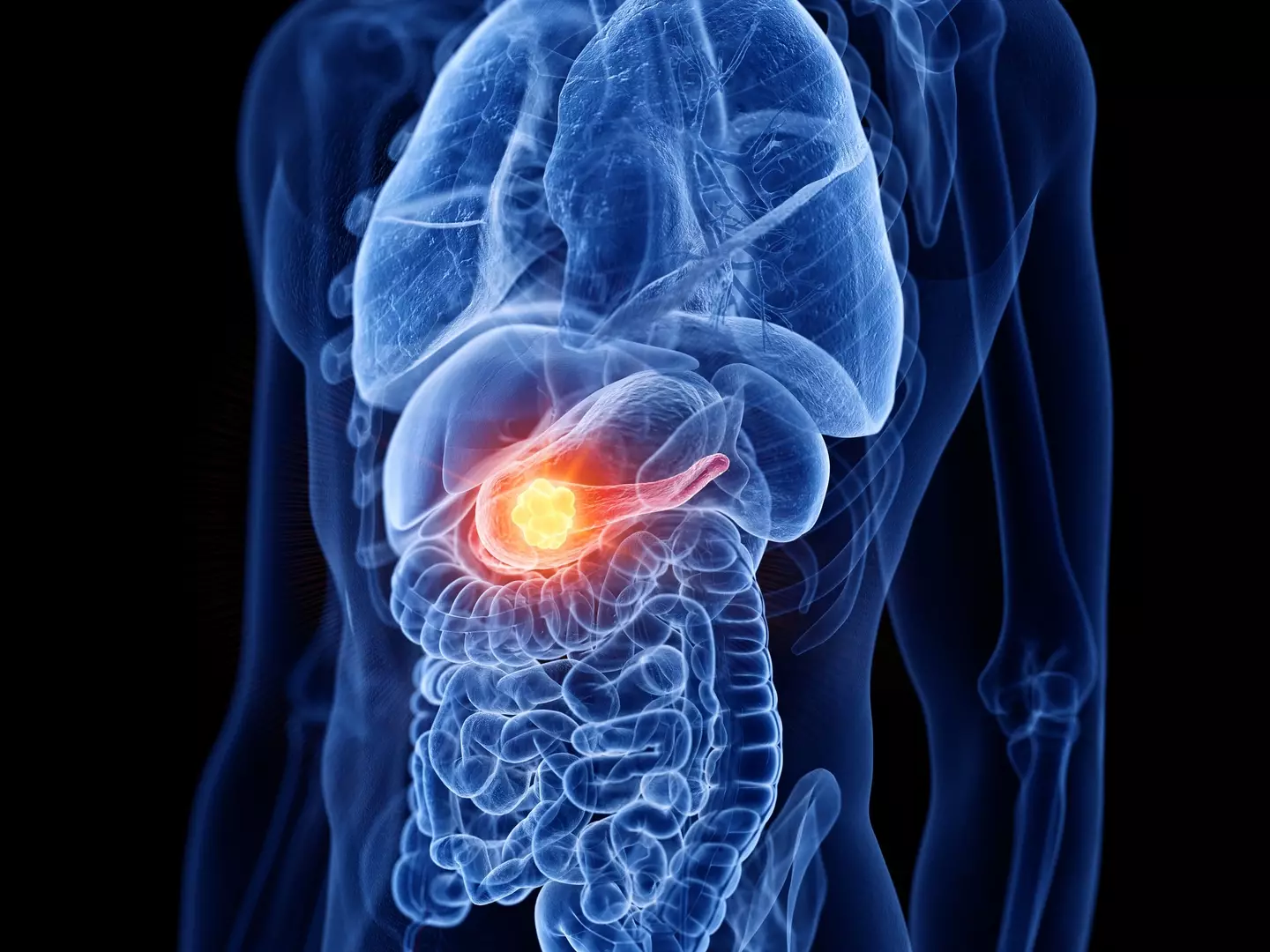
Because pancreatic cancer often goes unnoticed in its early stages, it’s crucial to be aware of its symptoms. While these signs might not appear until the cancer is advanced, knowing them could help with early detection. According to the Mayo Clinic, here are 10 symptoms to watch out for:
Abdominal Pain: Pain in the upper abdomen that radiates to your back and sides.
Loss of Appetite: A decrease in your desire to eat, leading to unintentional weight loss.
Weight Loss: Significant weight loss without any clear reason.
Fatigue: Feeling unusually tired or weak without any obvious cause.
Itchy Skin: A sensation of itching, which can result from a buildup of bilirubin in the blood.

Changes in Stools: Stools that appear light-colored, greasy, or float, indicating a problem with digestion.
Dark Urine: Urine that is darker in color than usual, which can be a sign of jaundice.
Jaundice: Yellowing of the skin and eyes caused by a bile duct blockage.
New or Worsening Diabetes: Difficulty controlling blood sugar levels or a sudden onset of diabetes.
Swelling or Pain in Limbs: Pain or swelling in the arms or legs, possibly due to blood clots.
If you experience any of these symptoms, it’s important to consult with your healthcare provider as soon as possible.