Explore the shocking truth behind why human remains have never been found in the Titanic wreckage, despite the tragic loss of 1,517 lives. Learn about deep-sea bacteria and ocean chemistry.
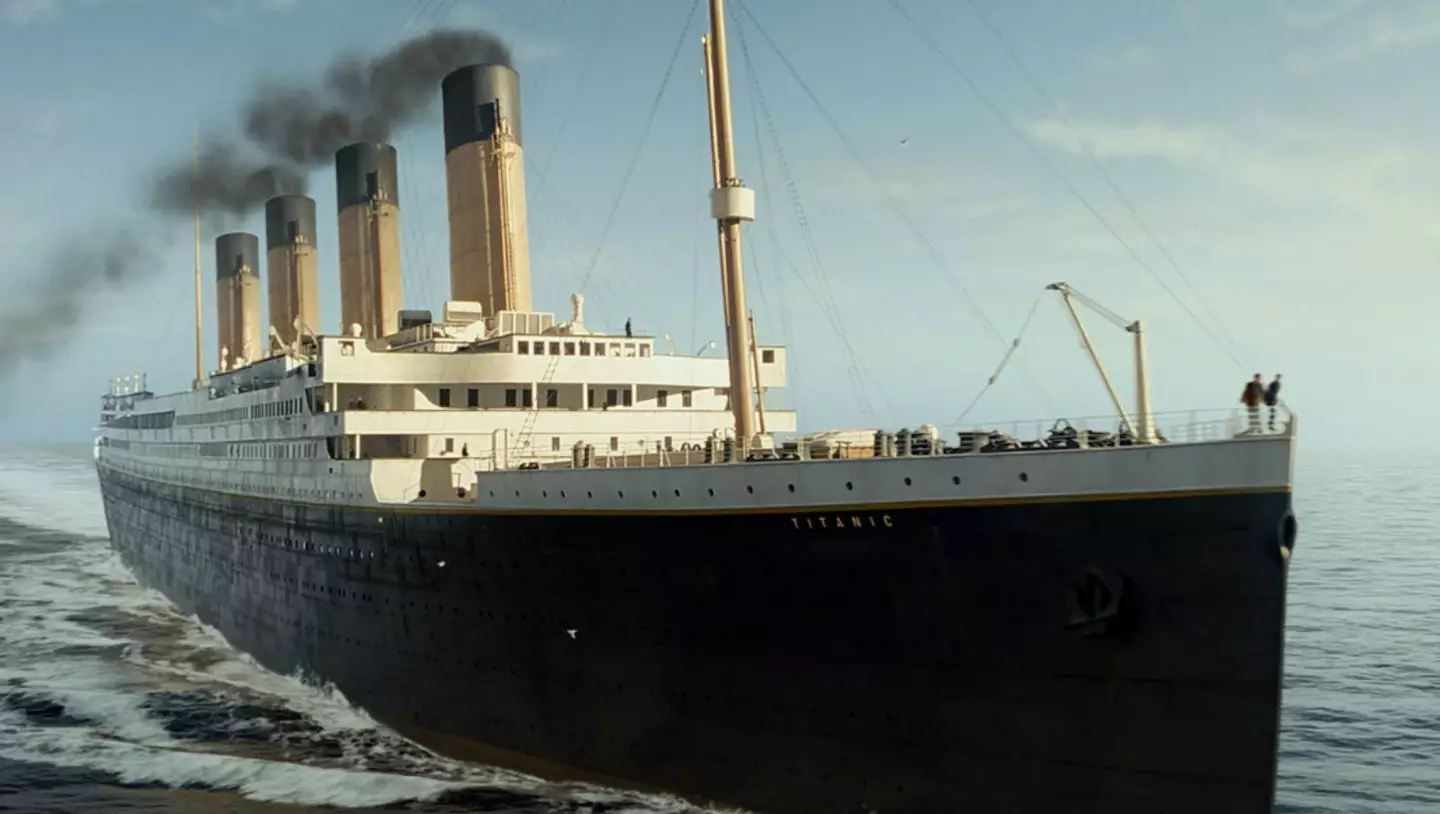
The RMS Titanic, one of the most famous ships in history, tragically sank on its maiden voyage in 1912 after hitting an iceberg in the Atlantic Ocean. Over 1,500 people lost their lives that night. Yet, despite decades of exploration, human remains have never been found in the Titanic wreckage. So, why is this the case?
While many are familiar with the heartbreaking story of the Titanic’s sinking, few know that no skeletons have been discovered among the wreckage—an intriguing and somewhat unsettling mystery. The answer, as it turns out, lies in a combination of factors related to the depth and chemistry of the ocean.
The Depth of the Titanic Wreckage
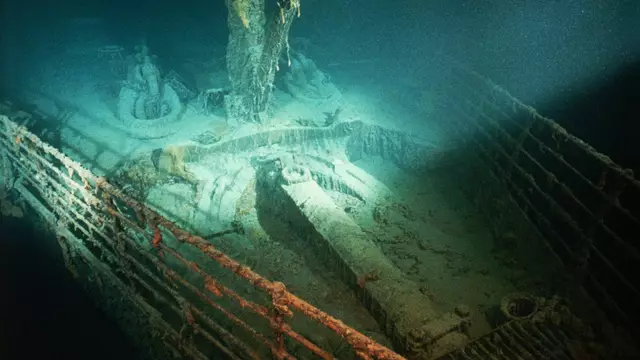
The Titanic’s wreck rests around 12,500 feet below the surface of the Atlantic Ocean, off the coast of Newfoundland. This deep-sea environment plays a crucial role in the preservation (or rather, the lack thereof) of human remains.
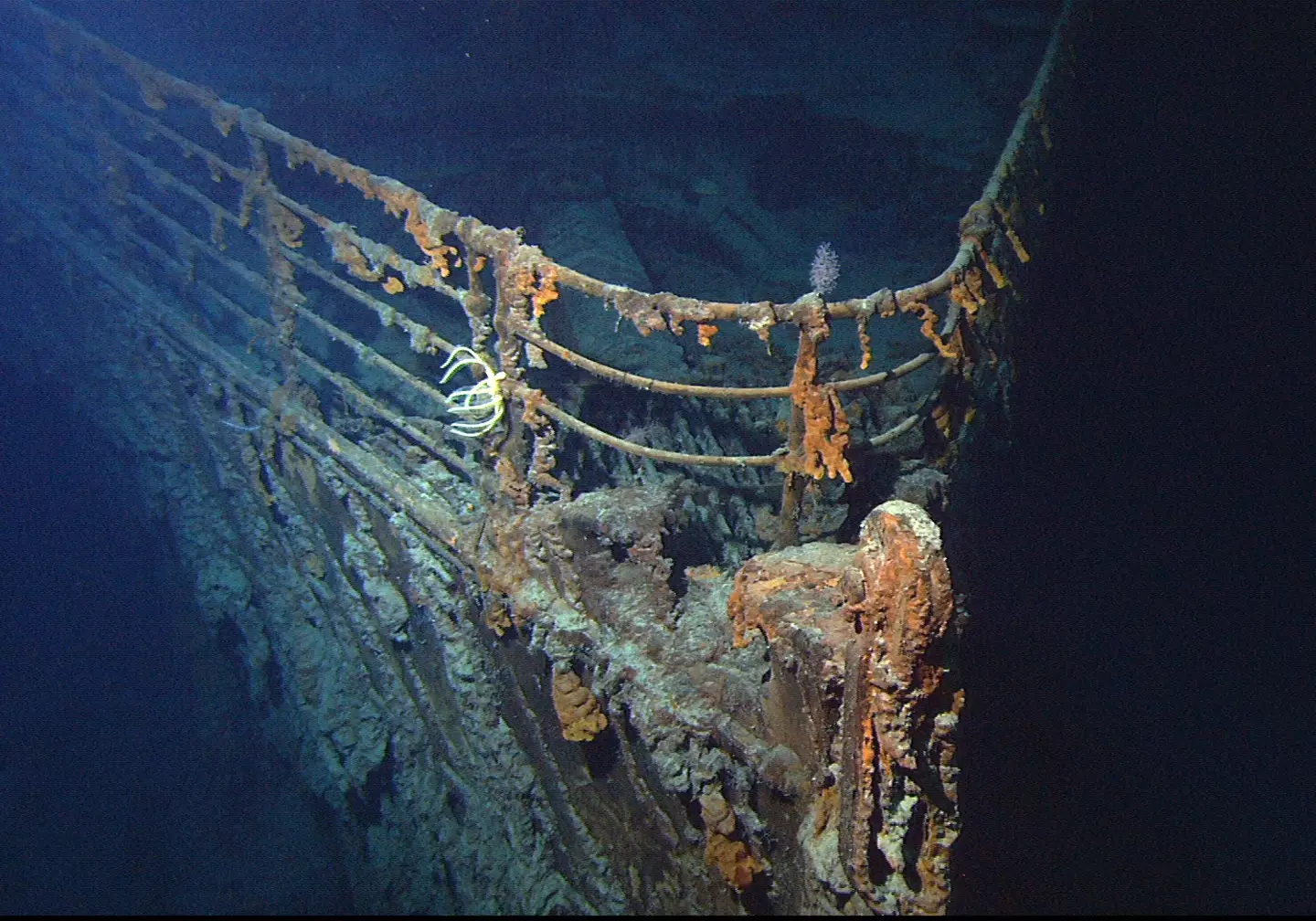
At this depth, a variety of unique conditions impact what happens to bodies in the ocean. Deep-sea bacteria, which thrive at such depths, can extract nutrients from bones, causing them to disappear over time. These bacteria feast on the flesh of the deceased, leaving the bones exposed. However, the seawater at these depths has a particularly unique chemical composition.
How Ocean Chemistry Affects Human Remains
According to Robert Ballard, the deep-sea explorer who first discovered the Titanic wreck in 1985, the water at such depths is “undersaturated in calcium carbonate,” the very substance that bones are primarily made of. This means that, once the flesh of a body has been consumed by the deep-sea organisms, the bones begin to dissolve naturally.
In essence, the bones of those who perished on the Titanic were likely consumed by the ocean itself over time. Ballard notes that the same process occurs with other famous shipwrecks like the Bismarck. He further explains that the deep ocean environment is simply not conducive to preserving bones—unlike shallower waters, which may have better conditions for preservation.
The Fate of Human Remains
One of the key reasons bones don’t remain is the sheer length of time. The Titanic wreck has been resting on the ocean floor for over a century now, and nature has taken its course. Research has even shown that a pig carcass, similar in size to a human body, placed on the seabed will be reduced to bones in just a few days, with the bones themselves disappearing in about six months.
Despite this, remnants of the Titanic’s passengers still remain. Visitors to the site, including Academy Award-winning director James Cameron, have discovered clothing and shoes, which strongly suggest that there were bodies there at some point. However, there are no skeletal remains to be found.
The Mystery of the Titanic’s Lost Souls
The lack of skeletons has fascinated and puzzled many over the years. Online discussions and Reddit threads reveal just how shocked people are by this discovery. Some users even shared their surprise, with comments like, “I thought they’d be squished into jelly…” and “The sea is human broth, confirmed?”
Though no bones have survived, the Titanic’s legacy endures in the artifacts that remain, such as shoes and clothing—small yet poignant reminders of the people who tragically lost their lives.