California has passed laws restricting the use of AI-generated actors, following backlash against Tilly Norwood, a fictitious AI actress. The new legislation aims to protect performers’ likenesses and ensure their consent in digital representations.
A US state has taken bold steps to regulate the use of AI-generated actors following widespread backlash against Tilly Norwood, a fictitious AI actress that sparked controversy in Hollywood.
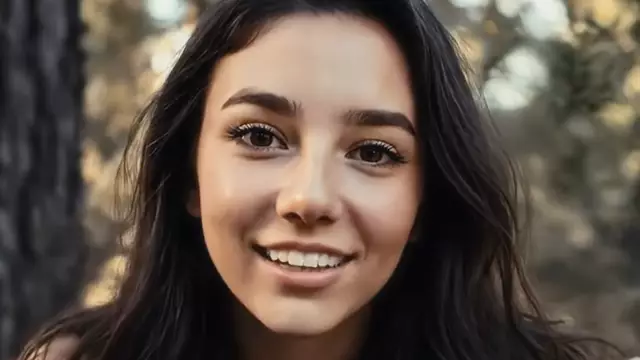
At first glance, Tilly Norwood appears to be an emerging star in the entertainment world. With her social media profiles and press coverage, one might think she is an up-and-coming actor. But in reality, Tilly does not exist—she is entirely AI-generated, created through sophisticated algorithms and digital manipulation.
Tilly’s rise to media attention has led to significant pushback, particularly from A-list celebrities and industry professionals who argue that the growing trend of AI-generated performers could disrupt the industry and threaten human actors’ livelihoods. Critics have also raised concerns about the ethical implications, pointing out that Tilly Norwood represents an idealized, ageless woman who cannot refuse roles or negotiate pay. This raises troubling questions about exploitation and consent in the AI age.
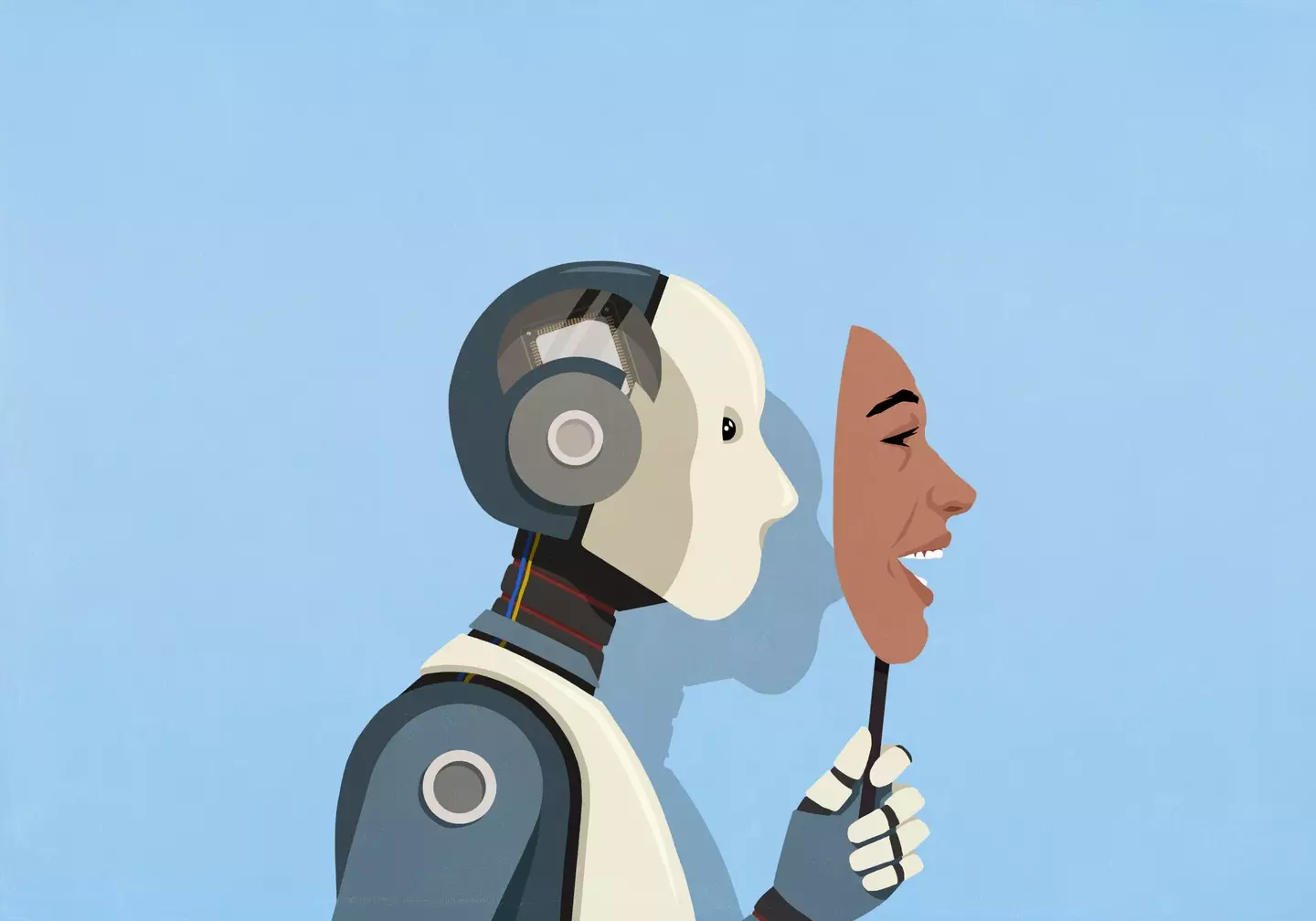
In response to the controversy, California has passed new laws aimed at regulating the use of AI in entertainment. Governor Gavin Newsom signed Assembly Bills 2602 (AB 2602) and 1836 (AB 1836) into law on September 17, 2025. The laws aim to protect human performers from having their likenesses and voices replicated without their consent through generative AI technologies.
AB 2602 prohibits the creation and use of digital replicas of an individual’s likeness or voice without a clear, specific contract agreement. The law ensures that actors are aware of how their likenesses will be used and that their representation is protected, especially in ambiguous contracts where they might unknowingly give away their image. This regulation is designed to combat the growing threat of deepfakes and unauthorized digital representations in film and television.
Meanwhile, AB 1836 focuses on deceased performers, stating that the voice or likeness of a deceased individual cannot be used in audiovisual works or sound recordings without explicit permission from the performer’s estate. This legislation addresses instances like that of James Earl Jones, who signed away rights to his voice before his death for AI-generated use in future projects like Star Wars.
While these laws do not outright ban AI-generated actors, they aim to provide safeguards for living performers, ensuring they are not exploited by AI technologies. However, the laws do not regulate the use of fictional AI actors, like Tilly Norwood, who are not based on any real individual but are created using data from various sources.
These new laws come on the heels of similar legislation passed in New York in January 2025, indicating a growing recognition of the importance of protecting actors’ rights in the age of artificial intelligence.