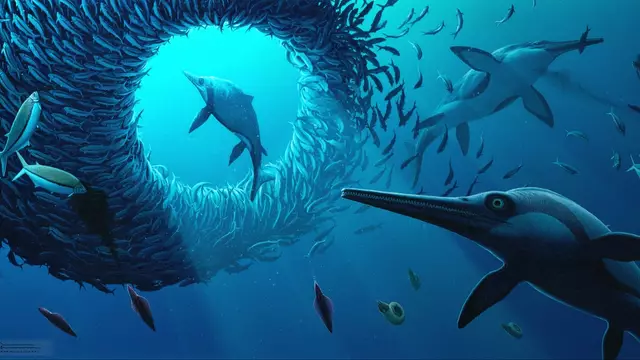
A rare marine reptile species, Xiphodracon goldencapsis, discovered on the UK’s Jurassic Coast, could help solve a mystery in the ichthyosaur evolutionary timeline. This 190-million-year-old “Sword Dragon” could reshape our understanding of the Early Jurassic period.
A groundbreaking fossil discovery made on the UK’s Jurassic Coast has unveiled a rare species of marine reptile that could provide key insights into the evolutionary history of the ichthyosaur. The species, named Xiphodracon goldencapsis, or the ‘Sword Dragon of Dorset’, is the first of its kind to be discovered and could be the missing link in the ichthyosaur fossil record.
The Discovery: A Pivotal Find for Paleontology
Found at Golden Cap in 2001 by Dorset fossil collector Chris Moore, the nearly perfectly preserved skeleton of this ancient ichthyosaur has given scientists crucial information about the evolutionary timeline of marine reptiles. This species is thought to have lived during the Early Jurassic period, specifically the Pliensbachian stage, around 190 million years ago.
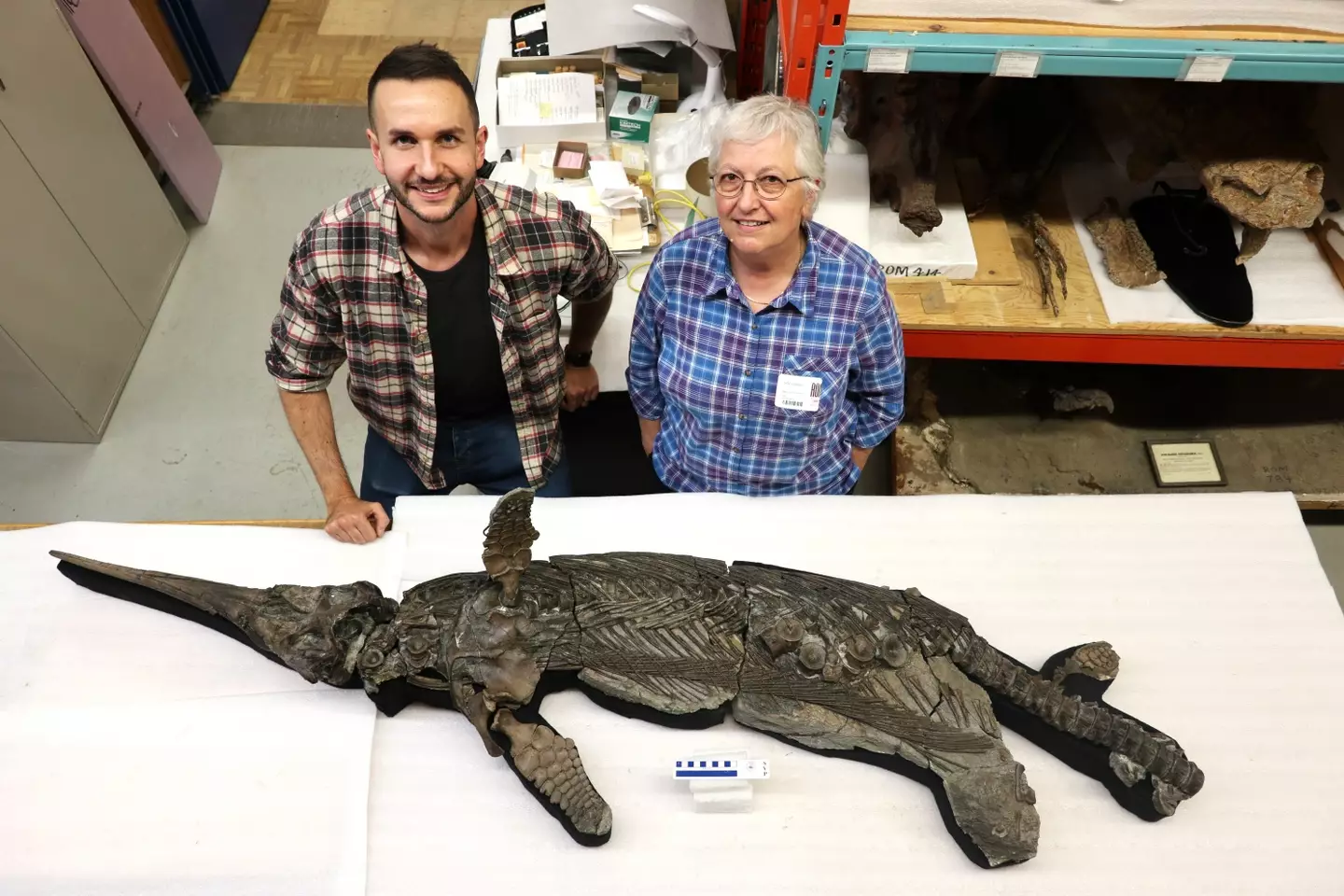
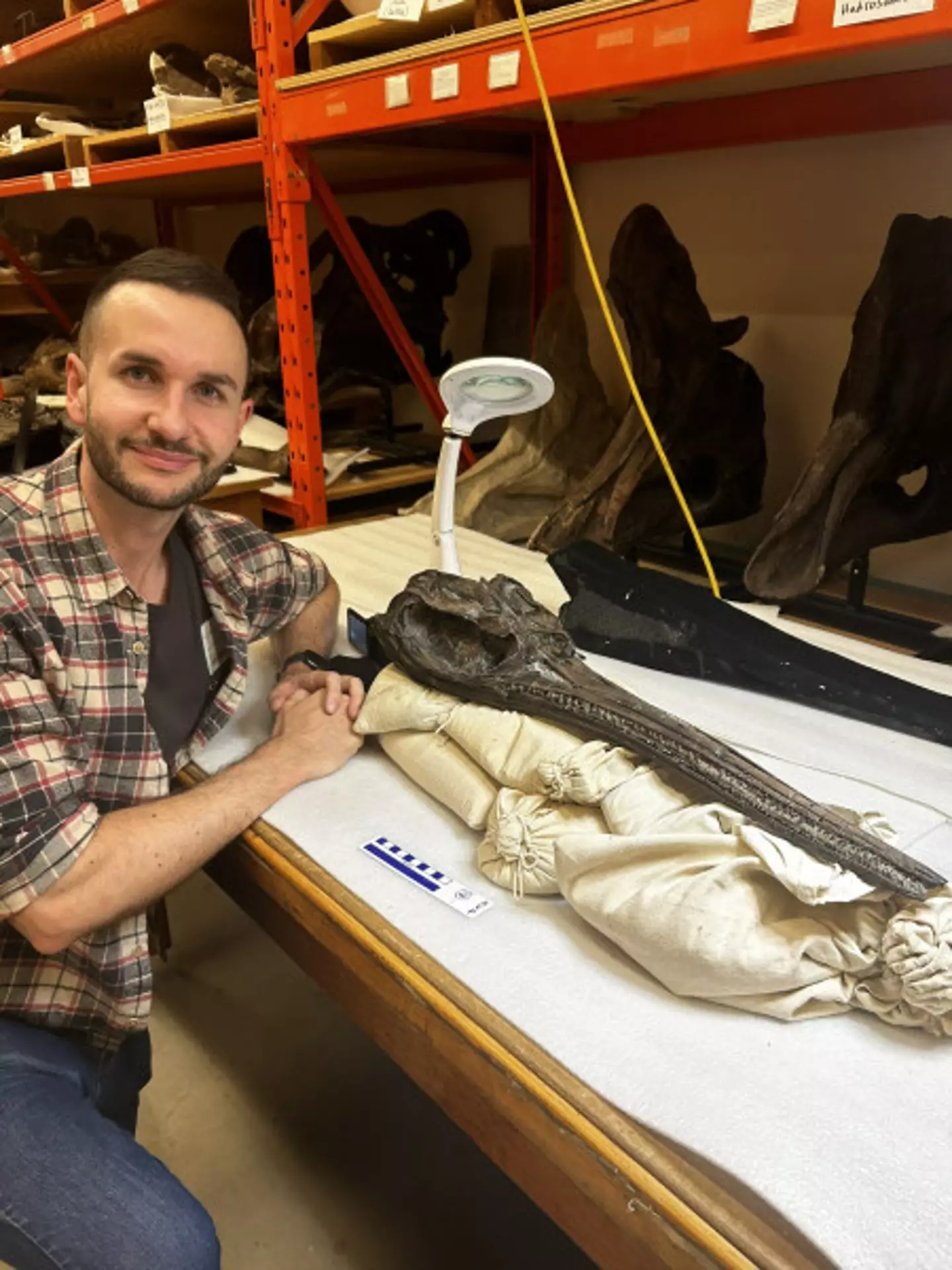
The Xiphodracon goldencapsis fossil includes a skull with an enormous eye socket and a long sword-like snout, revealing important characteristics that set it apart from other ichthyosaurs. What’s even more remarkable is the fact that scientists have been able to determine the creature’s diet, finding evidence that it had consumed soft fish and squid shortly before its death.
Key Features and Unprecedented Findings
The study, published in the journal Papers in Palaeontology on October 10, highlighted several unique features of the species that have never been seen in other ichthyosaurs. One of the most intriguing characteristics is the bone around the nostril, which exhibits prong-like bony structures. These features led to the species’ name: “Xipho” (Greek for sword) and “dracon” (Greek and Latin for dragon).
This discovery is significant because it sheds light on the evolutionary changes that took place in the ichthyosaur lineage much earlier than previously thought. Dr. Dean Lomax, an ichthyosaur expert and co-author of the study, explained:
“I remember seeing the skeleton for the first time in 2016. Back then, I knew it was unusual, but I did not expect it to play such a pivotal role in helping to fill a gap in our understanding of a complex faunal turnover during the Pliensbachian.”

The Pliensbachian period marked a time when several ichthyosaur families went extinct, while new families emerged, making this fossil crucial for understanding that transition.
Filling the Gaps in Ichthyosaur Evolution
Professor Judy Massare, a co-author of the study, pointed out that Xiphodracon helps pinpoint when the major shifts in ichthyosaur species diversity occurred during the Pliensbachian. While scientists now have a clearer understanding of when the changes happened, the exact cause behind this shift remains a mystery.
The specimen’s malformed limb bones and teeth suggest that the animal may have suffered from serious injury or disease while alive. Moreover, the skull shows signs of having been bitten by a much larger predator—likely another ichthyosaur—giving insight into the harsh and dangerous environment of the Mesozoic oceans.
Understanding Life in the Jurassic Seas
Dr. Erin Maxwell, another co-author of the study, explained that the Xiphodracon skeleton provides vital information not only about ichthyosaur evolution but also about the life and challenges faced by creatures in the Jurassic seas. This discovery helps researchers understand what life was like in the Mesozoic oceans, with perilous conditions that included predation and injury.
Conclusion: A Key Puzzle Piece in Prehistoric Evolution
The discovery of Xiphodracon goldencapsis has provided a crucial piece of the puzzle in understanding the evolution of ichthyosaurs and their role in the Early Jurassic ecosystems. The unique features of this marine reptile may change how we view the evolutionary timeline of these fascinating creatures, shedding light on a pivotal time in prehistoric history.