While Netflix’s “Monster: The Ed Gein Story” captures chilling details of Gein’s crimes, several aspects are fictionalized. Discover the seven major things that didn’t actually happen in real life.
Ryan Murphy’s latest installment of the Monster series on Netflix, inspired by the notorious crimes of Ed Gein, offers viewers a chilling look into the mind of one of the most infamous serial killers in history. While much of the show’s content is based on real events, there are several elements where the creators took artistic liberties. Here are seven things from Monster that didn’t actually happen in real life.
1. Adeline Watkins Was Not Gein’s Accomplice
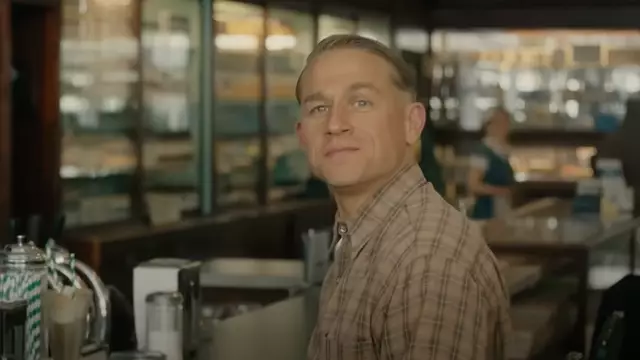
In Monster, Adeline Watkins, played by Suzanna Son, is portrayed as Gein’s accomplice and longtime girlfriend. However, in reality, Watkins claimed she had a relationship with Gein but later retracted her statement. She described him as “quiet and polite” and insisted there was no 20-year romance between them.
2. No Romantic Relationship Between Gein and Bernice Worden
Monster portrays a passionate encounter between Gein and Bernice Worden before her murder, but there’s no evidence that the two ever had any romantic connection. After Gein murdered tavern worker Mary Hogan in 1964, he was connected to Worden’s disappearance in 1967, but there was no indication of a relationship between them.
3. Henry Gein’s Death Was Not Murder
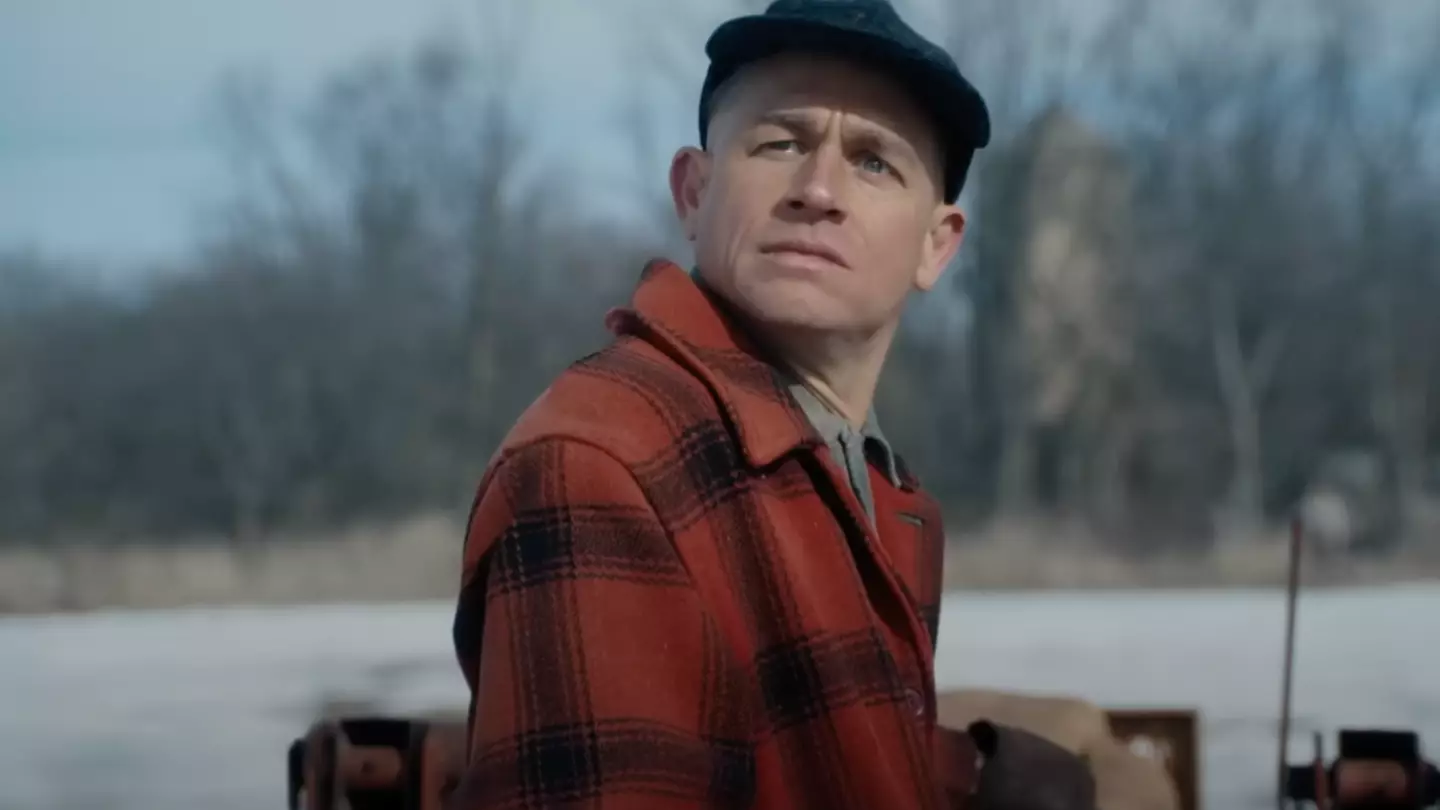
In Monster, Gein is shown as the cause of his brother Henry’s death, staging a fire to cover up the crime. In reality, there’s no evidence to suggest that Ed Gein killed Henry. According to Harold Schechter’s Deviant: The Shocking True Story of the Original ‘Psycho’, Henry died of asphyxiation after fighting a bushfire, not at the hands of his brother.
4. Gein Did Not Abduct or Kill Evelyn Hartley
The series introduces the disappearance of Evelyn Hartley, which Gein is depicted as responsible for. However, in reality, there’s no connection between Gein and Hartley’s disappearance. While Hartley went missing in 1953, there was no evidence linking her case to Gein.
5. Gein’s Necrophilia Was Never Proven
Monster shows Gein engaging in necrophilia, but there’s no verified evidence to support this claim. While Gein kept body parts, including sex organs, around his home, he consistently denied any sexual attraction to corpses. The show takes creative license by depicting this act, but it remains unconfirmed in real life.

6. Gein Did Not Communicate with Other Serial Killers
In Monster, Gein is shown as an inspiration for other serial killers, including Richard Speck. The show depicts Speck writing fan letters to Gein, calling him his “idol,” but there is no evidence that Speck ever communicated with Gein. The link between these killers is entirely fictional.
7. Gein Didn’t Help Police Capture Ted Bundy
The final episode of Monster imagines a scenario where Gein helps detectives solve the case of Ted Bundy’s murders. However, in reality, while detectives did speak with Gein while he was in prison, he didn’t offer any insight that helped capture Bundy. The show dramatizes this interaction for narrative effect.
Bonus: Gein Was Not Labeled as Gynephilic
In an imagined conversation in Monster, Gein discusses his identity with Christine Jorgensen, a transgender activist, and is labeled as “gynephilic” — someone attracted to femininity or women. Gein never publicly identified as gynephilic, and the term was added by the creators to distance Gein’s crimes from transgender identity. Co-creator Ian Brennan explained that the term was used to clarify that Gein’s behavior was distinct from transgender experiences.
Monster: The Ed Gein Story is available for streaming on Netflix now.