
Discover the exact time of Jesus Christ’s crucifixion with Woodrow Michael Kroll’s new book. Using Bible verses, science, and historical data, Kroll unveils the year, date, and time of Jesus’ death.
For centuries, the exact time of Jesus Christ’s crucifixion has been a subject of debate and intrigue among Christians and theologians. While the Bible provides a detailed account of His death, it does not specify the exact date or time. Now, a new book claims to have solved this mystery using hidden clues within the Bible combined with scientific analysis.
Woodrow Michael Kroll, a preacher and radio host, presents his findings in The Day Jesus Died: Discovering the Year, Date, Day, and Time of Jesus’ Crucifixion. In this book, Kroll argues that through careful examination of biblical texts, astronomical data, and historical research, he has pinpointed the exact moment Jesus was crucified.
The Date and Time of Jesus’ Crucifixion: The Key Evidence
Many historians have long suggested that Jesus died at 3:00 pm on Friday, April 3, 33 AD. Kroll’s research supports this conclusion, emphasizing several key points from the Bible and astronomical data.
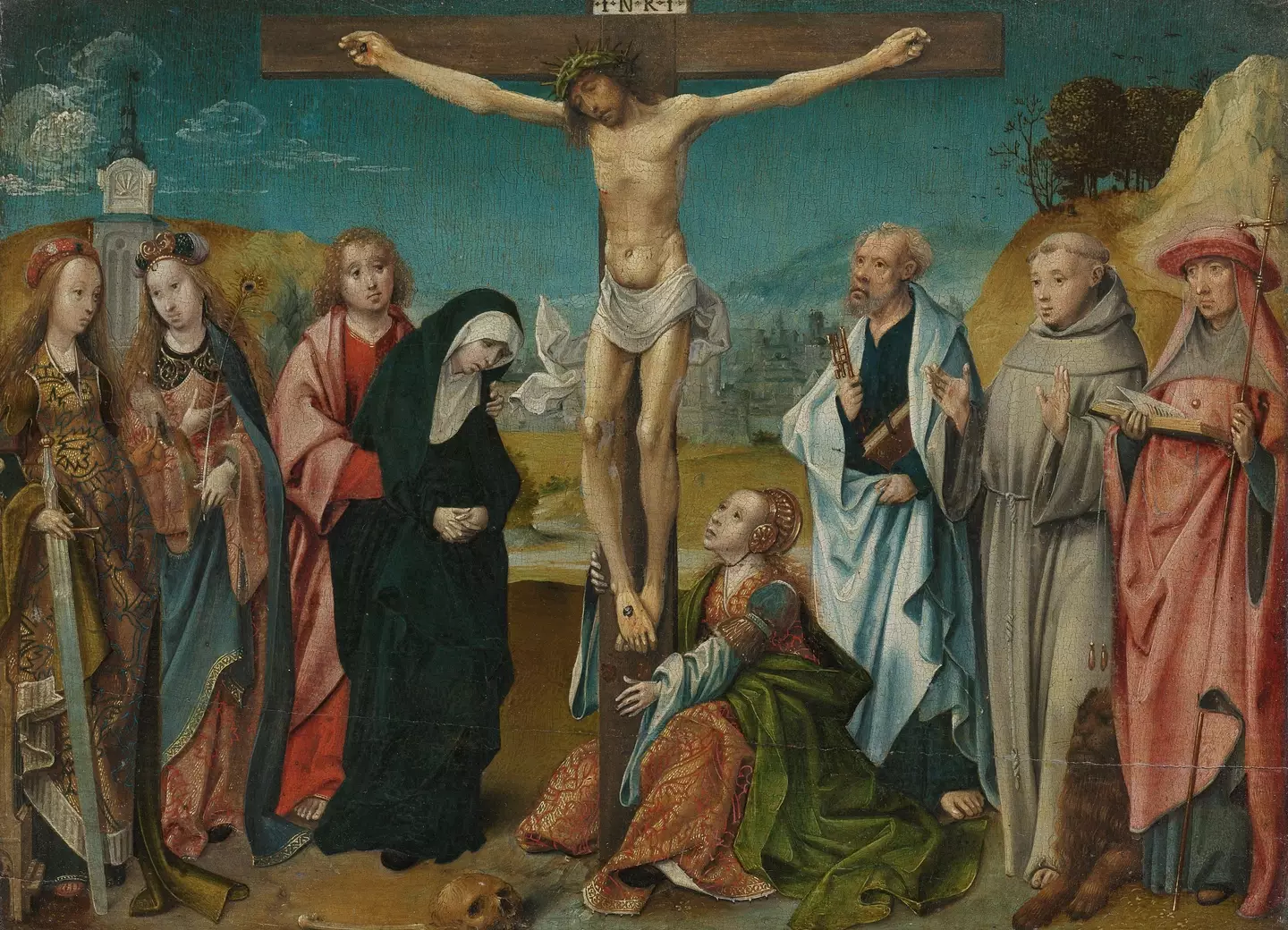
According to the Gospel of Mark (15:34), Jesus died at the “ninth hour.” Experts clarify that this does not refer to 9:00 am but rather to the mid-afternoon, as the Jewish day was divided into twelve hours starting at sunrise (around 6:00 am). Thus, the ninth hour would indeed be around 3:00 pm.
Moreover, all four Gospels mention that the crucifixion occurred on the “Day of Preparation,” which corresponds to the day before the Sabbath (Friday). This confirms that the crucifixion took place on a Friday, further supporting Kroll’s findings.
Astronomical Evidence and Lunar Eclipse
Kroll also delves into astronomical data to strengthen his case. In Acts 2:20, a celestial event is mentioned: “the moon turning to blood.” Kroll found that on April 3, 33 AD, a full moon, consistent with Passover, illuminated Jerusalem. That evening, a partial lunar eclipse was visible, providing an additional layer of evidence to confirm the date of Jesus’ death.

Debunking the Wednesday Theory
Many have suggested that Jesus was crucified on a Wednesday, but Kroll dismisses this theory, pointing out that it contradicts both the Bible and Jewish practices at the time. According to Kroll, the biblical account and historical context clearly point to a Friday crucifixion.
Conclusion: A Historic Revelation
With a combination of eyewitness accounts, historical data, and biblical interpretation, Kroll’s book offers a compelling argument for the exact time and date of Jesus’ death. His confident conclusion allows readers to almost feel as though they were present at the moment when Jesus said, “It is finished.”