Experts weigh in on why Donald Trump had little chance of winning the Nobel Peace Prize, despite his claims. Learn about the 2025 winner and the criteria for this prestigious award.
With the announcement of the 2025 Nobel Peace Prize winner today (October 10), experts have provided insight into why President Donald Trump had little chance of winning the prestigious award, despite his recent claims of deserving it.
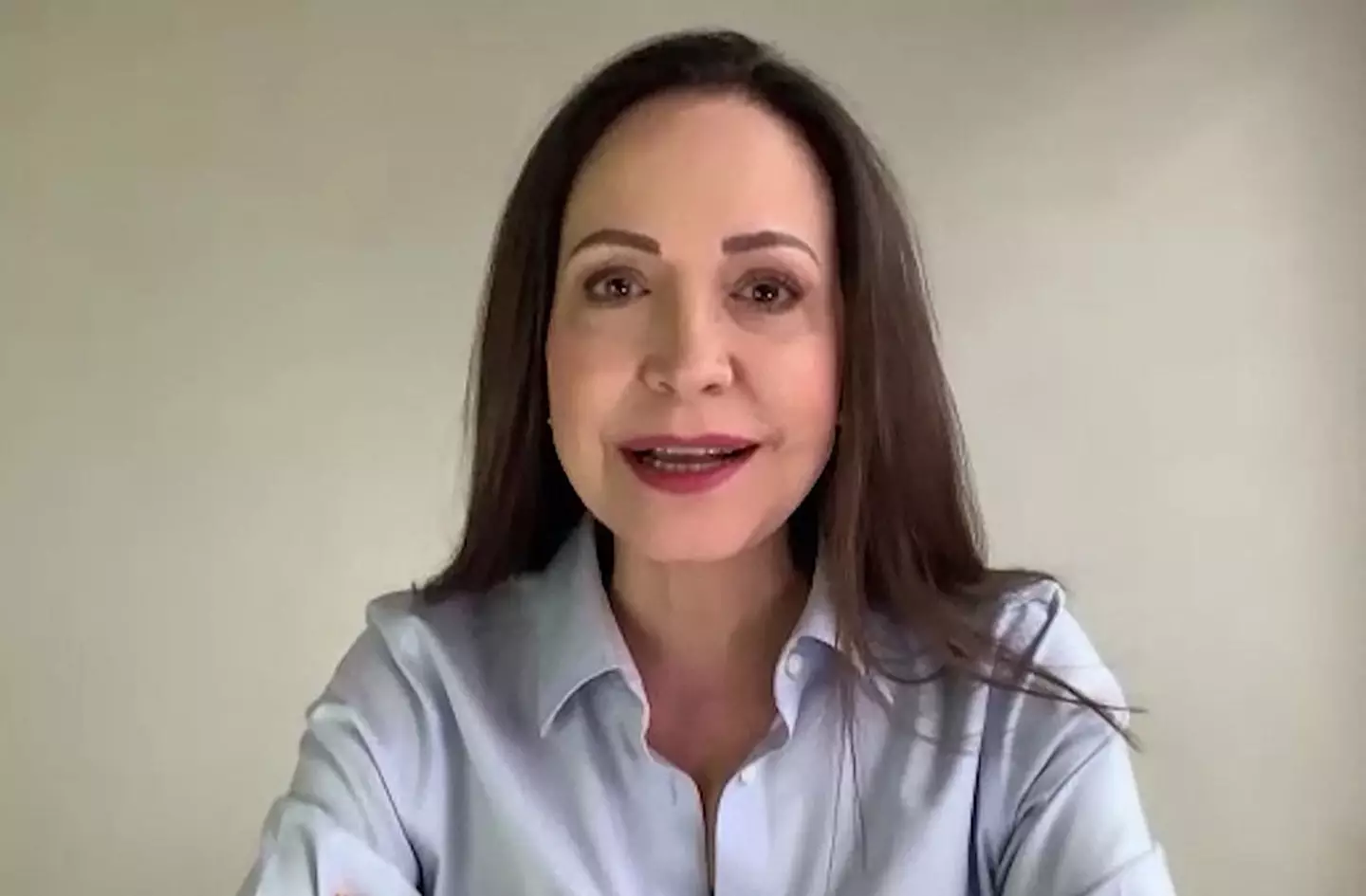
The Nobel Peace Prize for 2025 was awarded to Venezuelan opposition leader and pro-democracy campaigner Maria Corina Machado, who has been recognized for her steadfast commitment to promoting democracy and a peaceful transition in Venezuela. The announcement comes on the same day that Israel began withdrawing troops from parts of Gaza as part of a ceasefire deal initiated by Trump.
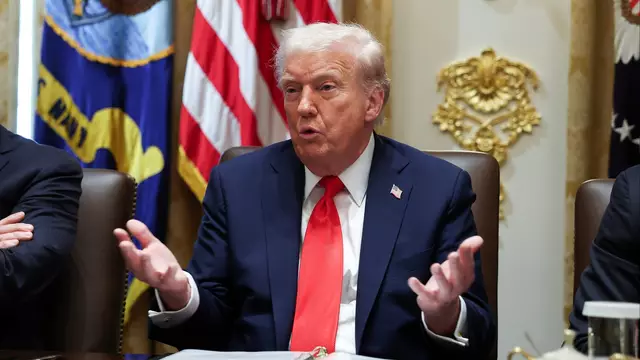
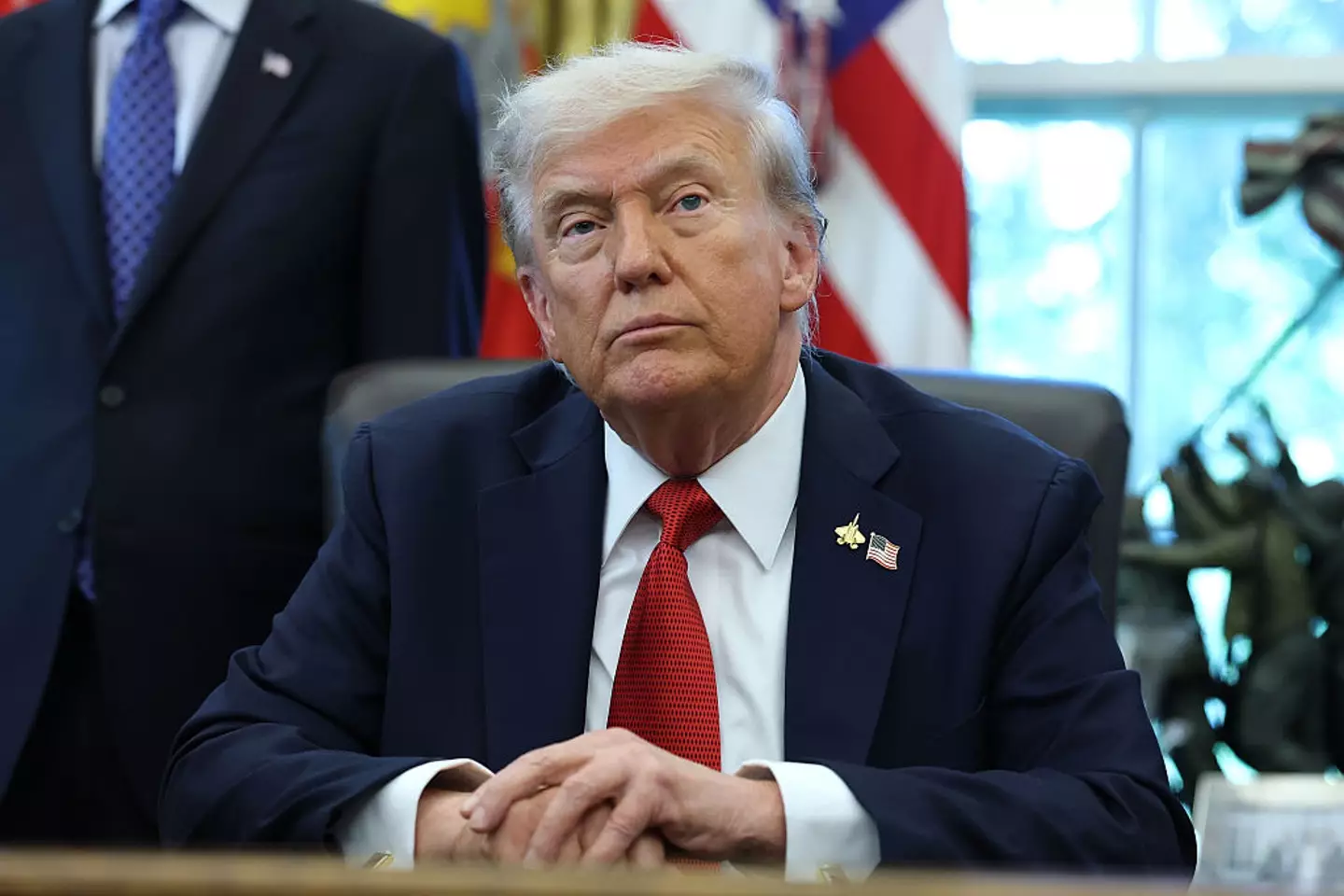
Trump, who has repeatedly stated that he has “ended six wars” during his presidency, also declared earlier this year that he “deserves” the Nobel Peace Prize but added, “They will never give it to me.” While he was nominated by several prominent figures, including Israeli Prime Minister Benjamin Netanyahu, being nominated does not guarantee eligibility for the prize.
Despite the nomination, Trump’s path to winning the Nobel Peace Prize was highly unlikely, according to experts. Here’s why:
Experts Explain Trump’s Lack of Eligibility
Asle Sveen, an author and historian of the Nobel Peace Prize, explained to ABC News that Trump had “no chance to get the Peace Prize at all.” Sveen’s comment reflects the general consensus among many experts who argue that Trump’s actions do not align with the criteria laid out in Alfred Nobel’s will. Nobel’s will specifies that the Peace Prize should be awarded to the person who has “done the most or best to advance fellowship among nations.”
Nina Graeger, the director of the Peace Research Institute Oslo, also pointed out that Trump simply did not meet this criterion. She noted that under Trump’s leadership, the global community witnessed significant challenges to democracy, an issue that the Nobel Committee took into account when selecting this year’s recipient.
Democracy and Peace: The Nobel Committee’s Focus
In its announcement of Maria Corina Machado as the recipient of the Nobel Peace Prize, the Nobel Committee highlighted the importance of democracy as a foundation for lasting peace. The committee’s statement emphasized, “Democracy is a precondition for lasting peace.” It further stated that “more and more authoritarian regimes are challenging norms and resorting to violence,” referencing the global trend toward authoritarianism that has grown in recent years.
Machado’s unwavering support for a peaceful transition to democracy in Venezuela made her a fitting recipient of this year’s award. Her dedication to democratic principles, even in the face of extreme adversity, resonated deeply with the Nobel Committee’s vision of peace.
Trump’s International Record and Domestic Challenges
While Trump’s international diplomacy efforts, such as his involvement in Middle East peace agreements, may have contributed to his Nobel nominations, experts argue that his overall record left much to be desired. Darren Kew, Dean of the Joan B. Kroc School of Peace Studies at the University of San Diego, noted that the period under review for this year’s prize was 2024, before Trump’s return to office. He acknowledged that the Nobel Committee has the discretion to select whomever it wishes, but also pointed out that Trump’s domestic and international actions have drawn significant criticism.
Kew added that Trump’s divisive political record and his handling of foreign policy in various regions likely worked against his candidacy for the Peace Prize. Additionally, some of the nominations for Trump, including Netanyahu’s, were submitted after the January 31 deadline, further complicating his chances.
Conclusion: The Nobel Peace Prize and Trump’s Legacy
Despite his claims of deserving the Nobel Peace Prize, the selection of Maria Corina Machado as the 2025 winner reinforces the Nobel Committee’s emphasis on democratic values and peaceful transitions in the face of global challenges. While Trump’s contributions to international diplomacy may be recognized by some, his overall record, both domestically and internationally, did not align with the ideals of peace and fellowship outlined in Alfred Nobel’s will.
As the Nobel Peace Prize continues to honor those who have made significant contributions to advancing peace, democracy, and global cooperation, Trump’s legacy in these areas remains a subject of debate.