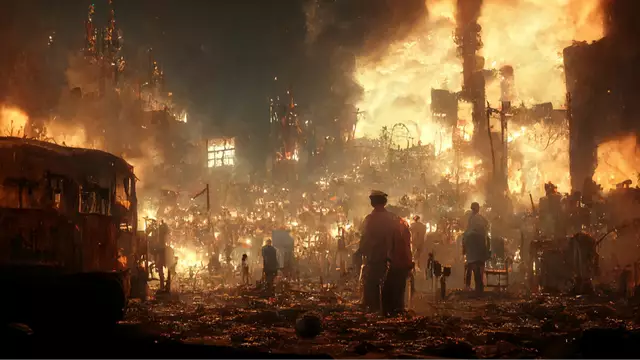
A pastor’s rapture prediction missed the mark, but a bizarre calendar mix-up has led to renewed speculation about the world’s end. Learn why some believe the rapture could still happen today.
After a pastor’s rapture prediction failed to come true, some followers are clinging to new hope, believing that the rapture could still be on the horizon—thanks to a peculiar mix-up with the calendar.
Joshua Mhlakela, a pastor who previously predicted the end of the world would occur on September 23 and 24, 2025, has now doubled down on his prediction, suggesting that the rapture could still happen today (October 7) due to a mix-up with the calendar system.
The Failed Prediction
Mhlakela initially captured the attention of many when he boldly claimed to have seen Jesus in a dream seven years ago, where he was told that on those specific dates, “our planet would shake with such power,” and that “God would rescue the Christians out of the world.” His certainty attracted many believers who were desperate for clarity during uncertain times. Some followers even sold their cars and homes, believing that earthly possessions would no longer be necessary.
However, when September 23 and 24 passed without incident, the rapture did not materialize, leaving the pastor red-faced and his followers questioning his credibility. But Mhlakela, undeterred, has now pointed to a new theory that he believes could still make the rapture happen.
The Calendar Mix-Up Theory
According to Mhlakela and some of his followers, the discrepancy between the Gregorian and Julian calendars may explain why the rapture didn’t happen as predicted. The theory suggests that Jesus would have used the Julian calendar during his time, but modern society uses the Gregorian calendar, which was introduced in 1582 and adopted by Britain in 1752.
The key difference between the two calendars is the number of days: While there was originally an 11-day difference, the gap has now grown to 13 days. This would mean that the rapture, according to Mhlakela’s followers, could be scheduled for today—October 7—based on the Julian calendar.
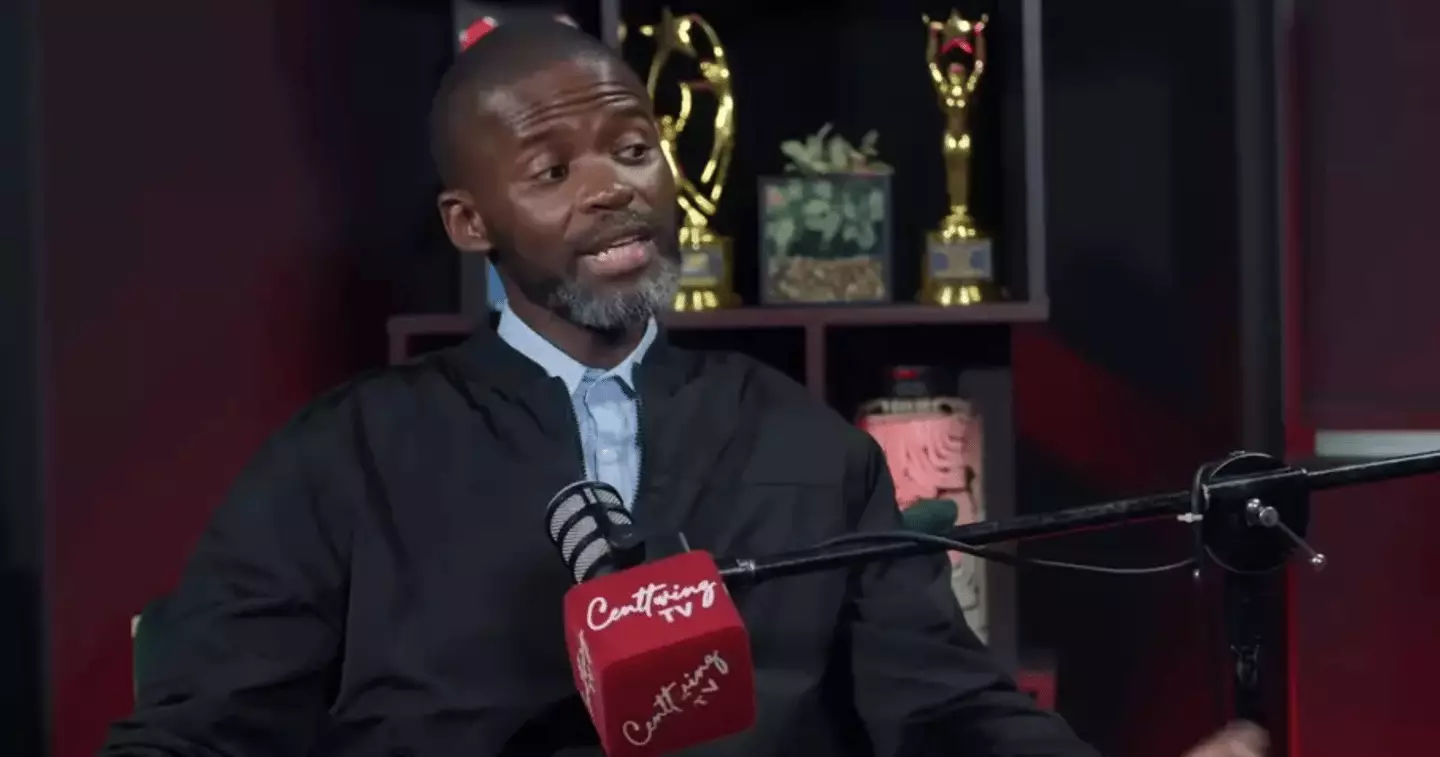
“It clicked to me,” Mhlakela told CENTTWINZ TV. “People have to believe me. I repeat this. I saw Jesus face-to-face. There’s a narrative out there that it was not the real Jesus. We will see in days to come.”
While this theory is drawing attention online, it’s unclear whether it will resonate with the broader public. For now, many are left wondering whether the rapture is really on the horizon—or if it’s just another apocalyptic miscalculation.

Why Do People Still Believe in Predictions of the End?
Despite the failure of previous rapture predictions, many people continue to cling to the idea that the world will end, often looking to religious figures for guidance during times of uncertainty. Psychotherapist Tina Chummun explains why these beliefs are so compelling.
“People often get caught up in these belief systems during times of uncertainty because our brain is wired to seek patterns and certainty when life feels unpredictable,” Chummun said. “Neuroscience shows us that heightened stress and uncertainty increase our amygdala reactivity, making us more susceptible to black-and-white narratives that promise safety, salvation, or control.”
Chummun adds that people are more likely to align themselves with those who appear to have certainty, even if they haven’t fully examined whether these beliefs are grounded in reality.
Will the Rapture Happen Soon?
If the rapture doesn’t occur today, many will likely continue to ask: Could it happen soon, or is it safe to move forward with our lives? As with most apocalyptic predictions, only time will tell, but for now, many may be left wondering if the end of the world is just a matter of calendar adjustments—or if they’ll be forced to wait for the next prophecy to come along.