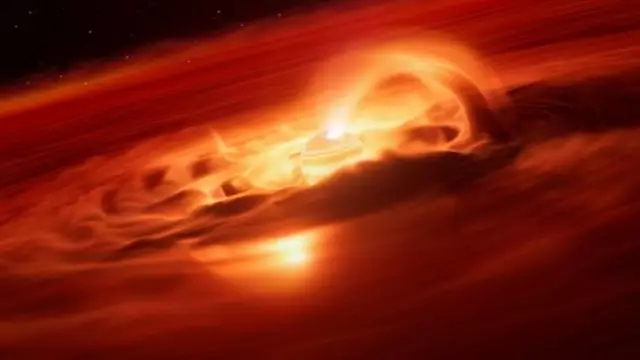
Scientists are puzzled by Cha 1107-7626, a rogue planet 620 light-years away, that is growing at an extraordinary rate, consuming gas and dust. This discovery is shaking up our understanding of space.
Astronomers have been left baffled by the discovery of a rapidly expanding “rogue” planet that is growing at an astonishing rate, breaking records for its speed.
Cha 1107-7626, a planet located 620 light-years from Earth in the Chamaeleon constellation, has captured the attention of scientists worldwide. Unlike other planets in our solar system, this planet does not orbit a star. Instead, it floats freely through space, consuming an astonishing six billion tonnes of gas and dust every second.
Using the European Southern Observatory’s Very Large Telescope in Chile, scientists have been able to closely examine this rogue planet, and their findings are nothing short of astounding. Cha 1107-7626 is believed to be five to ten times the mass of Jupiter, and it is growing faster than anything scientists have observed before.
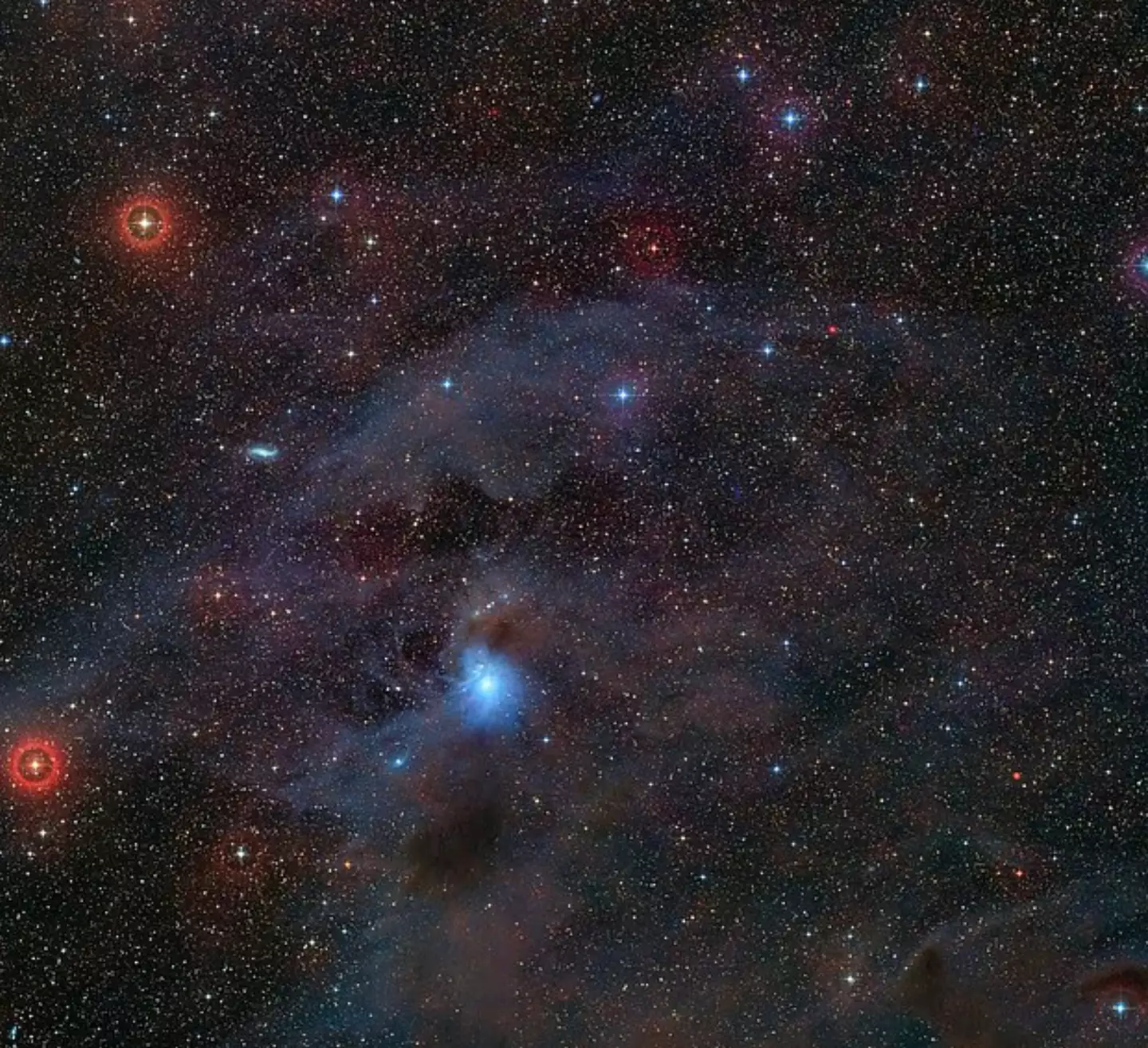
According to a recent study published in The Astrophysical Journal Letters, the planet’s growth rate has increased by eight times compared to just a few months ago, marking it as the fastest-growing planet ever recorded.
Víctor Almendros-Abad, an astronomer at the Astronomical Observatory of Palermo and lead author of the study, commented: “People may think of planets as quiet and stable worlds, but with this discovery, we see that planetary-mass objects freely floating in space can be exciting places.”
The Mystery of Rogue Planets
While scientists now have a better understanding of the planet’s size, many questions remain unanswered. Aleks Scholz, an astronomer at the University of St Andrews in the UK and co-author of the study, explained, “The origin of rogue planets remains an open question: Are they the lowest-mass objects formed like stars, or giant planets ejected from their birth systems?”
Cha 1107-7626 is growing in a way similar to young stars, which also have rapid growth spurts and devour material from their surroundings. Like stars, the planet also has an unusually strong magnetic field for its mass, which helps it gather gas and dust.
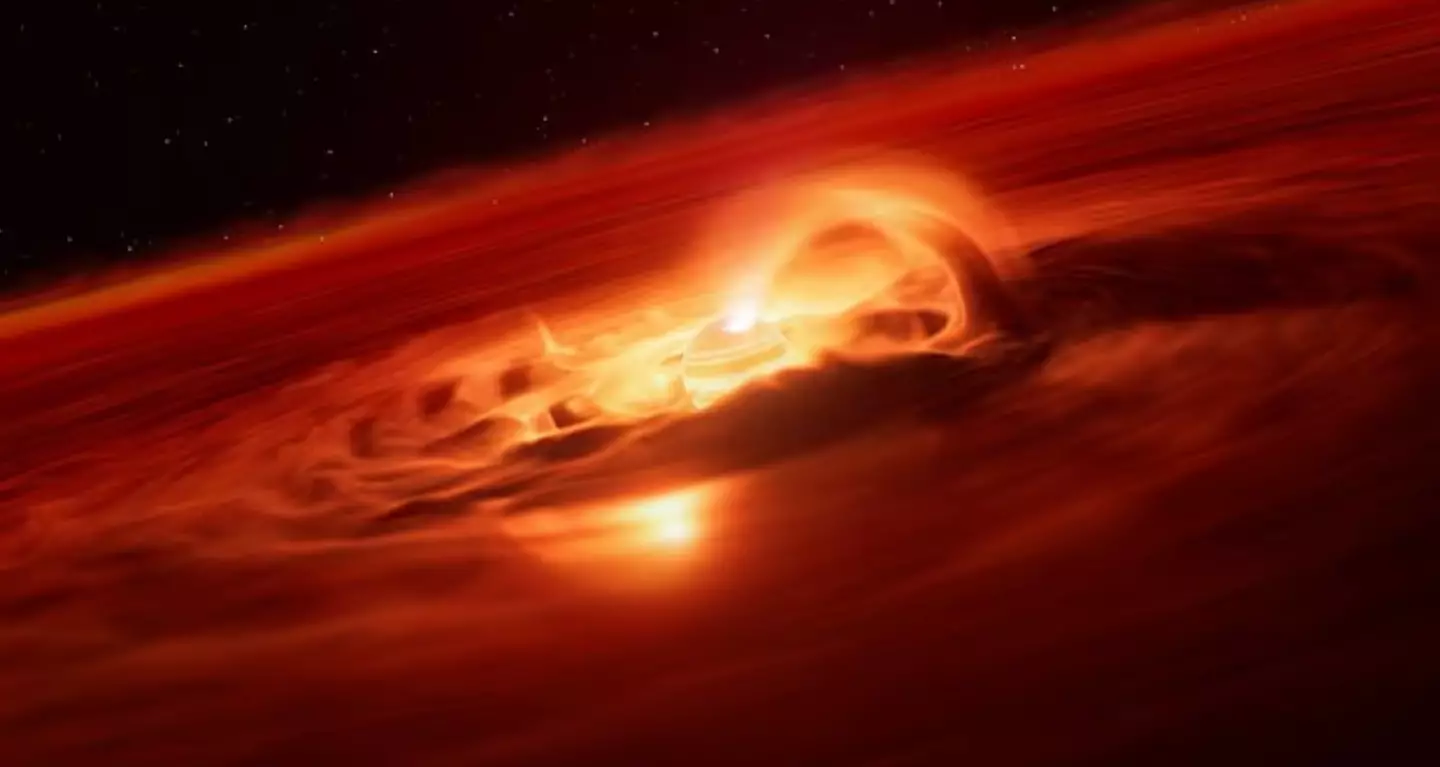
One particularly puzzling change in the planet’s behavior is its chemical composition. Scientists initially detected water vapor, but after its rapid growth spurt, the water vapor disappeared—another behavior typically seen in stars rather than planets.
Belinda Damian, another co-author of the study, added: “This discovery blurs the line between stars and planets and gives us a sneak peek into the earliest formation periods of rogue planets.”
What’s Next for Cha 1107-7626?
Dr. Scholz further explained that the planet’s major growth spurts likely happened earlier in its life, while it was still surrounded by dust and gas, making it invisible to our instruments. By the time we observe rogue planets, they are often close to their final form.
He continued, “When we can observe them, they are already close to the finished products. The really exciting early evolution happens when they are embedded in a thick cloud.”