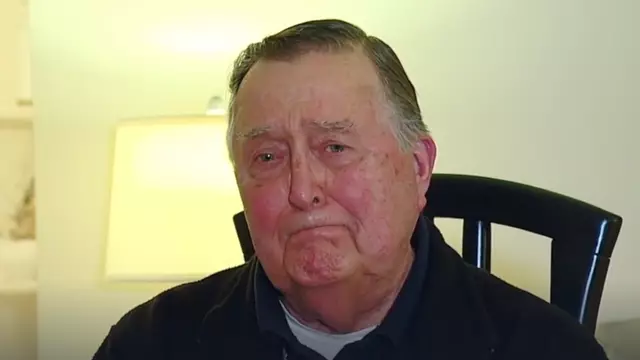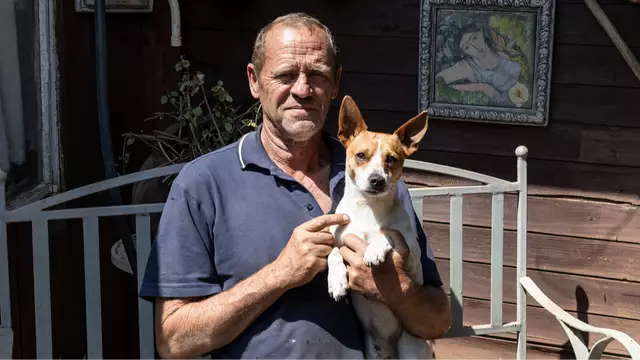
Ben Zand’s documentary explores Kleinfontein, a ‘whites-only’ town near Johannesburg, South Africa. Learn about the town’s strict racial rules and how its residents justify their exclusionary practices in post-apartheid South Africa.
A filmmaker has bravely unveiled the secretive and exclusionary world of Kleinfontein, a controversial ‘whites-only’ neighborhood located just an hour’s drive from Johannesburg, South Africa. In his documentary series Human, Ben Zand takes viewers behind the gates of this isolated community to explore what life is really like in a town with strict, racially exclusive rules.
Kleinfontein is home to around 1,000 residents, and the town is self-sustained with its own bank, school, and shopping center. On the surface, it appears as a quaint and tight-knit community, but beneath its peaceful exterior, there are deeply troubling criteria for residency.
Strict Criteria for Residency: A Racially Exclusive Community
To live in Kleinfontein, individuals must meet several requirements: they must be Protestant Christians, speak Afrikaans, be descendants of Voortrekkers (the Dutch-speaking pioneers of South Africa), and—most notably—be white. These strict rules have made the town a symbol of segregation in the post-apartheid era.
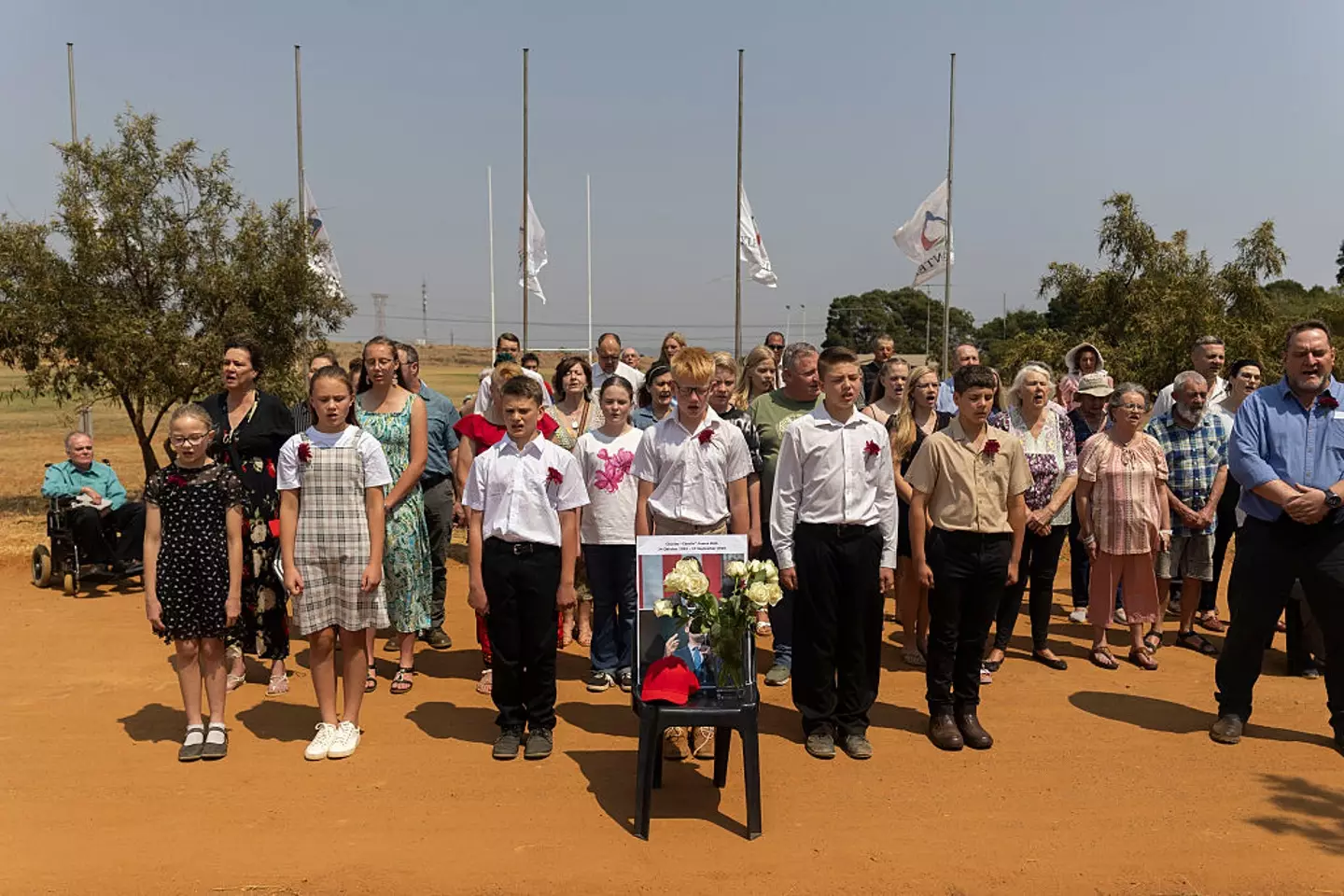
Ben Zand, a mixed-race British-Iranian filmmaker, ventured into Kleinfontein to document this insular world. Despite the challenges of entering a community built on exclusion, Zand was driven by the need to understand how such a place continues to exist in modern South Africa, nearly three decades after apartheid officially ended under Nelson Mandela’s leadership.
A Town with a Dark History
Kleinfontein was founded in 1992, two years after the dismantling of apartheid. Shockingly, the town honors Hendrik Frensch Verwoerd, the former Prime Minister of South Africa, widely considered the architect of apartheid. A monument to Verwoerd proudly stands in the heart of the town, underscoring the troubling ideology that still permeates the community.
Although the town’s spokesman, Ben Geldenhuys, denies that Kleinfontein’s existence is rooted in racism, his defense of the town is problematic. He argues that there was nothing wrong with separate communities in the past, comparing the town’s exclusivity to historical German or Frankish communities. When questioned about integrating non-white people, Geldenhuys stated, “Let the people who want to integrate do so. The people who don’t, let them.”
Despite the town’s professed openness, Zand was told that, as a non-white person, he would likely be denied permanent residency if he ever asked to settle there. His arrival was met with a chilly reception; a resident immediately told him he would “never fit in.”

An Unexpectedly Welcoming Atmosphere… or a False Front?
While the reception seemed unwelcoming at first, Zand noted that the residents were surprisingly friendly after the initial awkwardness. He described their hospitality as “insanely welcoming,” with many residents eager to share their side of the story. “They were so excited that I was there, and kept saying to me that they felt misunderstood,” Zand explained in an interview with The Metro. “They think they’re right, but they just haven’t been heard yet.”
However, Zand couldn’t ignore some unsettling moments. Some residents referred to him as the “Prince of Persia,” a remark he initially laughed off, though it reflected the town’s strange assumptions about his identity. He later discovered that this was based on a random family legend that some residents had Googled.
Despite these bizarre interactions, Zand reflected on the deeper lessons learned from his time in Kleinfontein. “The thing that makes us fantastic is that we create communities and love one another,” he said. However, he noted that the town’s sense of togetherness has come at a high cost—its residents’ exclusion of those outside their race and culture.
The Collective Strength of Kleinfontein
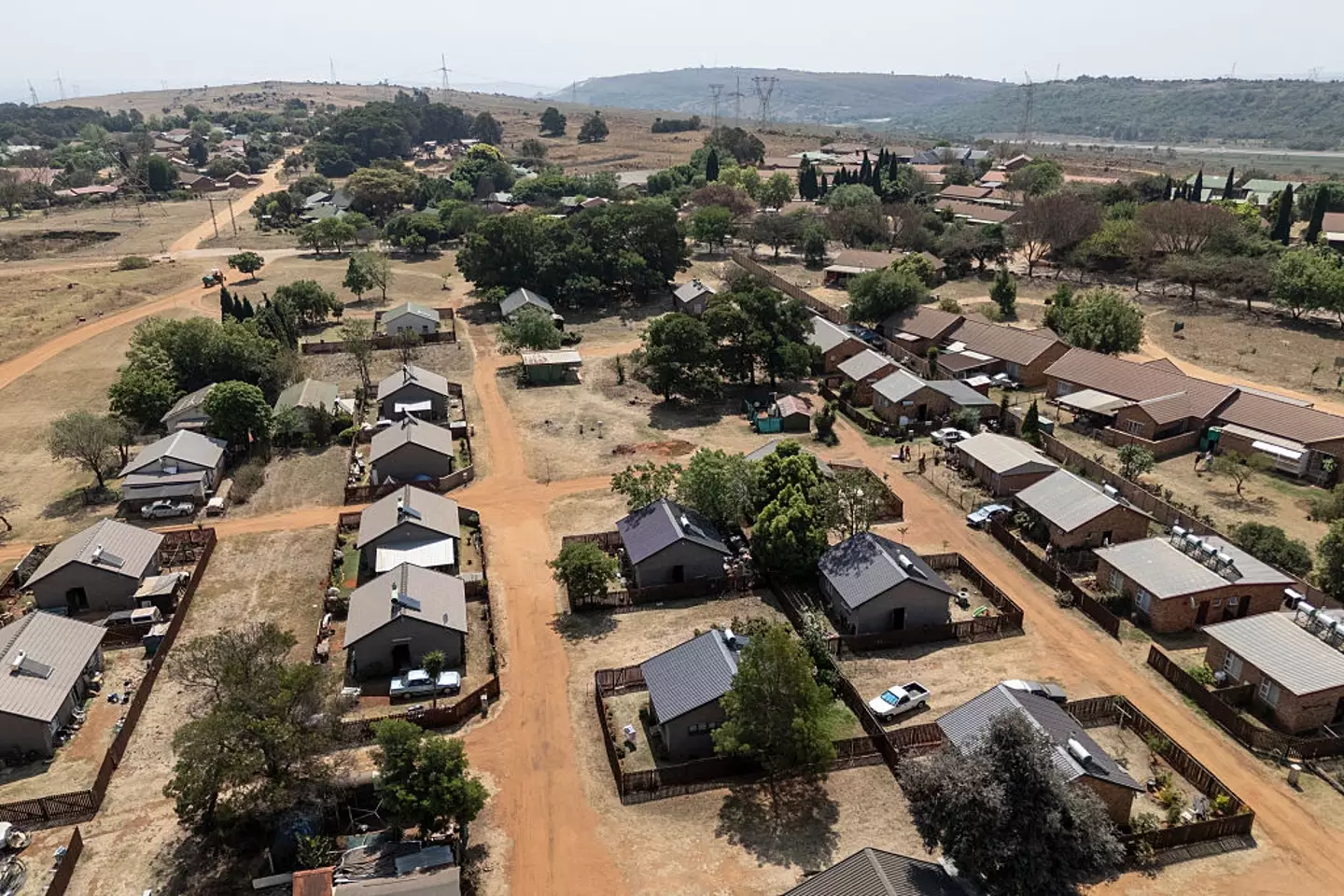
The residents of Kleinfontein have built a self-sustaining community, pooling their resources to fund schools, hospitals, and other vital infrastructure. Zand acknowledged that this communal effort was impressive, but he also recognized the darker side of their unity. “They’ve banded together against other people whom they hate,” he stated. “We need a sense of identity that goes beyond our race and culture.”
The town of Kleinfontein represents a complex and troubling facet of South Africa’s ongoing struggle with race, identity, and unity in the post-apartheid era. While the residents are undoubtedly close-knit and protective of one another, their exclusionary practices remain a stark reminder of how far the country still has to go in overcoming its deeply entrenched racial divisions.
Conclusion: Lessons Learned from an Exclusionary Community
Ben Zand’s exploration of Kleinfontein provides crucial insights into a community that, while functional and peaceful on the surface, remains rooted in a dark past of racial exclusion. His documentary reminds us that, while creating strong communities is important, it must never come at the expense of inclusivity and mutual respect across racial and cultural lines.