Russia has issued a chilling threat targeting 23 locations in the UK, raising fears of World War Three. Senior Russian official Dmitry Rogozin has warned Britain would face severe consequences for supporting Ukraine. Read more about the escalating tensions between Russia and the West.
In a disturbing escalation of tensions, Russia has threatened to strike 23 locations across the United Kingdom, sparking widespread fears of World War Three. The chilling warning came after a map of the proposed targets surfaced online, creating panic and uncertainty.
A Dangerous Warning from Dmitry Rogozin
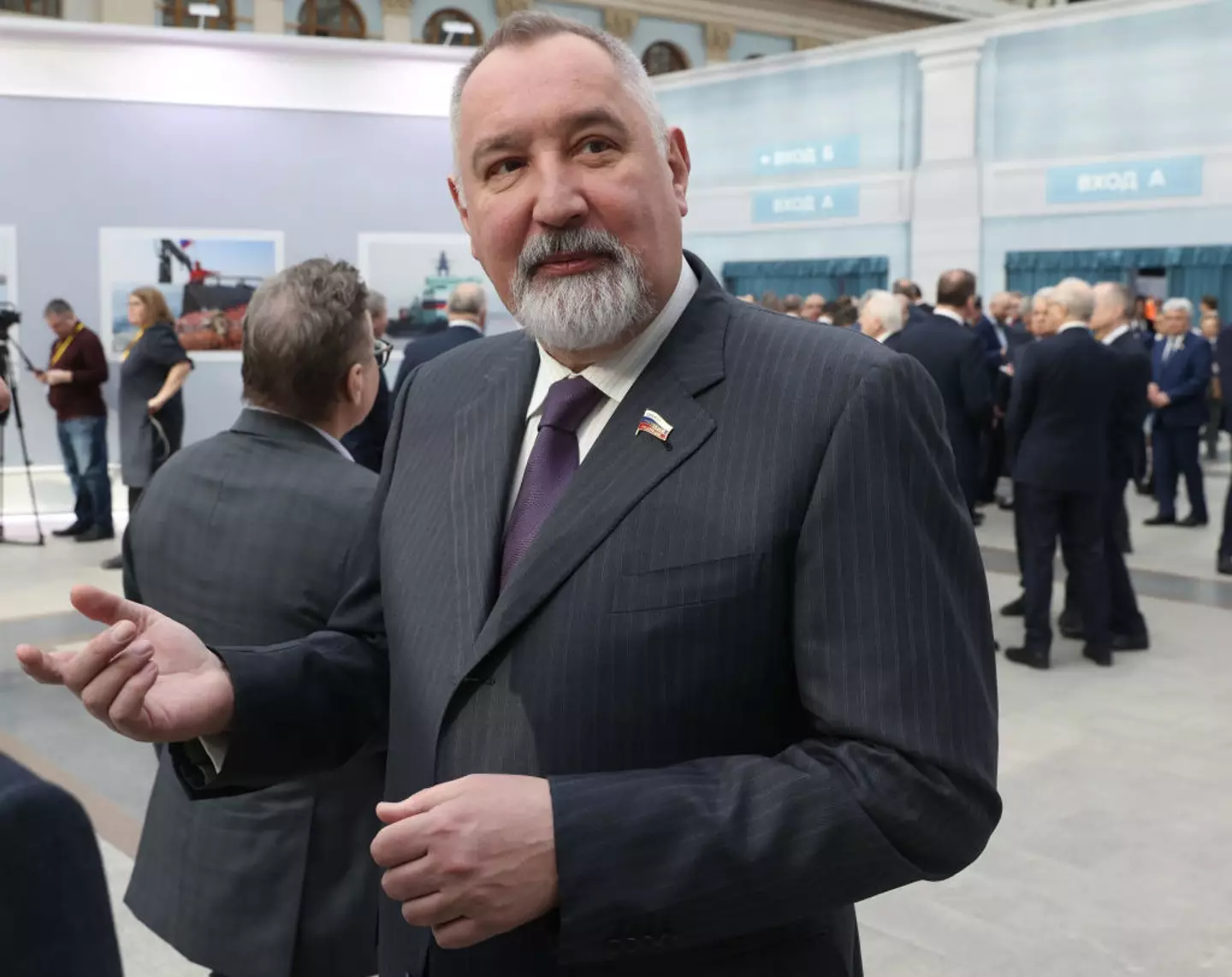
Dmitry Rogozin, a senior Russian official and former deputy prime minister, posted the threatening map on social media, identifying key military and industrial sites in England, Scotland, Wales, and Northern Ireland. The locations were lifted directly from the UK government’s Defence Industrial Strategy 2025 document, which outlines vital defense infrastructure.
Rogozin, a veteran combat official, claimed that Britain would face severe consequences if it continued supporting Ukraine against Russian aggression. He expressed his fury over comments made by former UK defense secretary Ben Wallace, who had suggested that Ukraine should make Crimea “uninhabitable” for Russia through long-range strikes. Rogozin’s response was both fiery and provocative, warning that Britain would become “deadly dangerous” if it kept up its support for Ukraine.
The Escalating Tensions Between Russia and the West
The situation intensified when Rogozin posted a scathing comment on the remarks made by Wallace, who had argued that Ukraine should focus on disabling Crimea, making it unviable for Russia. Rogozin responded sharply, calling the comments a dangerous revelation of Western intentions. He warned, “It is even good that they reveal their true intentions. It is useful to read this for those who still think peace with imperialist aggressors is possible.”
Vladimir Solovyov, a well-known Kremlin TV host, further fueled the tension by echoing Rogozin’s message. He threatened retaliation, stating that Russia would deploy its Poseidon nuclear drone to erase Britain “overnight.” The dangerous rhetoric has added to the growing concern about a potential escalation between Russia and NATO.
Russia and NATO: A Dangerous Standoff
Tensions between Russia and NATO have been steadily rising. Estonia recently accused Russia of violating its airspace with MiG-31 jets, an unprecedented move that was deemed “brazen” by Estonian officials. Meanwhile, Poland reported multiple breaches of its airspace by Russian drones, prompting NATO consultations under Article 4 of the alliance’s treaty.
In response, former US President Donald Trump made a provocative statement, suggesting NATO countries should “shoot down Russian planes” if these violations continued. This remark was met with harsh criticism from Moscow’s ambassador to France, who warned that such actions would constitute an act of war.
Unsettling Threats and the Potential for Nuclear Retaliation
One of the most unsettling aspects of the threat is the mention of Russia’s Poseidon nuclear drone. This state-of-the-art weapon, capable of devastating cities, was described by Solovyov as a potential tool for erasing Britain “overnight.” The Kremlin’s use of nuclear threats continues to cast a dark shadow over the ongoing conflict and the already fragile international relations.
Additionally, Russian state TV has fueled further anxiety by suggesting that the wreck of a World War II ship, laden with 1,400 tonnes of explosives, could be blown up in the Thames Estuary as “revenge” for the UK’s involvement in strikes on Russian oil refineries.
The Path Forward: What’s at Stake
With escalating threats, the world watches with bated breath as tensions between Russia and NATO reach new heights. As the risk of conflict grows, it remains to be seen how the UK, NATO, and the international community will respond to Russia’s growing provocations.
In this tense global climate, the possibility of a larger-scale conflict looms ever closer, as threats of war and the use of nuclear weapons continue to dominate the conversation.