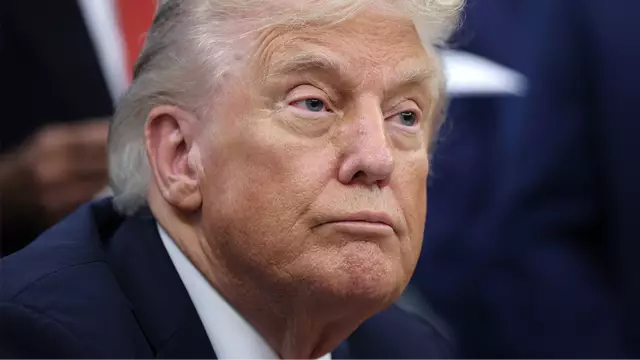
Donald Trump’s tariffs were meant to benefit American farmers, but experts argue that the retaliation from China is actually hurting those who supported him. Learn why Trump’s trade policies have caused a strain on U.S. agriculture.
Donald Trump’s trade policies and tariffs were initially sold as a way to boost the American economy, but for many of the people who voted for him, particularly farmers, these tariffs have had unintended consequences.
When Trump returned to the White House, he promised bold changes, including a series of tariffs aimed at improving the U.S. economy and reducing trade imbalances with countries like China. In April, Trump announced a significant increase in tariffs, boasting that they would give American workers and industries a competitive edge. He claimed that these policies would help secure better trade deals and provide economic relief for American industries.
However, not everyone is benefiting from these tariffs, particularly farmers. One of the groups that Trump touted as a major beneficiary of the tariffs, agricultural workers, are now facing significant challenges. According to Paul Mitchell, a professor of agriculture and applied economics at the University of Wisconsin-Madison, farmers who previously relied on trading agricultural goods with China are among the hardest hit by these policies.
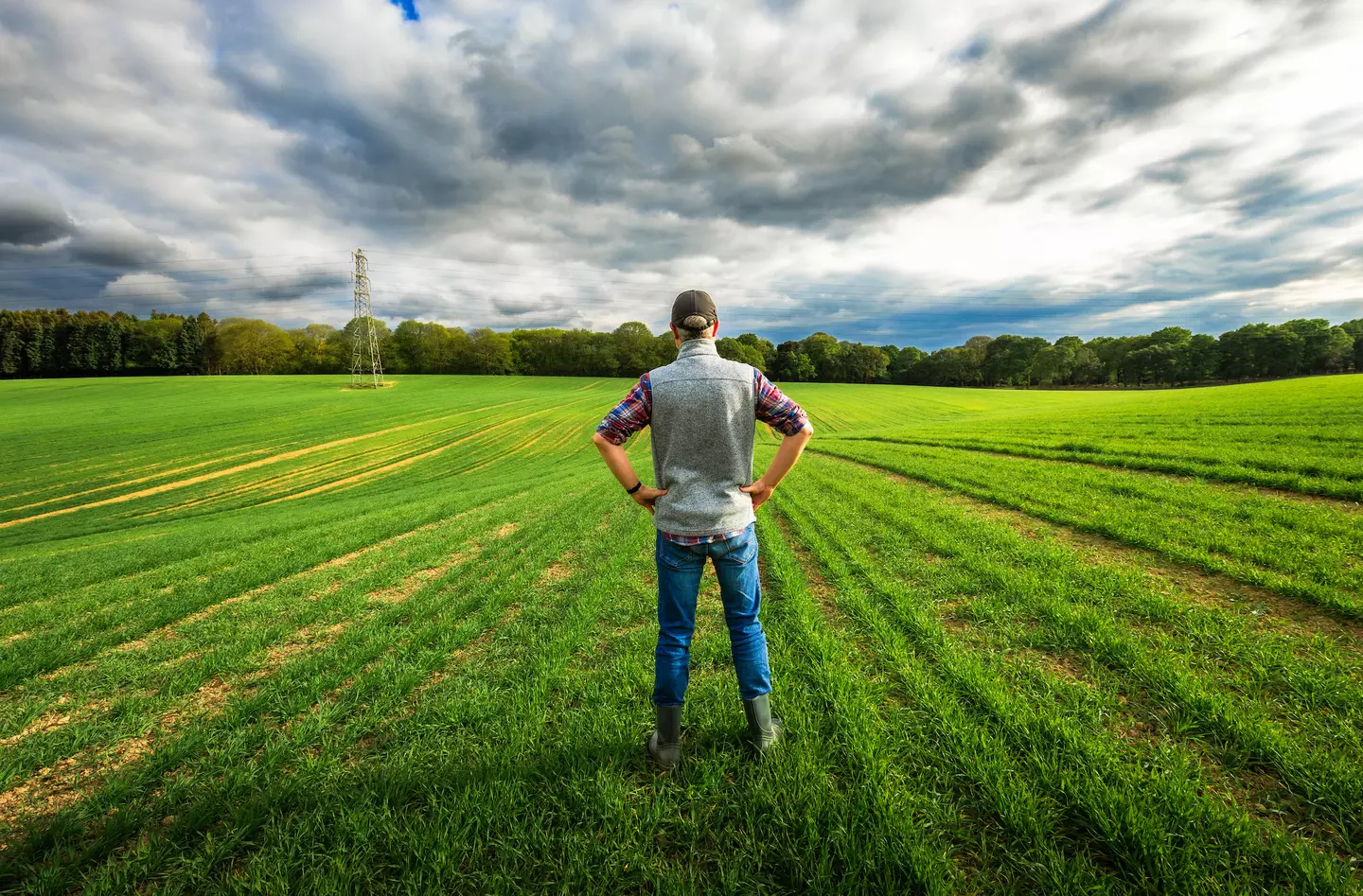
The introduction of tariffs sparked a retaliatory response from China, which refused to buy soybeans from the U.S. — a major blow to U.S. farmers who depend on the East Asian country for export. Mitchell emphasized that soybeans and corn are crucial to U.S. agriculture, representing half of the country’s crop revenue. With China purchasing 60% of the world’s traded soybeans, losing this market has been a severe setback for American farmers.
Trump initially promised that the tariffs would be a “financial boon” for farmers, suggesting that they would thrive as a result of the trade war. In March, he even said, “Our farmers are going to have a field day… I love you,” aiming to reassure the agricultural community. Unfortunately, this prediction hasn’t materialized, and the U.S. agricultural sector is now grappling with a drop in exports and financial strain.
While Trump has acknowledged the impact on farmers, he has also used social media to voice his frustration, condemning China for not purchasing U.S. soybeans and promising financial assistance for affected farmers. In an October 1 post on Truth Social, Trump wrote: “The Soybean Farmers of our Country are being hurt because China is, for ‘negotiating’ reasons only, not buying. We’ve made so much money on Tariffs, that we are going to take a small portion of that money, and help our Farmers.”
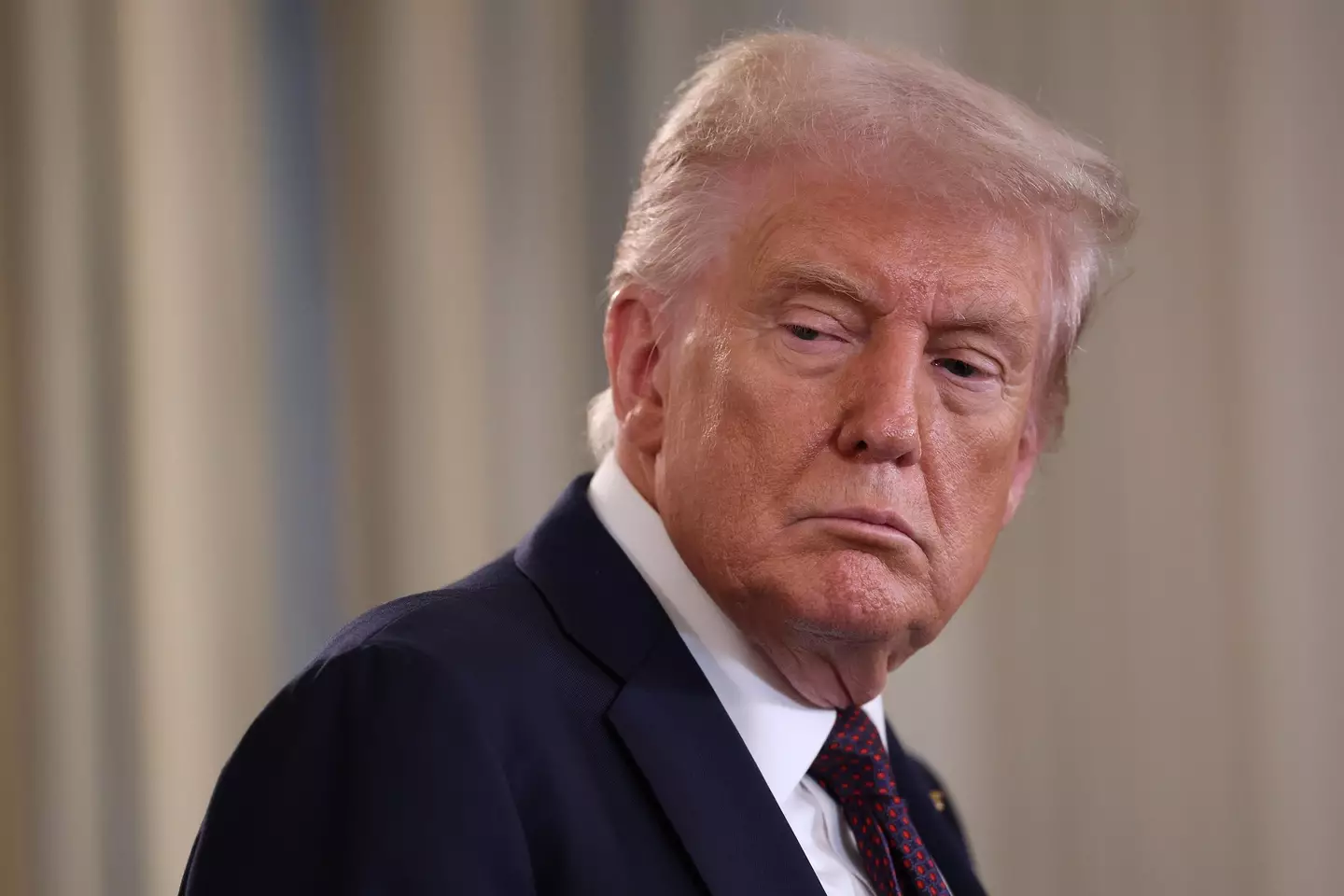
Trump vowed to continue supporting farmers, even claiming that he would address the issue with President Xi of China in upcoming talks. “I WILL NEVER LET OUR FARMERS DOWN!” Trump declared, further reiterating that he would focus on resolving the situation with China and making “Soybeans, and other Row Crops, Great Again!”
Despite Trump’s efforts, experts like Mitchell argue that the tariffs have made things more difficult for farmers, with retaliatory actions from China leaving the U.S. agricultural industry in a tough spot. As the situation continues to evolve, many of the very people who supported Trump’s policies may be feeling the strain of his trade war with China.