Former military leaders criticize Donald Trump’s recent speech to armed forces leaders, accusing him of violating unwritten military rules and making controversial remarks.
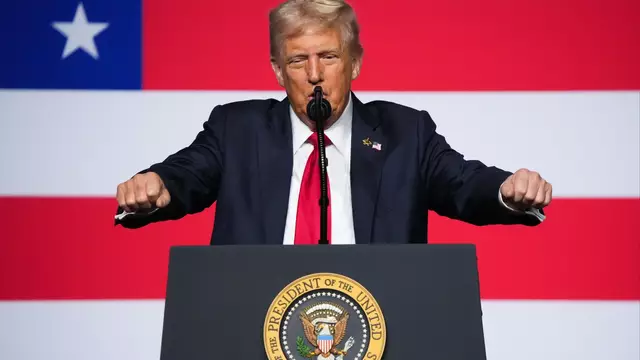
Former military officials are criticizing Donald Trump for what they see as a violation of unwritten military discipline rules during a recent speech to armed forces leaders at Marine Corps Base Quantico in Virginia. Trump’s controversial remarks during the address have sparked backlash from both military veterans and experts in military protocol.
Trump’s Speech and Controversial Statements
In his speech, Trump praised the National Guard for their efforts to address issues like crime, homelessness, and immigration in cities such as Washington, D.C., and Chicago. He also made several bold claims, including asserting that the U.S. is at war “from within” and that the country is “25 years ahead” of Russia and China in the development of nuclear submarines.
However, it was Trump’s choice of words and controversial jokes that really caught attention. He made a remark about there being “two N words” that can’t be said, one of which he identified as “nuclear.” His comments were met with a notable silence from the audience, which Trump awkwardly acknowledged, saying:
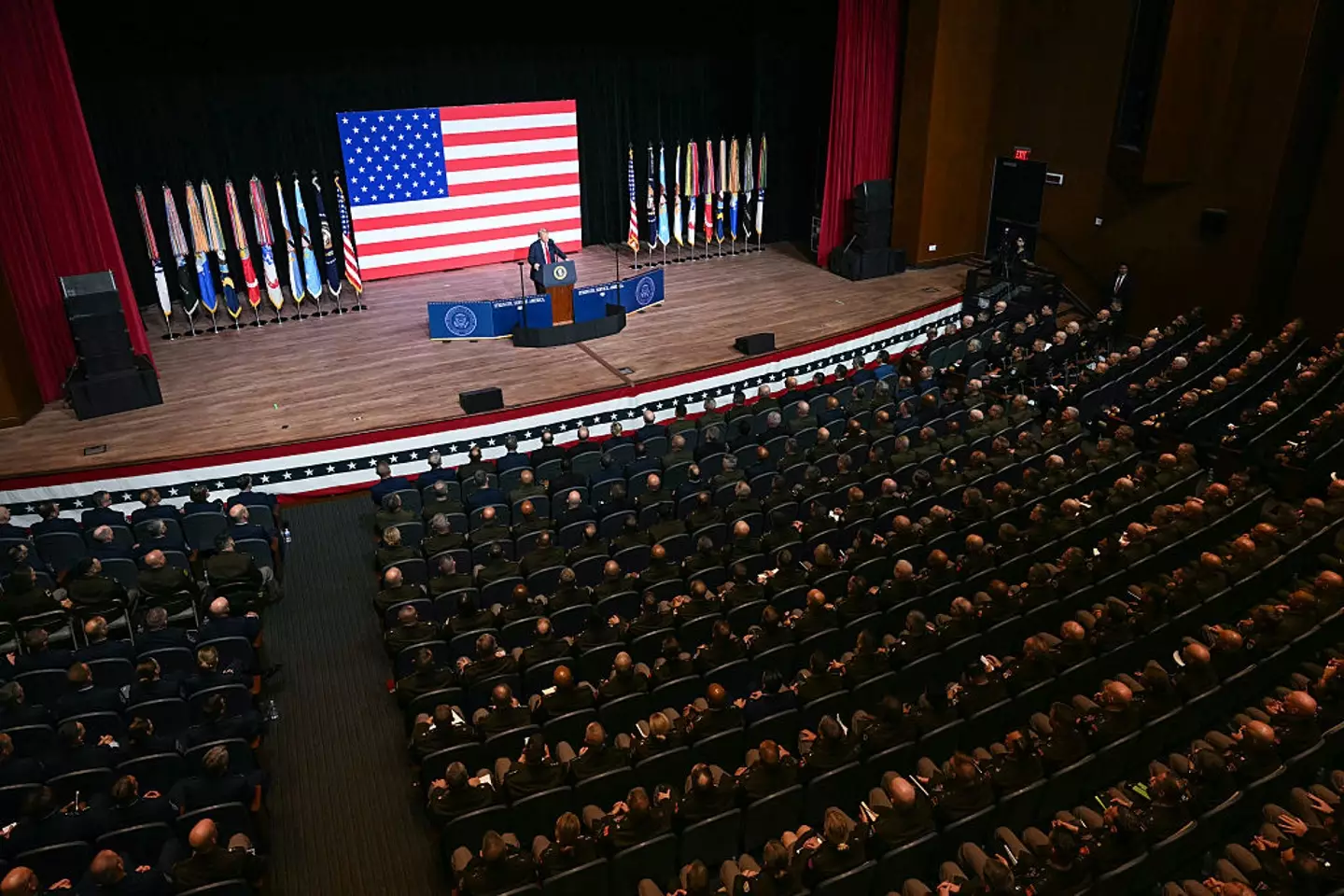
“I’ve never walked into a room so silent before.”
Military Leaders Condemn Trump’s Remarks
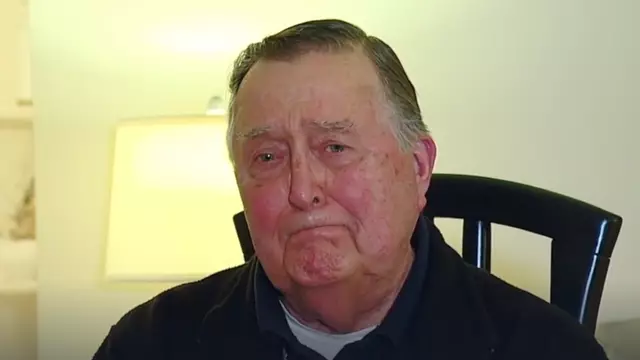
The fallout from Trump’s speech led to harsh criticism from former military leaders. Retired Major General William Enyart appeared on MSNBC, calling Trump’s use of the phrase “enemy from within” “Hitler-esque” and likening it to rhetoric from Nazi Germany, claiming it was not “constitutional speech.”
Lieutenant General Mark Hertling also criticized Trump and Secretary of War Pete Hegseth for breaking an unwritten military rule that dictates military discipline. Hertling explained:
“You praise in public and you discipline in private.” He emphasized that military leaders should avoid public disciplinary actions, especially in front of cameras and the media. Hertling argued that Hegseth’s comments—particularly his criticisms of “woke” culture and gender policies in the military—were inappropriate and violated professional military standards.
Hegseth’s Controversial Comments
Hegseth, a former military officer, added to the controversy with his comments about ending “politically correct” leadership and “woke” cultural practices in the military. He criticized policies like diversity, equity, and inclusion (DEI) and climate change initiatives. His remarks, which included comments about fitness standards for recruits, gender roles, and political correctness, were met with criticism from those who felt they undermined the military’s professionalism and unity.
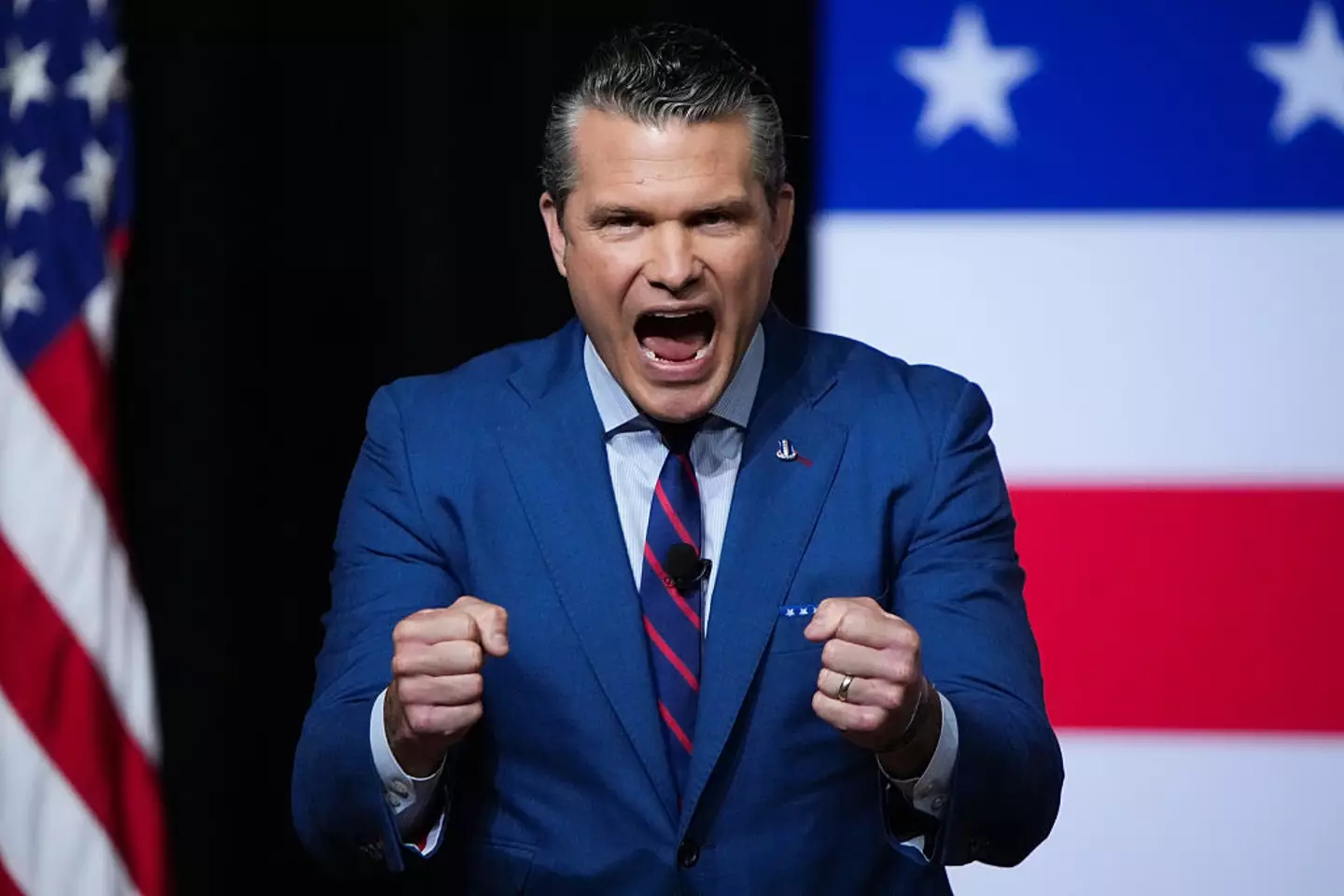
Hegseth declared:
“The era of politically correct, overly sensitive don’t-hurt-anyone’s-feelings leadership ends right now at every level.”
He also argued that certain combat jobs should be exclusive to men, stating:
“If that means no women qualify for some combat jobs, so be it.” Hegseth’s comments on gender and fitness standards were particularly controversial and prompted backlash from those who believe in gender equality in the military.
Concerns Over Potential Violations of Military Ethics
Hertling, along with other veterans, expressed concerns that Hegseth’s leadership style could compel soldiers to disobey orders, particularly if those orders are deemed illegal. Hertling emphasized that military professionals are expected to refuse to execute unlawful orders and that Hegseth’s comments might place them in a difficult position.
Hertling also pointed out that the notion of “lumping” all female soldiers into one group could damage morale and undermine the contributions of women in the military.
Trump’s Influence on Military Discipline
The speech and subsequent reactions have sparked wider discussions about the role of political leadership in military matters, as well as the importance of maintaining military discipline, unity, and professionalism. Critics argue that Trump’s rhetoric and Hegseth’s public statements may have lasting consequences on the relationship between the military and the public it defends.