Donald Trump’s recent speech to military leaders at Marine Corps Base Quantico has drawn criticism. A retired general claims he and Secretary Pete Hegseth broke an unwritten military rule of leadership.
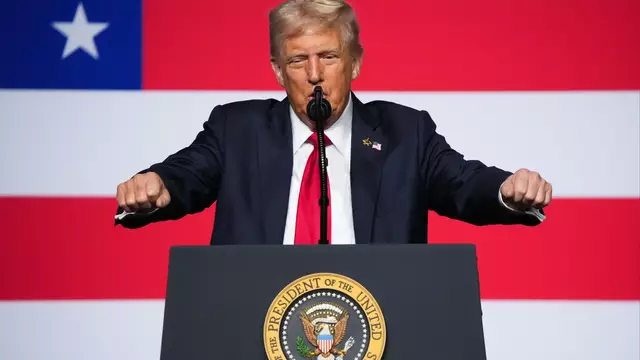
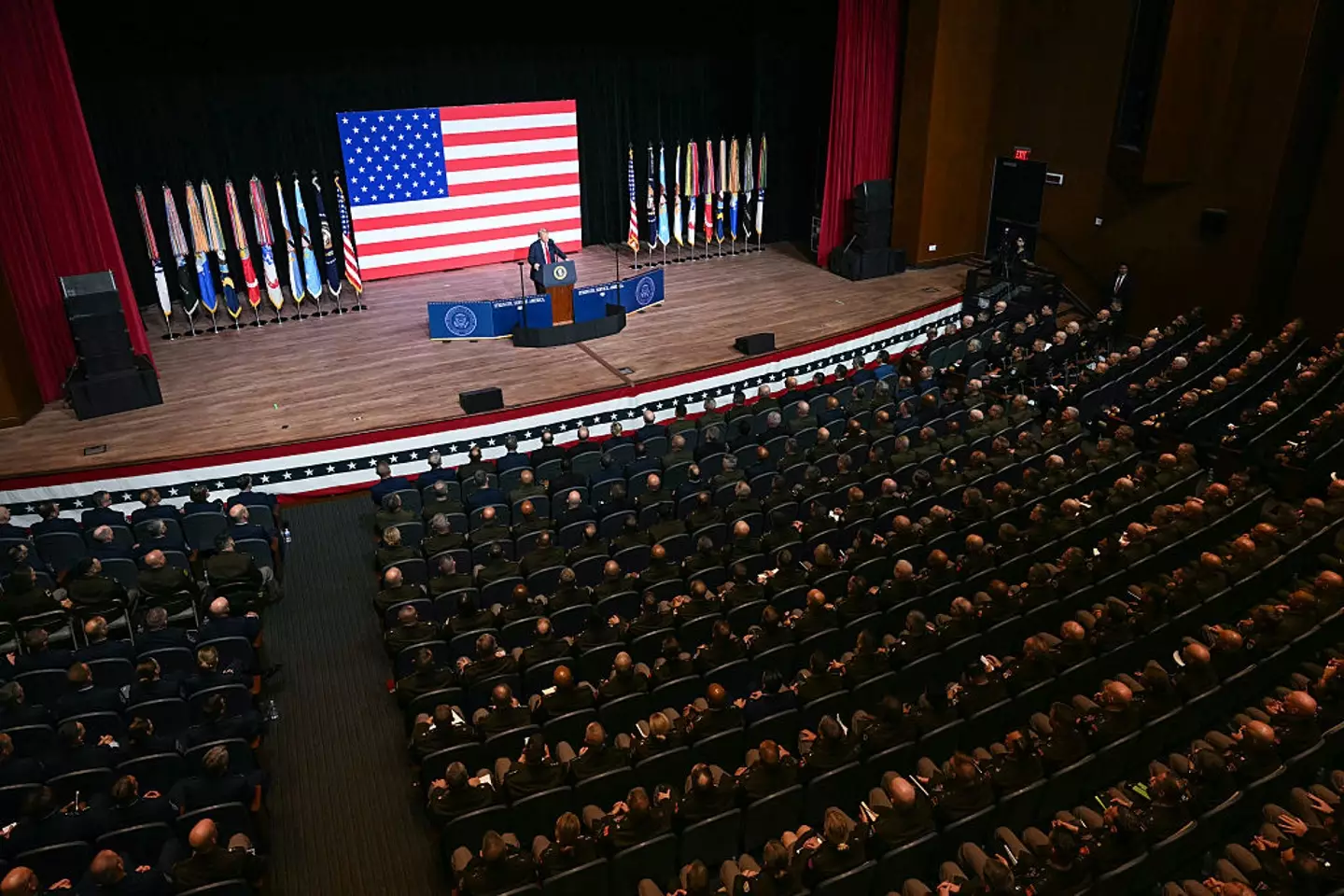
Donald Trump has sparked controversy after his speech to military leaders at Marine Corps Base Quantico in Virginia this week. The president, while praising the National Guard for its work in Washington, D.C., and Chicago, made several controversial statements that have drawn backlash from military experts and former officials.
In his speech, Trump discussed his plans to tackle crime, homelessness, and immigration. He even claimed that the United States is at war “from within” and stated that the country is “25 years ahead” of Russia and China when it comes to nuclear submarines. The president also made a troubling comment involving the use of the “N word,” referring to “nuclear,” which was widely criticized for its awkward phrasing.
The speech was met with near-complete silence, an awkward moment that Trump himself addressed during his remarks: “I’ve never walked into a room so silent before,” he said, attempting to break the tension.
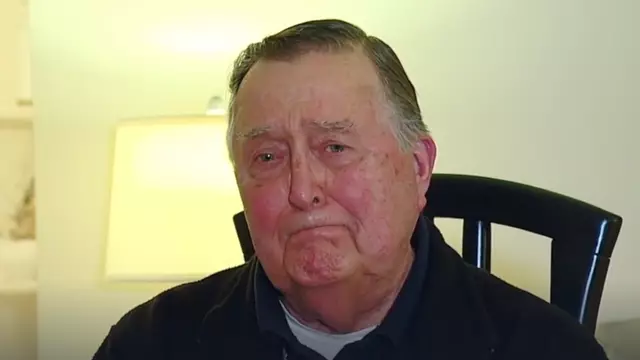
However, it wasn’t just the content of his speech that drew criticism. Retired Major General William Enyart appeared on MSNBC and condemned Trump’s choice of words, particularly his reference to an “enemy from within.” Enyart compared the rhetoric to that of Nazi Germany, calling it “Hitler-esque” and a violation of constitutional speech.
But it wasn’t just Trump who came under fire. Former Lieutenant General Mark Hertling accused Trump and Secretary of War Pete Hegseth of breaking an unwritten rule of military discipline. Hertling noted that military leaders are taught the principle: “Praise in public, discipline in private.” Yet, in this public setting, Hegseth publicly criticized the military’s “woke” culture, targeting issues like the presence of “fat troops,” long hair, beards, and even women in combat roles. His comments drew further criticism for perpetuating divisive language and creating an uncomfortable atmosphere among the troops.
Hertling described how military personnel likely felt “embarrassed” by the public spectacle, as hundreds of troops were summoned to the base without prior warning, only to witness the public scolding. He argued that this undermined the professional image of the military, separating it from the people it defends.
Hegseth’s remarks included: “The era of politically correct, overly sensitive don’t-hurt-anyone’s-feelings leadership ends right now at every level. No more identity months, DEI offices, dudes in dresses, no more climate change worship, no more division, distraction or gender delusions.”
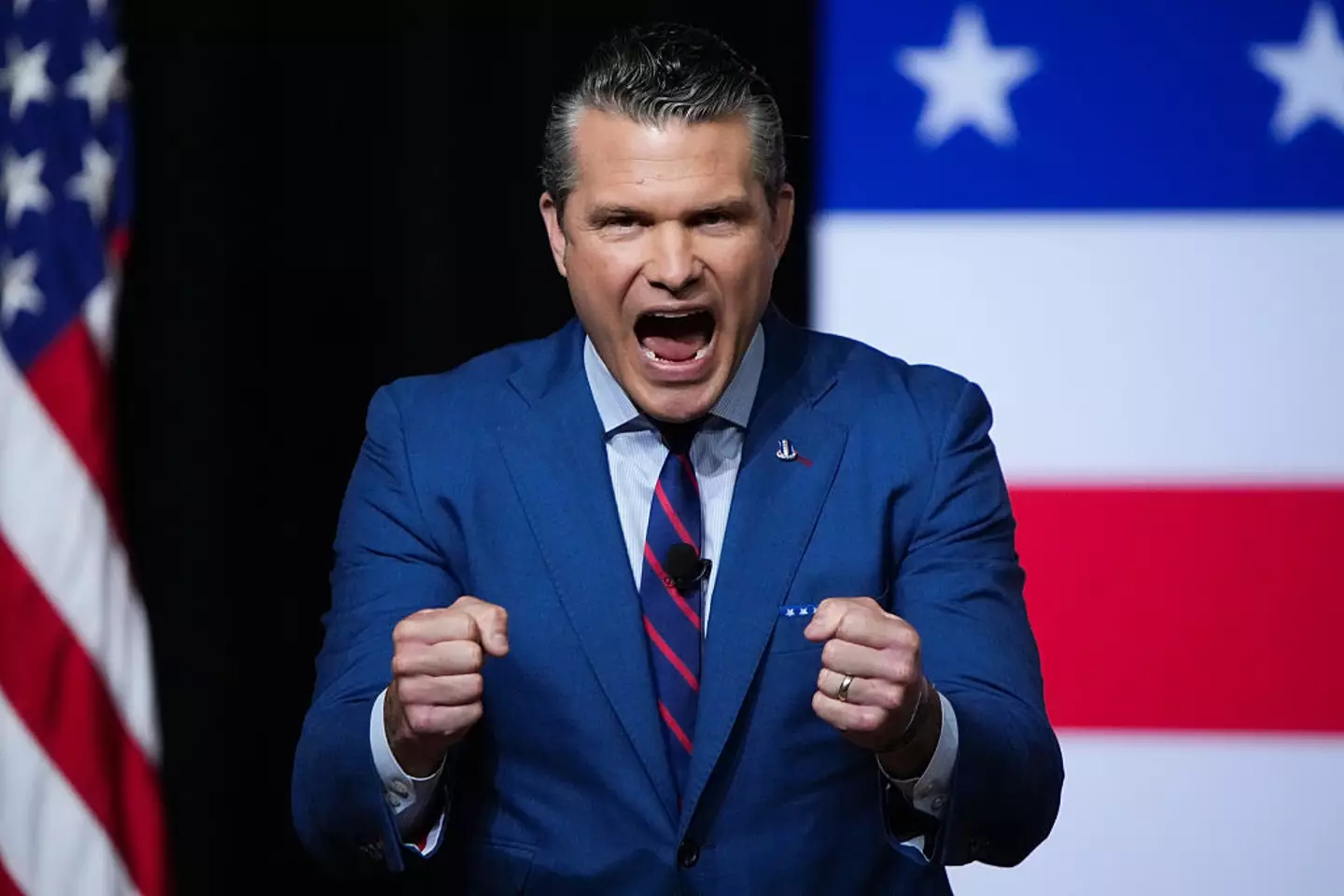
He also stressed the need for enhanced fitness standards, claiming, “If that means no women qualify for some combat jobs, so be it.” His remarks caused a stir, as many questioned his stance on gender equality within the military. Hertling further commented on the divisiveness of Hegseth’s speech, noting that many officers would feel compelled to disobey his demands, particularly when it came to potentially illegal actions.
“You know, I’ve got women in my ranks who are performing admirably,” Hertling said. “Why should I kind of lump them all together like the secretary did?”
The controversy surrounding Trump and Hegseth’s public remarks has only intensified the debate over military leadership and how it should be handled. Critics argue that these statements risk eroding the professionalism and integrity of the military, potentially leading to confusion about orders and military conduct.