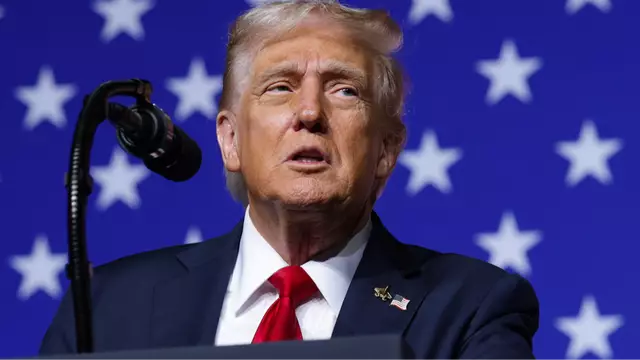
Donald Trump delivered a controversial speech to military leaders, claiming the U.S. is at war internally and pledging to deploy the military to address domestic issues. His statements on the military and “dangerous cities” have sparked outrage.
In a recent speech to military leaders on September 30, 2023, former President Donald Trump made headlines with his alarming comments about the state of the nation. Speaking to military officials, Trump asserted that the United States is facing an internal war, pledging to deploy the military to address what he described as an “invasion from within.”
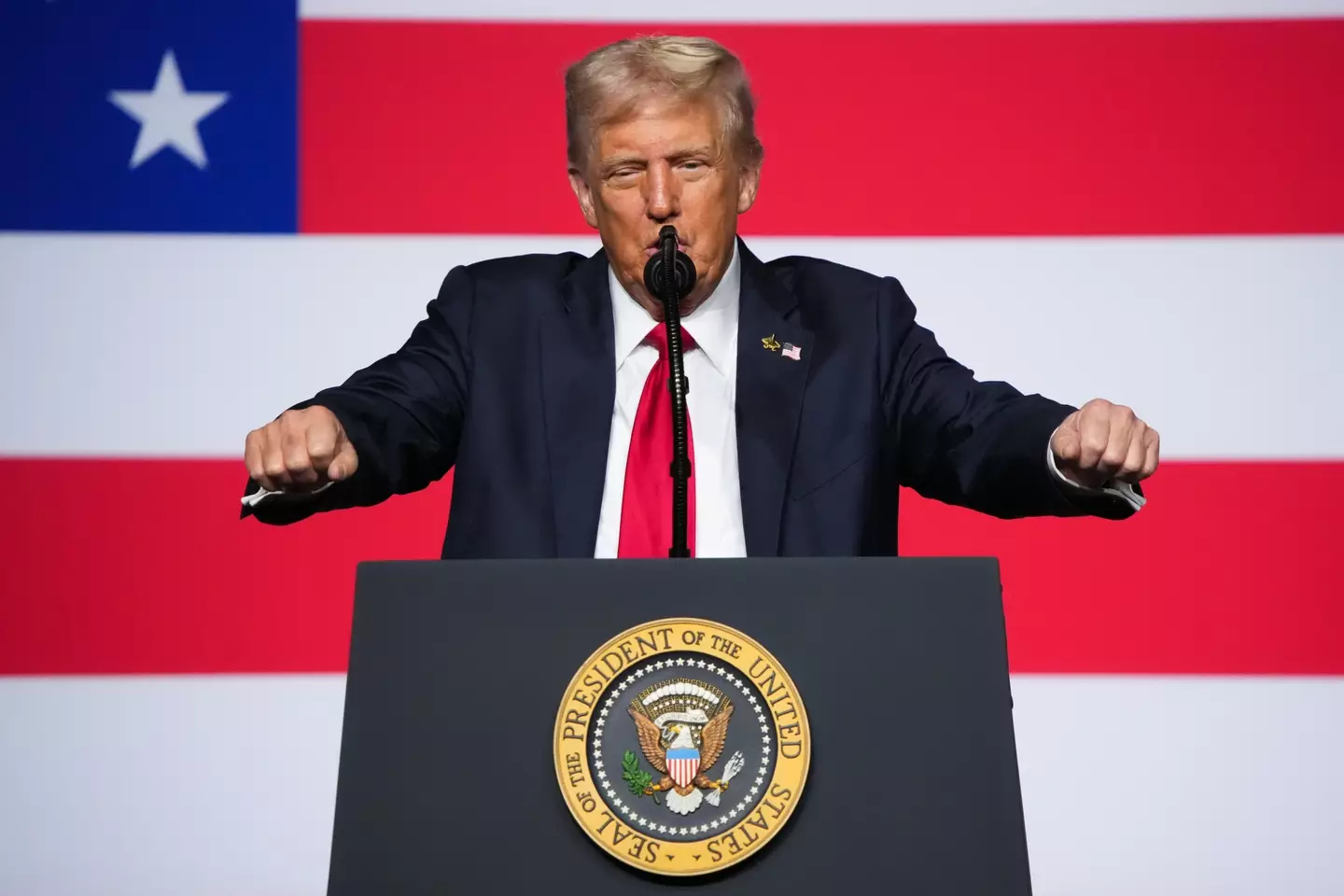
Trump’s rhetoric during the speech, which was met with shock and backlash, centered around his vision for refocusing the military to assist domestic law enforcement. He lauded the National Guard troops deployed in Washington, D.C., in August 2023, who were tasked with assisting ICE and the Department of Homeland Security.
Trump’s Vision for a Military Role in Domestic Affairs
Trump outlined his vision for a more active military role in managing domestic issues, specifically addressing what he sees as “unsafe” Democrat-led cities. According to Trump, these cities represent a significant challenge to national security, and he vowed to “straighten them out one by one.”
He referred to this effort as a “war from within” and emphasized the importance of controlling the U.S. borders. He stated, “Controlling the physical territory of our border is essential to national security. We can’t let these people in,” referring to immigration issues.
Trump’s comments about the country being “under invasion from within” have sparked outrage, with many criticizing the inflammatory language. The use of the word “invasion” has led to debates about the rhetoric used in political discourse.
Trump to top military officials: “I told Pete, we should use some of these dangerous cities as training grounds for our military. National Guard, but our military. Because we’re going into Chicago very soon. That’s a big city with an incompetent governor. Stupid governor.” pic.twitter.com/v9gb2OhhcJ
— Aaron Rupar (@atrupar) September 30, 2025
Controversial Remarks About U.S. Cities and National Guard
One of the most contentious aspects of Trump’s speech was his suggestion to use “dangerous cities” like Chicago as “training grounds” for the military. He called out the city’s leadership, describing its governor as “incompetent,” and indicated that military action could be taken soon.
Trump’s comments about domestic military action were met with strong reactions on social media. Critics labeled his speech as “insane” and “humiliating,” with many questioning the appropriateness of his remarks in front of military leaders.
One Twitter user commented, “Are you guys watching this Trump speech to military leaders? It’s a slurring, inane, low energy, rambling, humiliation for the United States.” Another user wrote, “He truly is AMERICA’s SHAME… The fact that people around the world are watching this is such a humiliating embarrassment.”
Trump’s Warnings to Russia and China
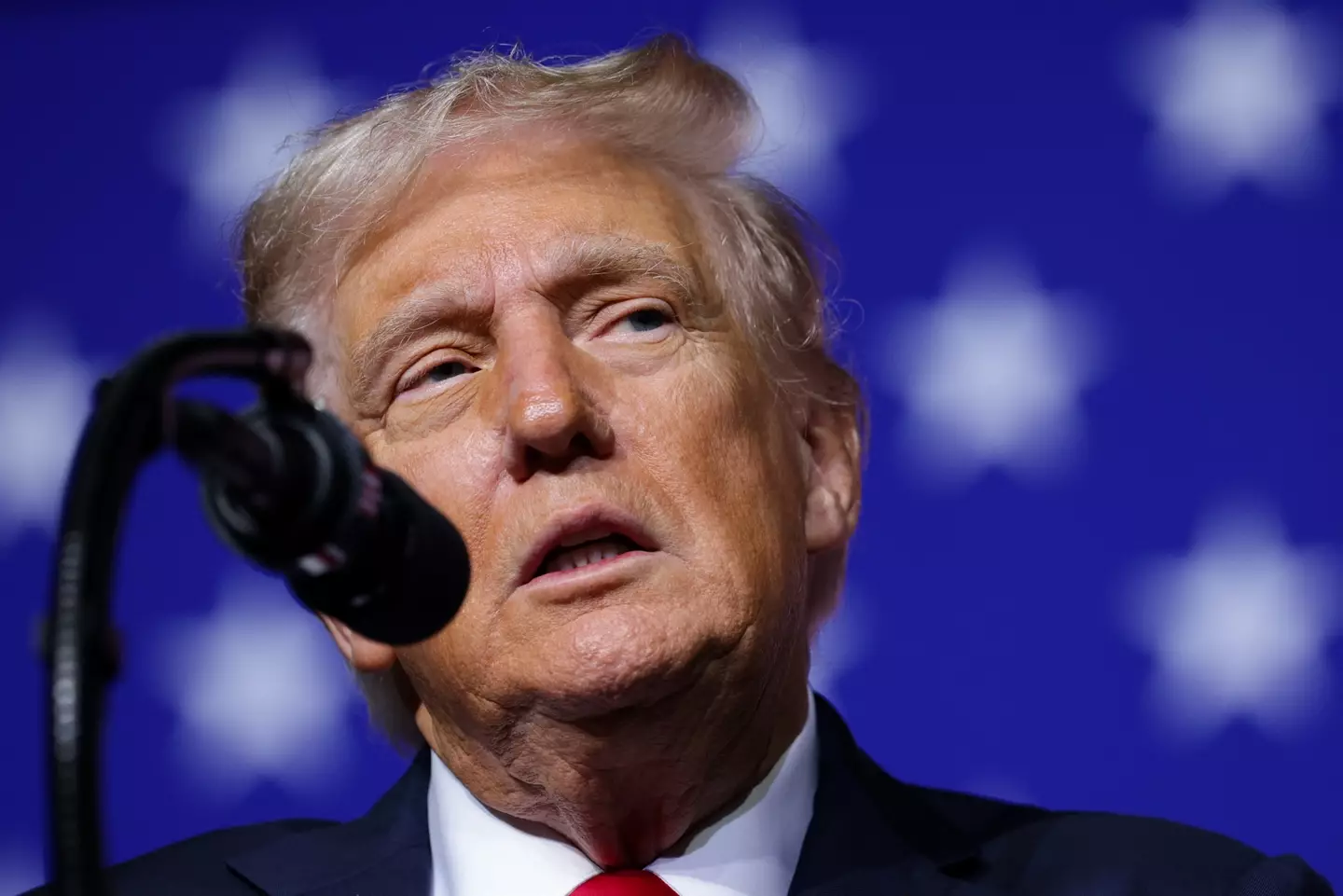
Trump also used the opportunity to warn Russia and China, asserting that the U.S. is “25 years ahead” of both nations in nuclear submarine technology. He claimed that the U.S. possesses the most lethal, undetectable nuclear submarines, which he described as “the most lethal weapon ever made.”
“We have more than anybody else,” Trump stated. “We have better, we have newer, but it’s something we don’t ever want to even have to think about.”
Trump’s comments on the U.S. military’s superiority were aimed at projecting strength but have added to the controversy surrounding his speech and broader political rhetoric.
Backlash and Criticism
Trump’s speech has drawn sharp criticism from both political opponents and members of the military. Critics argue that his language is dangerous, inflammatory, and unfit for a leader, particularly when discussing the role of the military in domestic affairs.
The call for drastic military action within U.S. cities, especially targeting specific local governments, has raised alarms about the erosion of democratic norms and the potential for authoritarian tactics.