The US Department of State has issued a “reconsider travel” warning for Madagascar amid rising protests, unrest, and violence. Learn about the situation and how it affects travelers.
The US Department of State has issued an urgent “reconsider travel” warning for Madagascar following a rapid escalation in civil unrest. The country has been gripped by widespread protests, sparked by ongoing power cuts, water shortages, and frustrations with the government’s handling of these issues.
The US warning, which has been upgraded due to crime and instability, urges US citizens to stay in place and avoid areas with protests or demonstrations. The advice highlights that protests can erupt suddenly, especially after dark, and recommends extreme caution for those traveling to or currently in Madagascar.
What’s Happening in Madagascar?
Protests have been sweeping Madagascar, particularly in the capital, Antananarivo, and spreading to several other cities across the country. The protests, primarily led by young people, are driven by frustrations over power outages and the lack of reliable water supply. The slogans “We want to live, not survive” have become a rallying cry for demonstrators.
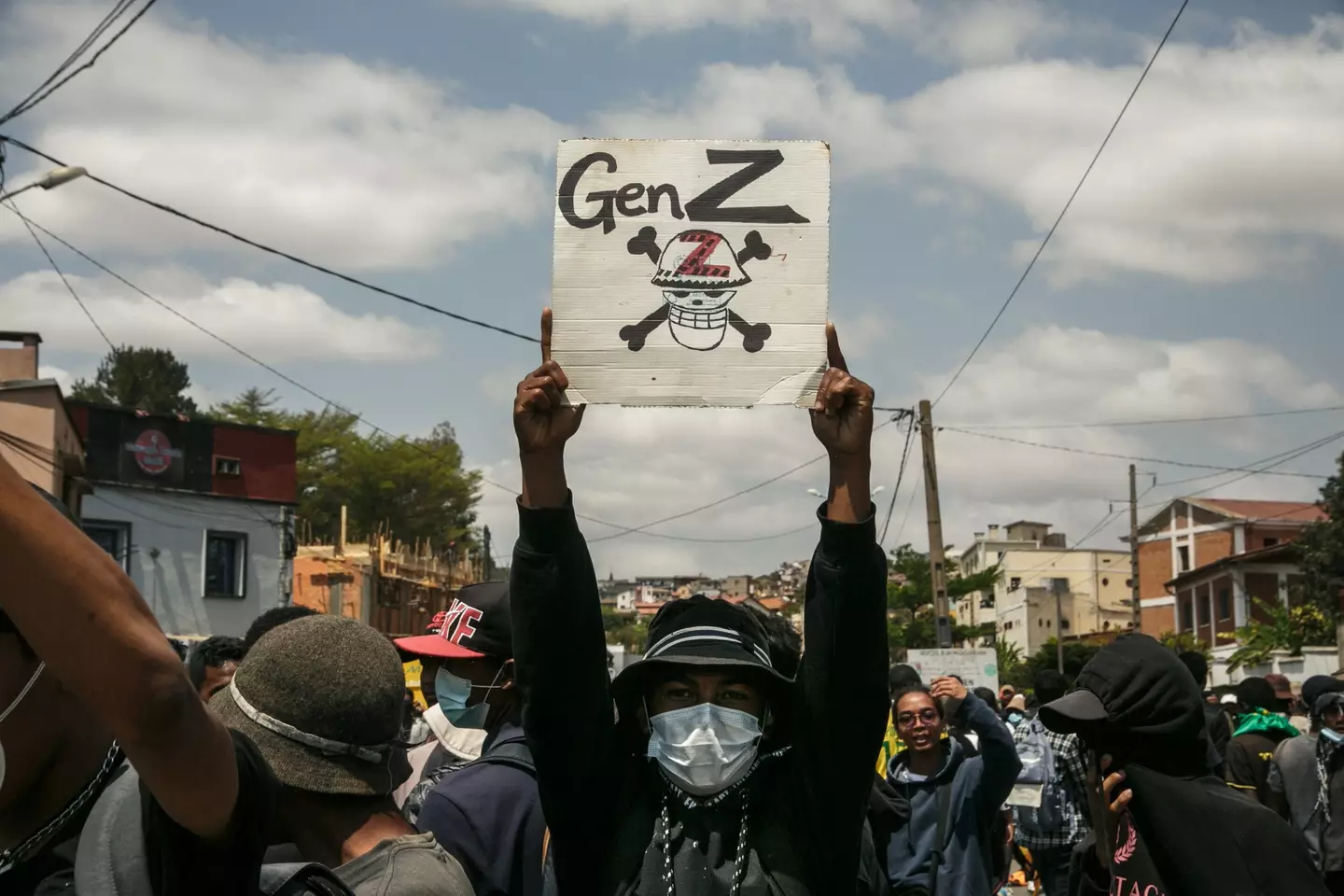
Since the protests began on September 25, at least 22 people have been killed, and hundreds more have been injured as security forces respond with tear gas, rubber bullets, and reports of live bullets being used. The violence has escalated, with the United Nations condemning the use of excessive force against protesters.
In response to the unrest, President Andry Rajoelina dissolved his government, acknowledging the failures in managing the country’s power and water crisis. He expressed understanding for the anger and suffering caused by these ongoing issues.
Escalating Unrest and International Condemnation
The situation has grown dire as the civil unrest has spread to multiple cities, and the use of force against protesters has intensified. The UN’s Volker Türk, the head of the UN High Commissioner for Refugees, condemned the use of “unnecessary and disproportionate force” by Madagascar’s security forces and called for the immediate release of those arrested during protests.
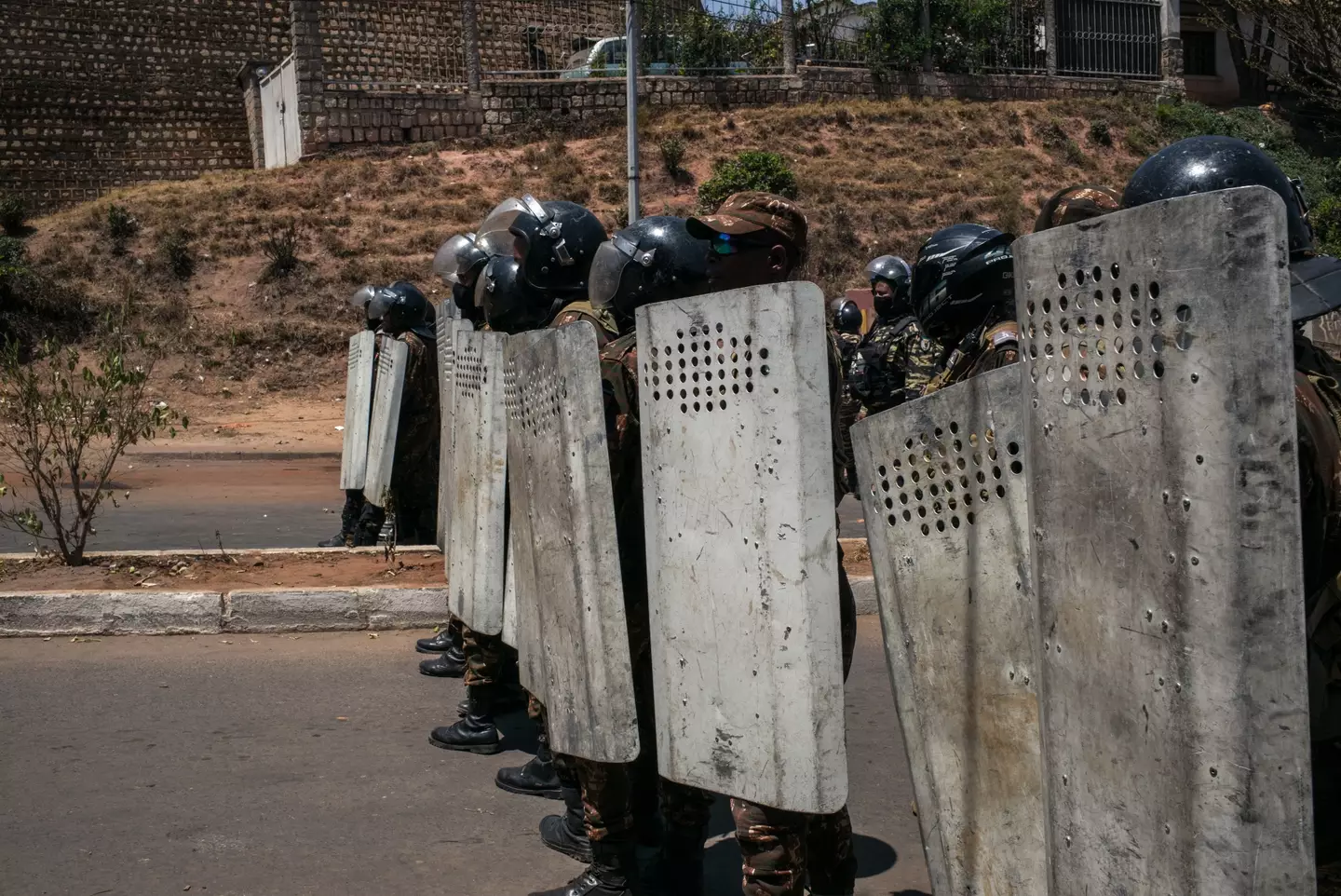
The UN has confirmed that the casualties include both protesters and innocent bystanders who were caught in the violence, as well as victims of looting and clashes between rival groups.
Social media and symbols used in other global “Gen-Z” protests, such as in Nepal, have also played a role in the rapid mobilization of these protests, further amplifying the unrest in Madagascar.
Travel Advice for US Citizens
Given the volatility of the situation, the US Department of State is urging US citizens to reconsider travel to Madagascar at this time. The warning emphasizes that the situation is fluid and could worsen quickly, making it crucial for travelers to stay informed and exercise caution.
For those already in Madagascar, the advice is to avoid areas where protests are happening, remain indoors when possible, and keep a low profile to reduce the risk of encountering violence or unrest.