The US government has shut down after failed negotiations, and it will severely affect federal employees, travel, and essential services. Learn about the devastating impacts of the shutdown on everyday Americans.
The United States federal government has officially shut down after a deadlock between President Donald Trump and Congressional Democrats, marking the first government shutdown since 2018. The shutdown will have far-reaching consequences for thousands of ordinary Americans, disrupting essential services and halting pay for federal employees.
What is a Government Shutdown?
A government shutdown occurs when Congress fails to pass a funding bill for federal agencies, forcing many non-essential government functions to cease. This means that national parks, travel, and other public services will be impacted. Agencies dependent on funding will close their doors, leaving workers furloughed and operations suspended.
While the Senate is working on finding solutions, the timeline for resolution remains uncertain, and the effects are already being felt by thousands across the nation.
How Will the Shutdown Affect Americans?
Federal employees are expected to be hit the hardest. Those who work for non-essential services will not be paid until the shutdown ends. Agencies like the Centers for Disease Control and Prevention (CDC) and the National Institutes of Health (NIH) will likely furlough their employees. Additionally, workers at the Transportation Safety Administration (TSA) and air traffic control—deemed essential—will continue working, but without pay.
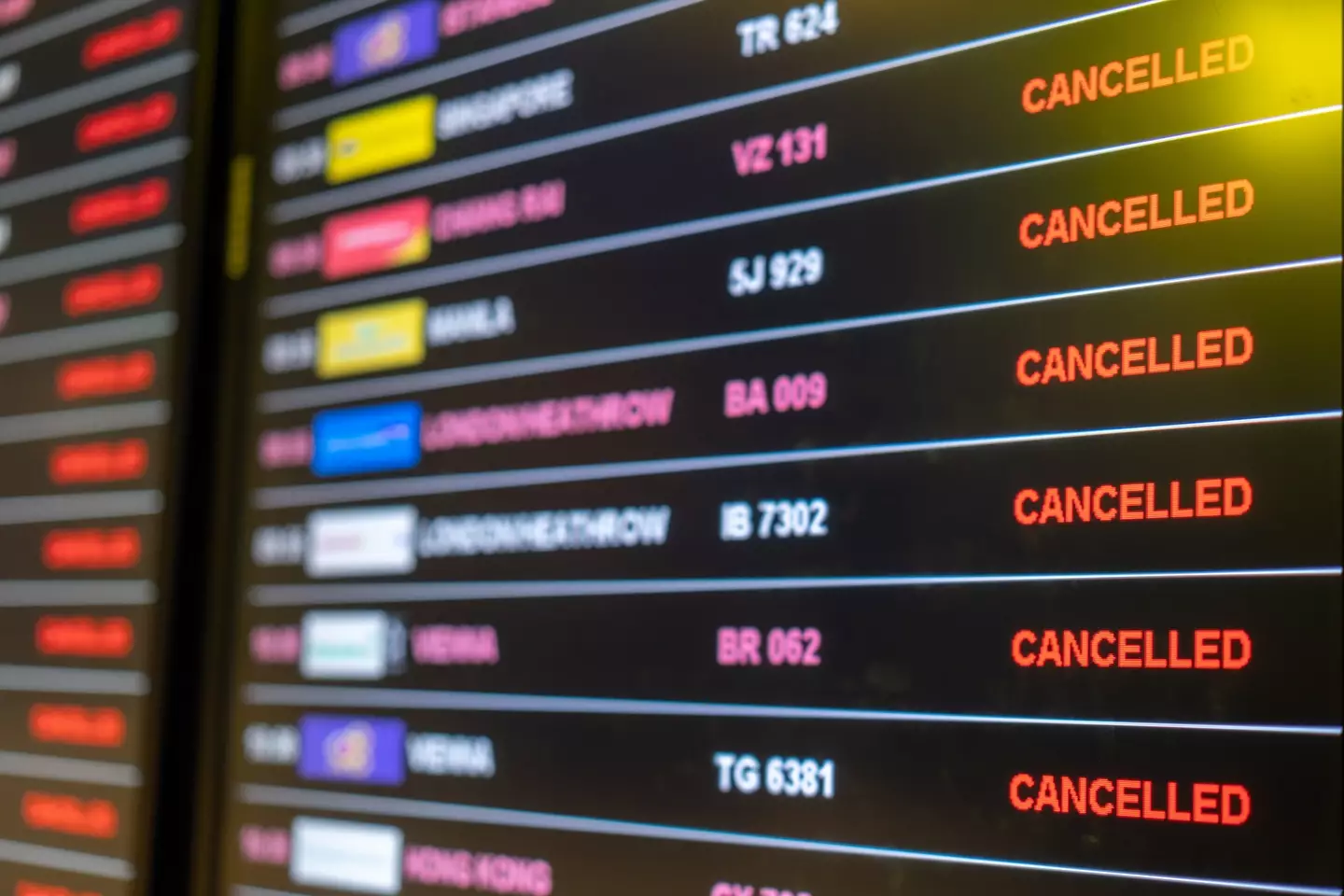
As experienced during past shutdowns, there’s a risk that unpaid employees will choose to stay home, which could cause significant delays at airports, especially for travelers going through TSA security checkpoints.
The Impact on Federal Employees and Travel
Federal employees will be the most directly impacted by the shutdown, with many not receiving paychecks until the government resumes full operations. Non-essential staff will be asked to stay home, and agencies like the CDC, NIH, and others will likely furlough workers.
Travel could also face disruptions, as TSA and air traffic controllers, although essential, will not be paid until the shutdown ends. In previous shutdowns, unpaid TSA and air traffic controllers have called in sick, resulting in long delays and extended security lines at airports.
Why Did the US Government Shut Down?
The shutdown results from a failure to agree on a spending bill that would fund federal services for the upcoming fiscal year. While Republicans control both chambers of Congress, they are short of the necessary 60 votes in the Senate to pass the bill.
The Democrats, on the other hand, have refused to back the Republican proposal, arguing that it would lead to cuts in vital programs such as healthcare. They are particularly concerned about proposed reductions to Medicaid and cuts to the CDC and NIH.
Trump’s Response to the Shutdown
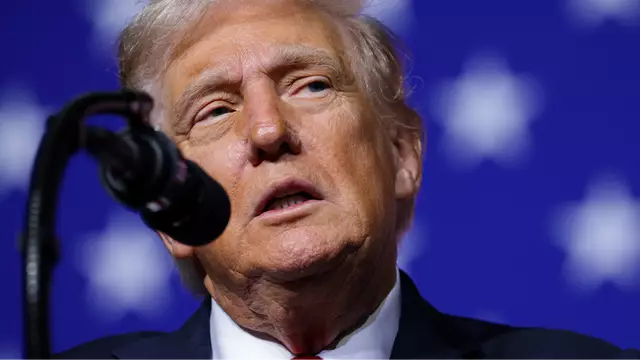
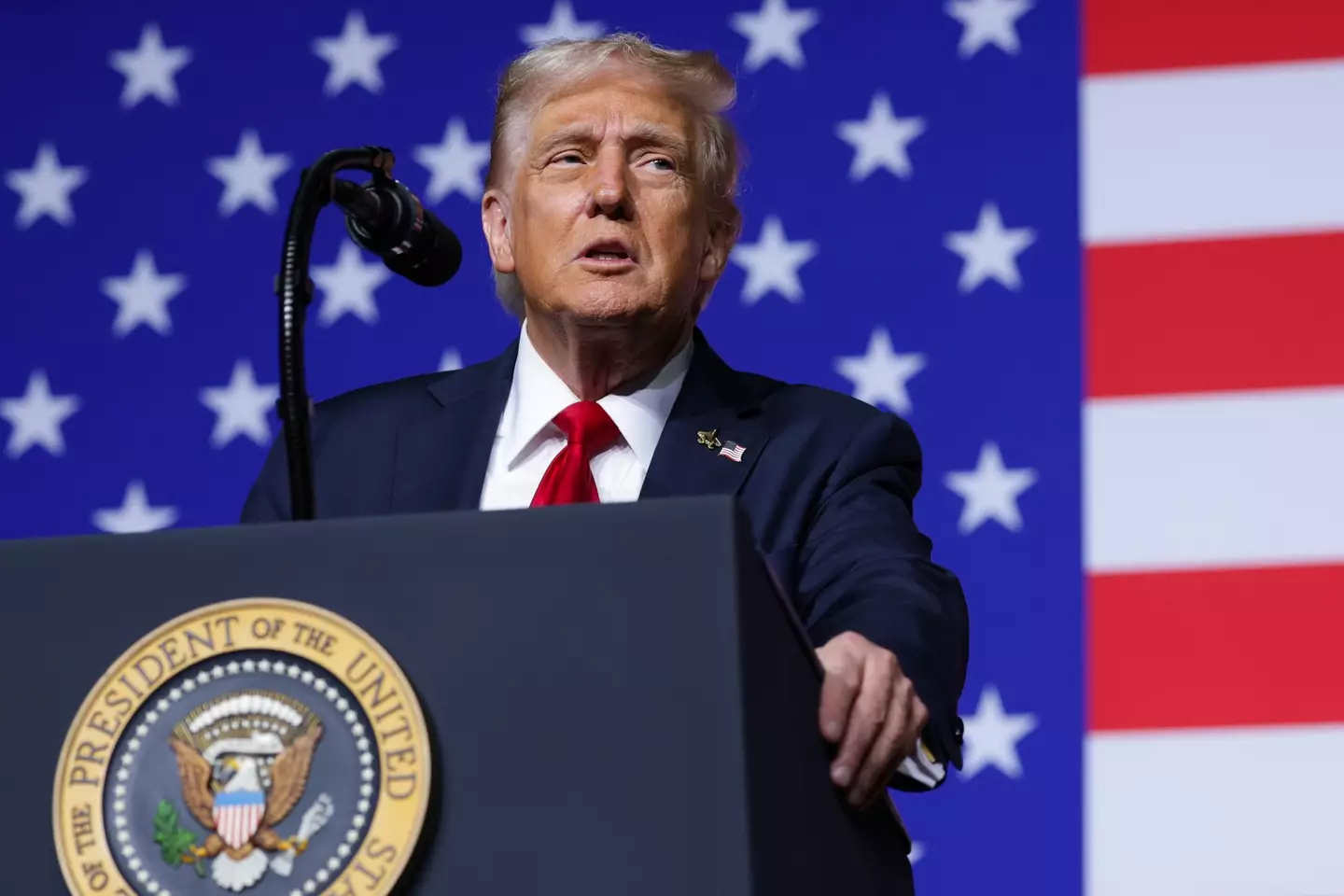
In response to the shutdown, President Trump has warned that the impasse could lead to layoffs, especially among Democrats. “When you shut it down, you have to do layoffs,” Trump said. “We’re doing well as a country, so the last thing we want to do is shut it down, but a lot of good can come from shutdowns. We can get rid of a lot of things that we didn’t want, and they’d be Democrat things.”
The ongoing shutdown highlights the significant political divide in Washington and its potential to affect millions of Americans, from federal workers to travelers and beyond.