Byron Black, convicted of murdering his girlfriend and her two children, was executed in Tennessee after a contentious legal battle. The state’s refusal to turn off his defibrillator during the procedure led to a painful outcry. Read more about this controversial case.
Byron Black, a man convicted of murdering his girlfriend and her two children, was executed in Tennessee after decades on death row. The execution, however, became a focal point of controversy when he cried out in pain during the lethal injection procedure, raising concerns about the ethics of his treatment.
The Crime and Conviction
In 1988, Byron Black, 29, shot and killed his girlfriend, Angela Clay, and her two young daughters, 9-year-old Latoya and 6-year-old Lakeisha. The killings occurred in what prosecutors described as a “jealous rage” after Angela considered ending the relationship with Black.
Black had been on work-release at the time and had previously shot Angela’s estranged husband, Bennie Clay. Investigators later discovered that the children were murdered while they were sleeping. The younger daughter, Lakeisha, tried to flee but did not survive.
After nearly four decades on death row, Black became the second man to be executed in Tennessee since May 2023. He was the 28th person executed in the United States that year.
The Execution and Painful Outcry
During his execution, Byron Black was fitted with an IV line, and his arms and chest were restrained. As the lethal injection was administered, he raised his head off the gurney several times and cried out in pain, saying, “Oh, it’s hurting so bad.”
His spiritual advisor, sitting beside him, sang and prayed with him, offering words of comfort: “I’m so sorry. Just listen to my voice.”
Black was pronounced dead at 10:43 PM. However, a legal battle had unfolded leading up to the execution over whether his defibrillator should be turned off to prevent additional pain.
The Legal Controversy
Black’s lawyers argued that his defibrillator, which helps regulate abnormal heart rhythms, should be deactivated before the lethal injection was administered. They believed that allowing it to remain active would result in his heart being repeatedly shocked, prolonging the agony of his death. The defense claimed that this violated Black’s Eighth Amendment rights against cruel and unusual punishment.
A trial judge agreed with the defense, but the state’s Supreme Court overturned the decision, ruling that the trial judge lacked the authority to make such a ruling. Tennessee Governor Bill Lee also expressed that he would not intervene in the execution.
Reaction from Black’s Family and Victims’ Relatives
Following the execution, Black’s lawyer, Kelley Henry, expressed concern that her client had been “tortured” during the procedure. She described Black as a “gentle, kind, fragile, intellectually disabled man” who was subjected to cruelty under the law.
Black had been suffering from dementia, brain damage, kidney failure, and congestive heart failure. His defense team had previously argued that his intellectual disabilities should have spared him from execution.
In contrast, the family of Black’s victims expressed mixed emotions. Linette Bell, the sister of Angela Clay, said, “I thank God for making this happen. His family is going through the same thing now that we went through 37 years ago.” Bell also added, “I can’t say I’m sorry because we never got an apology.”
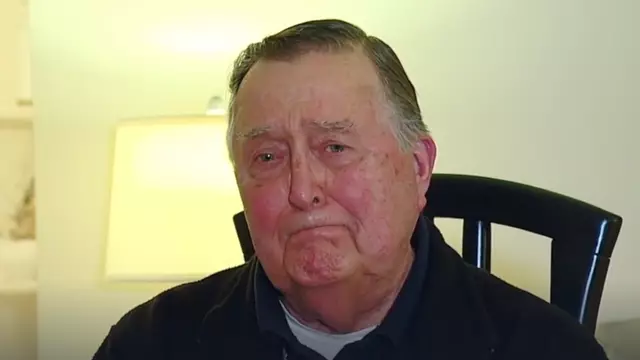
Bennie Clay, the father of the two murdered children, expressed forgiveness, saying, “God has a plan for everything. He needed my girls more than I did, I guess.”
Public Opinions on Pain During Execution
The debate surrounding Black’s execution is complicated. While some sympathize with the victims’ families and believe that Black’s painful death was justified, others argue that no one should suffer further, even when convicted of heinous crimes. Many people on social media voiced their support for the execution’s outcome, with one commenter writing, “Finally felt just a little of what he put others through,” while another added, “He deserves what he gets. The victims’ family needs closure.”
As the controversy continues, questions about the ethics of execution procedures and the treatment of inmates on death row remain unresolved.