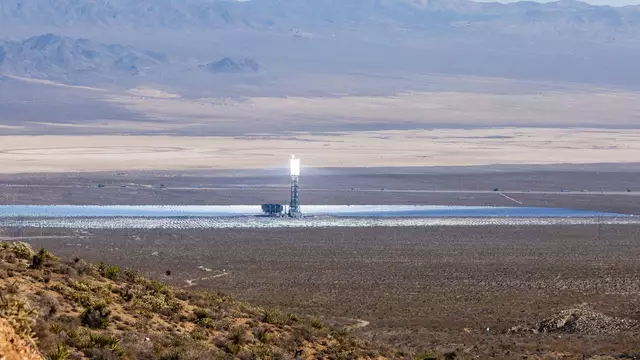
The $2.2 billion Ivanpah Solar Power Plant in California is shutting down 13 years early. Critics call it a waste of taxpayer money and an environmental disaster.
A massive $2.2 billion solar power project in California’s Mojave Desert is being shut down—years ahead of schedule—after failing to meet its goals.
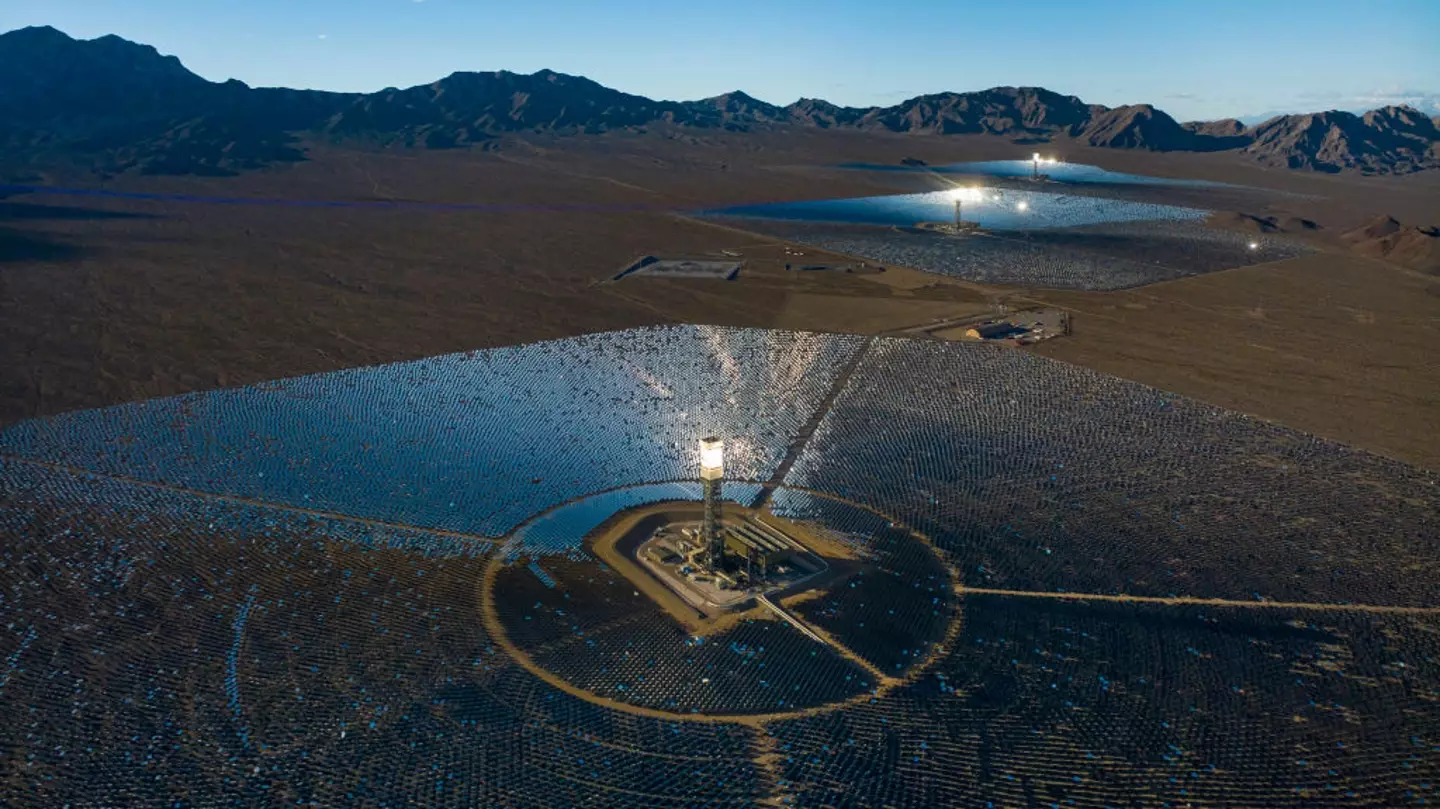
The Ivanpah Solar Power Facility, once praised as a symbol of America’s renewable energy future, will close permanently next year. Built with nearly 174,000 mirrors and three giant towers standing 459 feet tall, the plant began operating in 2014. It was expected to supply enough clean power to thousands of homes, but the project struggled to deliver from the very start.
Why the Plant Is Closing Early
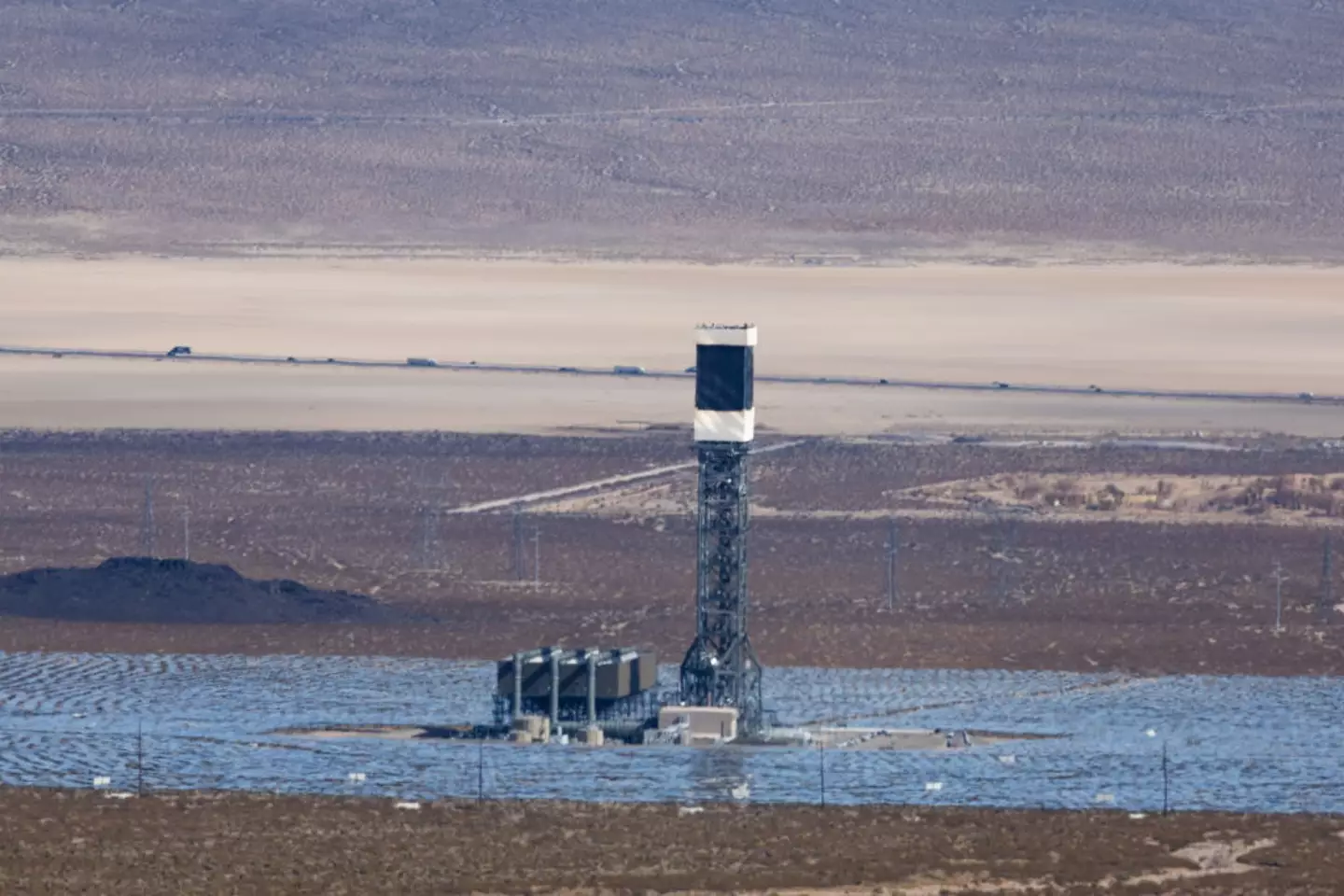
The facility was originally expected to run until 2039. However, both Pacific Gas & Electric (PG&E) and NRG Energy Inc.—its major partners—ended their contracts early. PG&E explained that canceling the agreements would save customers money. NRG described the project as “successful” but admitted it could not compete with cheaper and more efficient solar panel (photovoltaic) technology.
The Price Tag and Government Support
The project received huge support from the federal government. In 2011, the Department of Energy under President Barack Obama backed it with $1.6 billion in loan guarantees. At the time, it was celebrated as a bold step toward making the U.S. a global leader in solar power.
But the plant never reached its energy targets, and now, 13 years before its planned end, it is being switched off.
Backlash From the Public
News of the closure has sparked widespread criticism online. Many Americans argue that the plant was a waste of taxpayer money and government resources.
One user on social media wrote: “Both a waste of money and an environmental disaster that will take decades to clean up.”
Another fumed: “Yet another taxpayer-funded boondoggle turns out to be useless.”
Others pointed the finger at California’s leadership, calling it a failure of policy and planning.
Environmental Concerns
Beyond finances, the project has faced sharp criticism from environmental groups. Julia Dowell of the Sierra Club called it “a financial boondoggle and environmental disaster.” She explained that the plant’s construction destroyed pristine desert habitats, killed thousands of birds, and harmed tortoise populations.
While the Sierra Club continues to support renewable energy, Dowell stressed that “not all renewable technologies are created equal.”