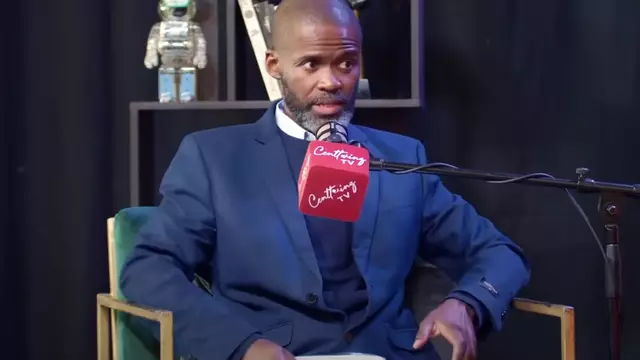
South African preacher Joshua Mhlakela’s prediction of the end of the world on September 23-24 didn’t come true. Watch his awkward reaction during the livestream and learn why people fall for apocalyptic predictions.
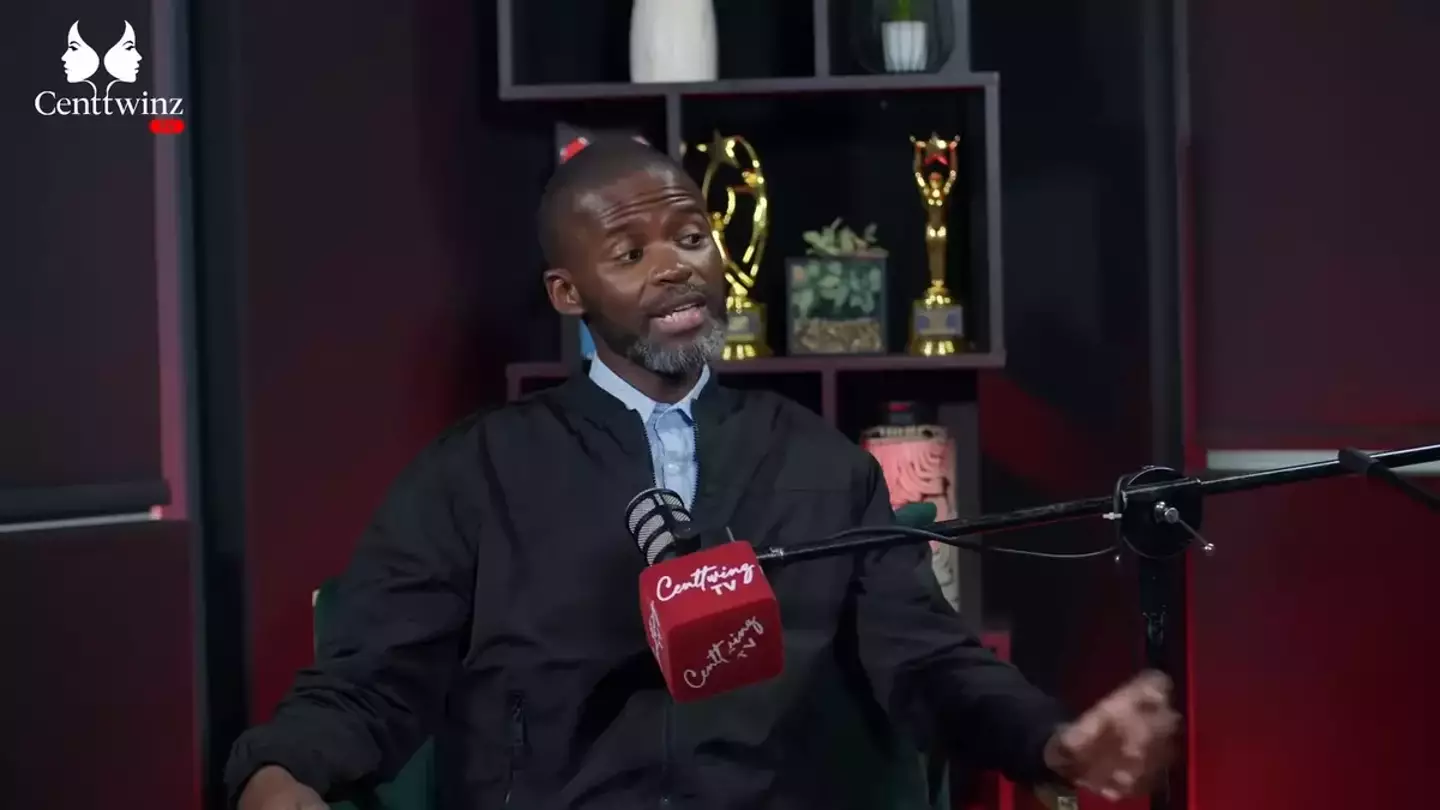
A South African preacher who predicted the end of the world has left his followers embarrassed and disappointed after his prophecy failed to come true. Joshua Mhlakela, who claimed to have seen Jesus and was convinced the world would end on September 23-24, now finds himself facing an awkward explanation as the much-anticipated rapture failed to materialize.
As bizarre as it sounds, many people were genuinely disappointed when the world didn’t end on Tuesday, September 23. Followers of Mhlakela took his prediction seriously, with some quitting their jobs, selling their possessions, and preparing for the end of days, convinced that the rapture was imminent.
The Prophecy and the Livestream Disappointment
Mhlakela had announced that God had personally told him that the world would end between September 23 and 24, aligning with the Jewish new year, Rosh Hashanah. He declared that the Earth would “shake with such power” and that Christians would be “rescued out of the world” during this time.
The prediction drew in a large following, desperate for certainty in uncertain times. As the fateful night approached, Mhlakela and six others gathered for a livestream, preparing for what they believed would be the rapture. As midnight struck, they raised their arms in prayer, expecting to ascend into heaven. However, nothing happened.
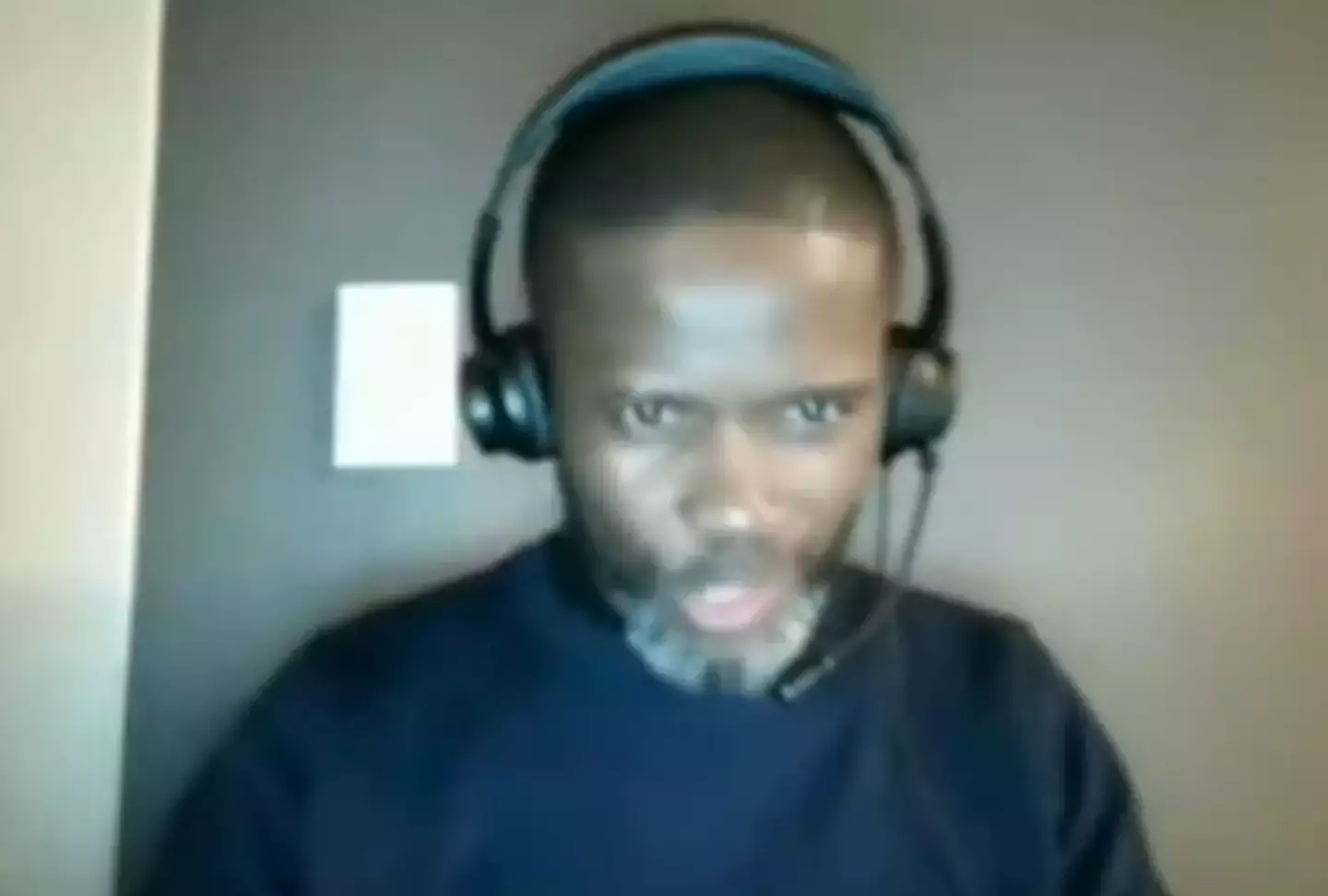
In a video later shared on TikTok, the preacher’s discomfort was palpable as the seconds ticked away. He nervously asked viewers if they wanted to “take a break” and reassured them, saying, “Please keep waiting on us, He is coming.”
As the minutes passed, the livestream saw followers quietly logging off, leaving Mhlakela and his team alone. At 12:18 am, Mhlakela reiterated, “One of these two days, the Lord knows,” but by then, only his solemn face remained on the screen. The rapture, it seemed, was nowhere to be found.
A Painfully Awkward Moment
What had started as a confident proclamation quickly turned into a painfully awkward silence. Mhlakela’s solemn face staring into the camera as viewers began to drift away was a moment that left many feeling sympathy for the preacher — especially after his previous certainty about the world’s imminent end.
Before the livestream, Mhlakela had boldly declared, “On that day of the 23rd, who is God going to pick up, you or me?” The answer, unfortunately for him, was neither.
The preacher had also claimed that God instructed him through a dream to livestream the event, saying, “You cannot be doing this on that day, you need to do a live.”
Why Do People Fall for Apocalyptic Predictions?
The question many are left asking is: Why do people still fall for apocalyptic predictions like Mhlakela’s? Psychotherapist Tina Chummun explained that during uncertain times, people are more susceptible to black-and-white narratives promising safety, salvation, or control.
“People often get caught up in these belief systems because our brains are wired to seek patterns when life feels unpredictable,” Chummun said. “The heightened stress and uncertainty make us more vulnerable to these types of narratives.”
The Aftermath and Reflections
Mhlakela’s failed prediction serves as a reminder of the dangers of falling for apocalyptic claims, particularly when fueled by uncertainty and fear. As viewers and followers now process the disappointment, the preacher’s awkward reaction only highlights the stark contrast between certainty and reality.