NASA’s Artemis 2 mission is gearing up to be a historic journey, with the first crewed moon orbit in over 50 years. Learn about the crew’s preparations, the spacecraft’s name, and the expected launch date.
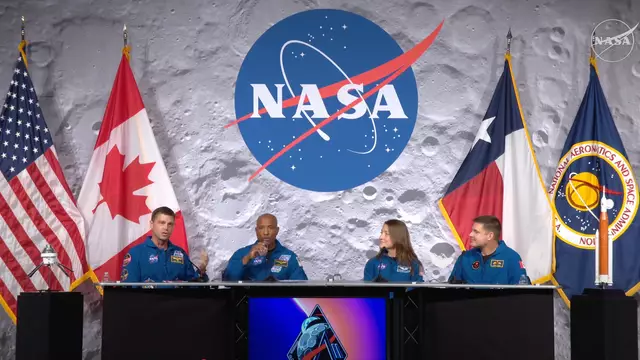
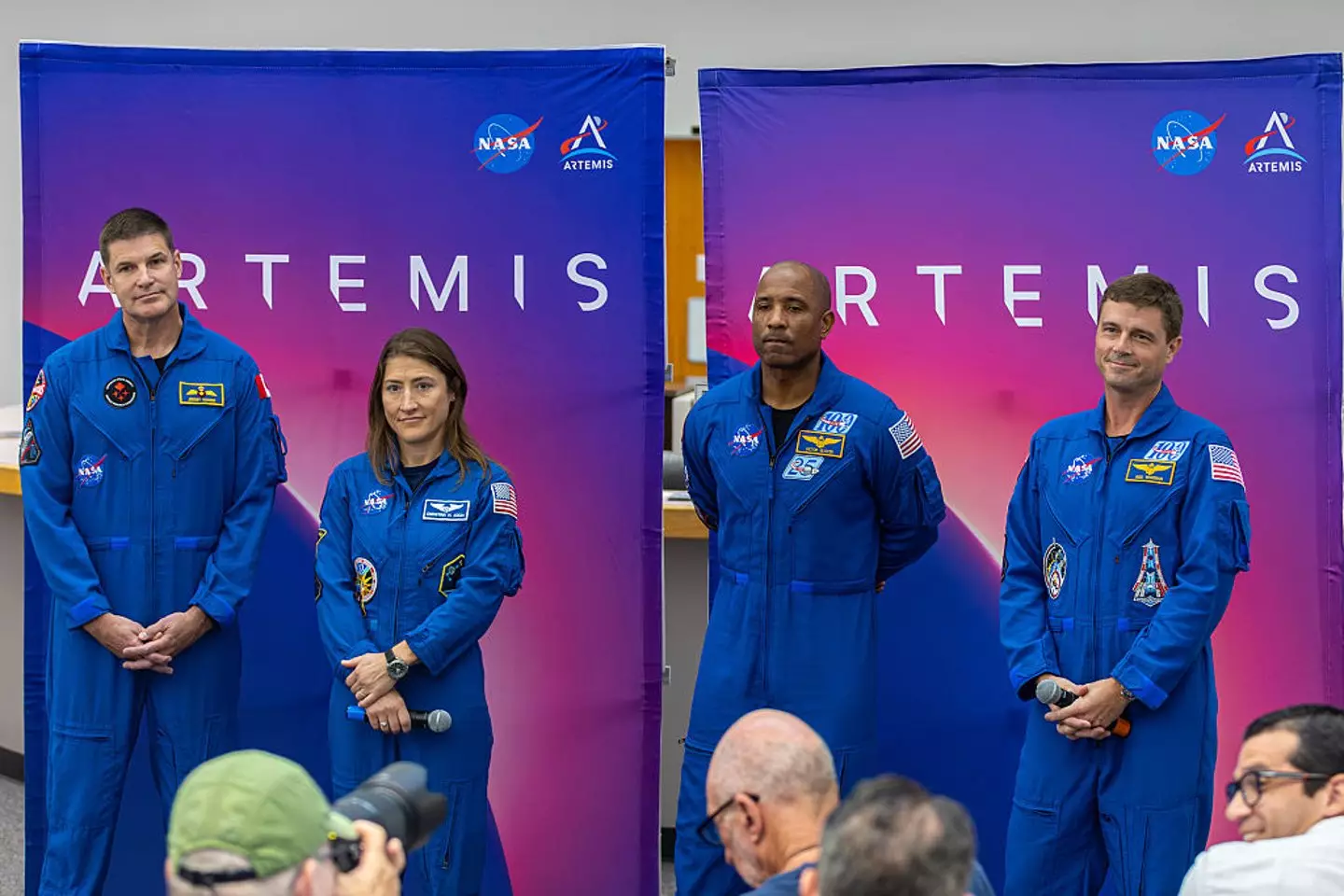
NASA’s Artemis 2 mission is set to make history as the first crewed mission to orbit the Moon since Apollo 17 in 1972. A crew of four astronauts—Commander Reid Wiseman, Pilot Victor Glover, and Mission Specialists Christina Koch and Jeremy Hansen—are preparing for a journey that will lay the groundwork for future human lunar exploration.
The mission will launch aboard NASA’s Orion spacecraft, powered by the Space Launch System (SLS) rocket. The 10-day flight will test the spacecraft’s systems and hardware, vital for early lunar missions. While Artemis 2 is not designed to land on the Moon, it will provide crucial data for upcoming missions, including Artemis 3, which aims to bring astronauts to the lunar surface.
Historic Spacecraft Name and New Launch Window
On September 24, NASA revealed that the spacecraft will be named “Integrity.” The name reflects the trust, respect, and collaboration shared across the team of astronauts, engineers, technicians, and scientists involved in the mission. NASA’s commitment to integrity emphasizes their dedication to the success of the mission, ensuring that every detail is handled with care and precision.

Originally delayed until April 2026, Artemis 2 could now launch as early as February 5, 2024. “We’re going to launch when this vehicle is ready, when this team is ready, and we’re going to go execute this mission to the best of our abilities,” said Commander Wiseman. “It’s going to be amazing.”
A Mission with Global Significance
While the Artemis 2 crew won’t land on the Moon, the mission is historic for several reasons. It will be the first crewed mission to orbit the Moon since Apollo, the first mission where a woman and a person of color will journey to the Moon, and the farthest humans have ever traveled into deep space.
Victor Glover, one of the crew members, emphasized the importance of focusing on the task at hand despite the significant milestones. “If we want to live up to the standards that we owe the American and Canadian public and humanity in general, we have to be able to focus on what’s next. I clear that distraction out of my head so I can focus on the job,” Glover said.
Meanwhile, Jeremy Hansen described the mission as an “absolute privilege,” stressing that Artemis 2 represents more than just a return to the Moon. “It’s about the pursuit of excellence,” he added.
A New Space Race and NASA’s Mission to the Moon
The Artemis 2 mission comes at a time when there is increasing global competition in space exploration, often referred to as a ‘second space race.’ China’s space program is also aiming for lunar exploration, which has only heightened the importance of NASA’s mission.
Lakiesha Hawkins, a top NASA official, explained the agency’s goal: “There is a desire for us to return to the surface of the Moon and to be the first to return to the surface of the Moon,” but added that NASA’s primary focus is ensuring a safe return to the Moon.
As NASA prepares for this groundbreaking journey, the Artemis program marks the beginning of a new era of space exploration, with plans for long-term human presence on the Moon and beyond.