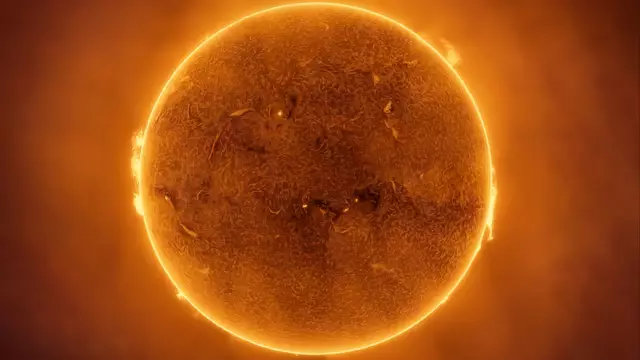
NASA says the sun is “waking up” after decades of weak activity. Scientists warn of possible disruptions to satellites, GPS, and power grids.
NASA scientists say the sun is showing signs of “waking up” after decades of weaker activity — and they don’t fully understand why.
Between 1988 and 2008, the sun’s solar wind — a constant stream of charged particles blasting through the solar system — weakened noticeably. Solar activity usually runs on an 11-year cycle, but during this period, the sun showed a long-term decline.
When Solar Cycle 24 began in 2008, it became the weakest cycle ever recorded, raising concerns that the sun might remain in a prolonged low-energy state.
But new research suggests the opposite is happening.

The Sun’s Sudden Comeback
According to a study published in The Astrophysical Journal Letters, measurements taken 93 million miles from the sun (Earth’s distance) reveal major changes between 2008 and 2025:
Solar wind speed increased by 6%
Density rose by 26%
Temperature climbed by 29%
Pressure and energy surged by 30–45%
The sun’s magnetic field strengthened by over 30%
Lead author Jamie Jasinski of NASA’s Jet Propulsion Laboratory explained:
“All signs were pointing to the sun going into a prolonged phase of low activity. So it was a surprise to see that trend reversed. The sun is slowly waking up.”
What This Means for Earth
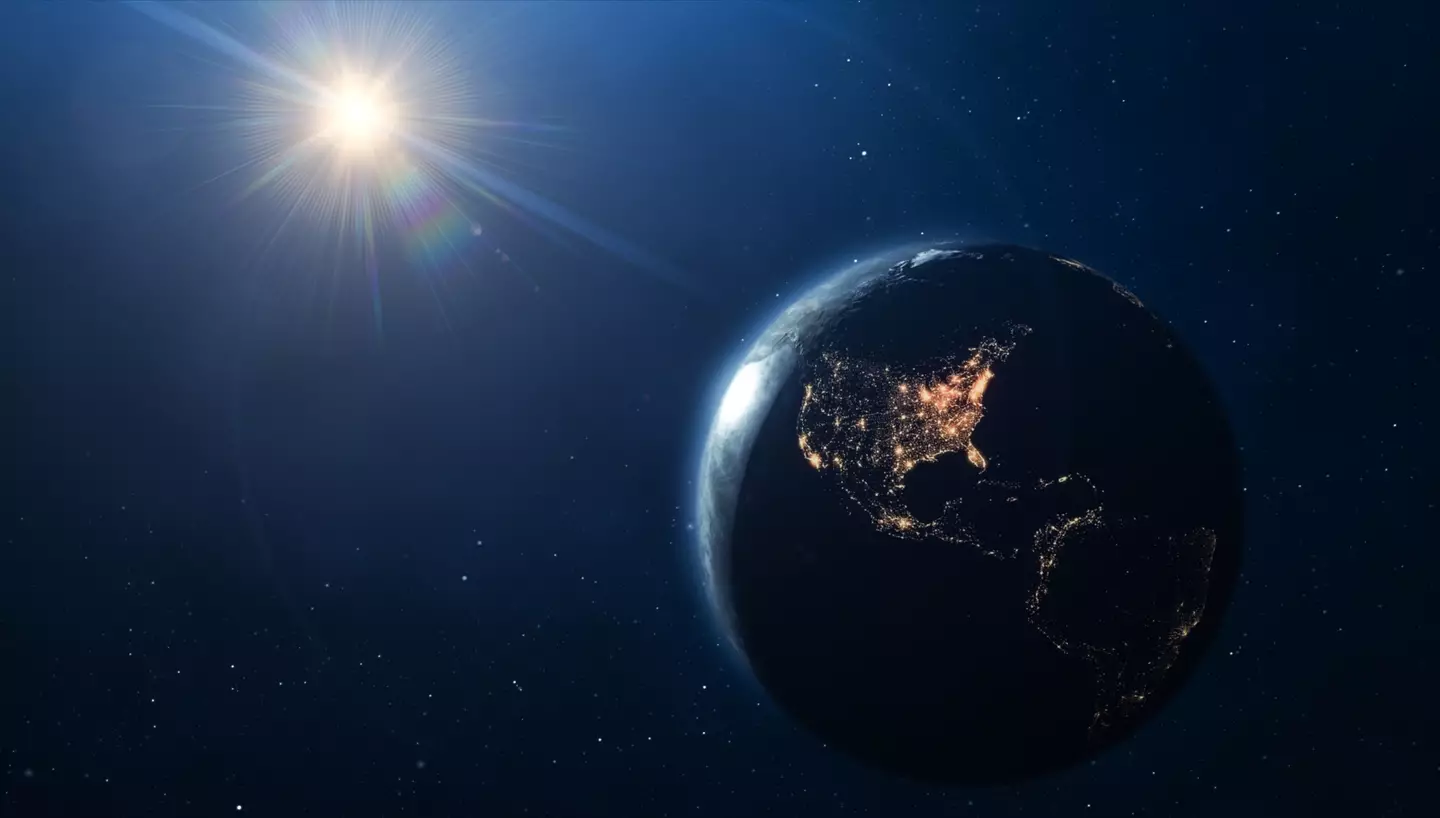
The return of stronger solar activity could bring both risks and beauty. Solar flares and coronal mass ejections are capable of disrupting:
Radio and satellite communications
GPS navigation systems
Power grids worldwide
At the same time, these bursts of high-energy particles can create breathtaking auroras across the Northern and Southern Hemispheres.
History of Unpredictable Solar Behavior
Scientists have tracked solar patterns for centuries. One of the most famous events was a prolonged quiet period between 1790 and 1830, which still puzzles researchers.
“The longer-term trends are a lot less predictable and are something we don’t completely understand yet,” Dr. Jasinski said.
For now, NASA continues to monitor the sun’s activity — and Earth is left to brace for whatever comes next.