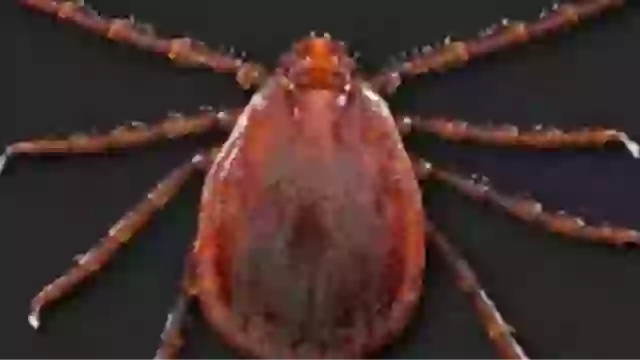
Health experts warn about the invasive Asian longhorned tick spreading across 20+ US states. This disease-carrying pest poses serious health risks, including fever and organ damage.
Disease-Carrying Tick Spreads Across the US
Health experts are sounding the alarm after a dangerous tick species linked to serious infections has now been reported in more than 20 US states.
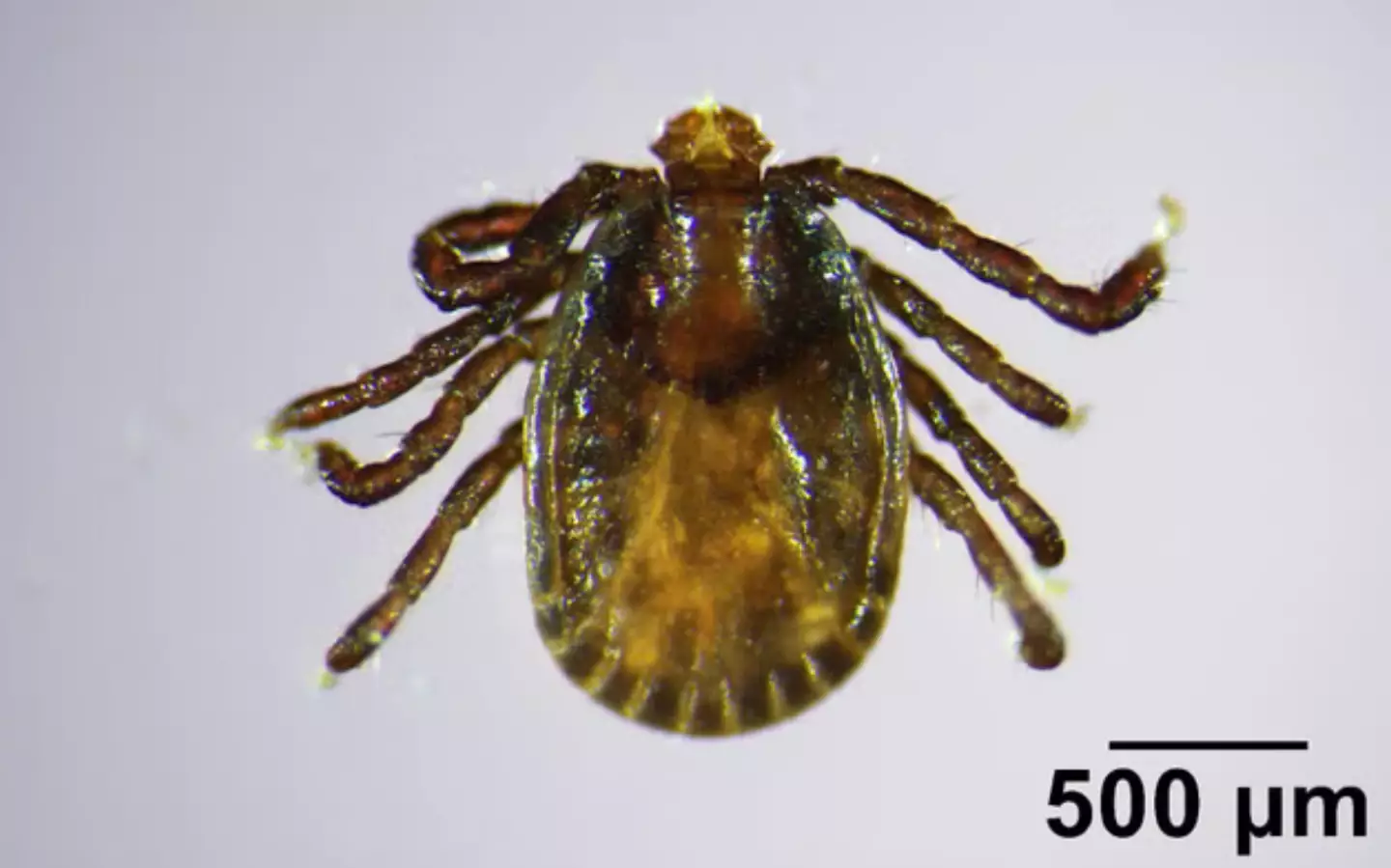
The culprit is the Asian longhorned tick, an invasive species first discovered in the United States in 2017. Once found only in New Jersey, the tick has now spread widely, with recent cases confirmed in Maine — the most northeastern state to report infestations so far.
Why This Tick Is So Concerning
The Asian longhorned tick originated in East Asia but has adapted quickly to the US. Unlike most ticks, it can reproduce rapidly without mating, leading to explosive population growth.
Health officials are concerned because this pest has been linked to several serious illnesses:
Severe Fever with Thrombocytopenia Syndrome (SFTS): Causes high fever, stomach pain, vomiting, and diarrhea. In severe cases, it can lead to kidney failure, organ damage, or death.
Ehrlichiosis: Begins with flu-like symptoms but can turn life-threatening. About 60% of patients require hospitalization, and the disease is fatal in 1 out of every 100 cases.
According to the CDC, ER visits for tick bites this July were higher than any year in the past eight years.
Expert Warnings
Researchers warn that climate change may be making the problem worse.
Dr. Goudarz Molaei, an entomologist at the Connecticut Agricultural Experiment Station, explained:
“Climate change will almost eliminate winter in our region. This tick, like other tick species, could become active year-round.”
Manisha Juthani, Connecticut’s Health Commissioner, added that rising temperatures make it harder to predict where ticks may spread:
“We have to be more prepared and more aware of infections and the pathogens we can be exposed to outdoors.”
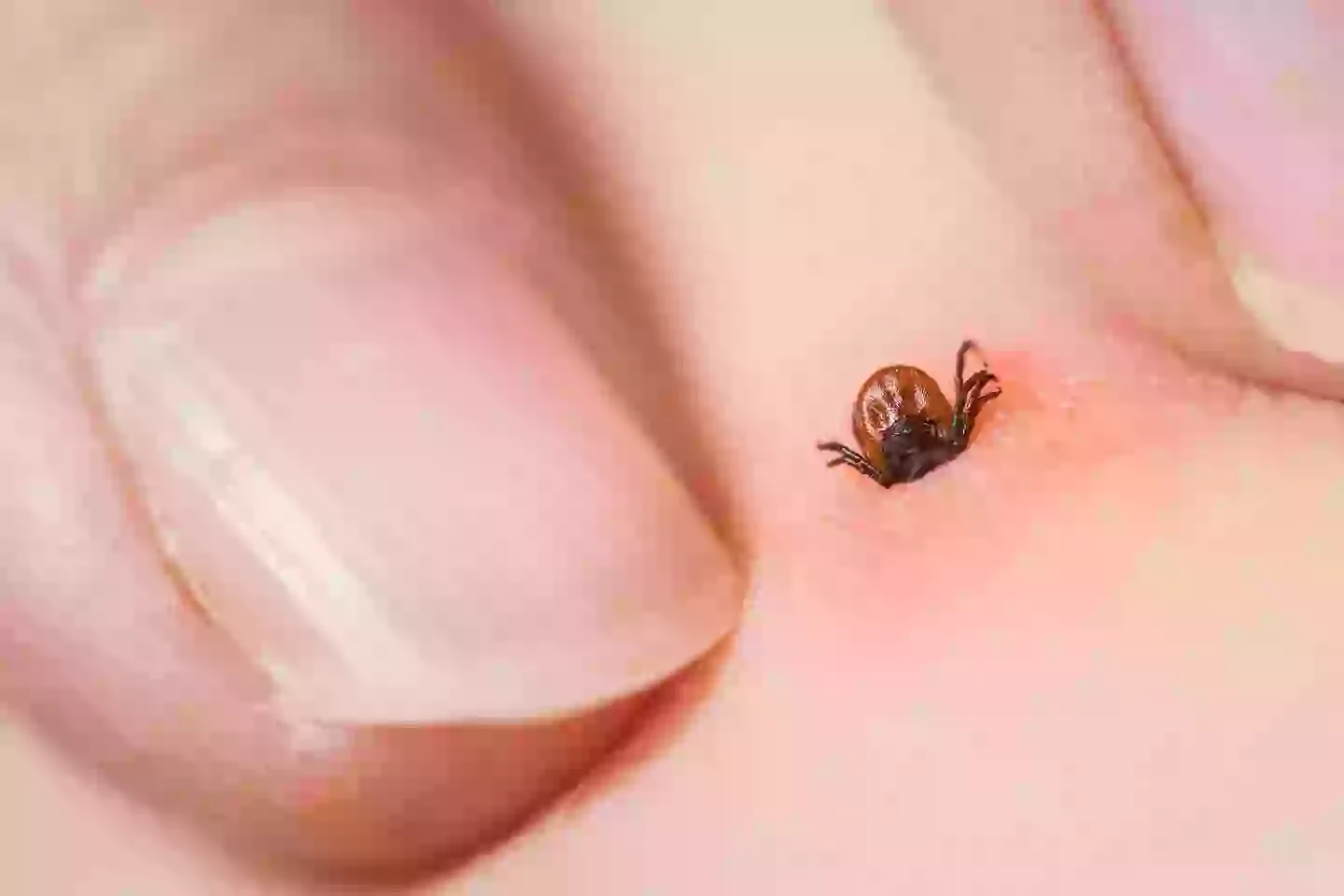
How to Protect Yourself from Ticks
Experts recommend the following precautions:
✅ Avoid tall grass, brushy areas, and places with livestock or wild animals.
✅ Use EPA-approved insect repellents with DEET, picaridin, IR3535, Oil of Lemon Eucalyptus, or 2-undecanone.
✅ Apply sunscreen first, insect repellent second.
✅ Treat clothing and gear with permethrin (0.5%) for added protection.
Griffin Dill, director of the University of Maine’s Tick Lab, stressed the importance of continued monitoring:
“This discovery underscores the critical importance of tick surveillance. We are closely tracking the situation with state and federal partners.”
Conclusion
The spread of the Asian longhorned tick across the US highlights the growing health risks tied to invasive species and climate change.
With more than 20 states affected and rising reports of tick-borne illnesses, experts warn that vigilance and prevention are more important than ever.