Robert F. Kennedy Jr. has announced he will reveal the ’cause of autism’ in September. His controversial statements have drawn criticism from experts and sparked debate over the condition’s origins. Learn more about his upcoming press conference.
Robert F. Kennedy Jr. has made headlines once again with his announcement that he will reveal what he believes are the ‘causes’ of autism at a press conference this September. The political figure has claimed that certain environmental factors, potentially linked to toxins, are responsible for autism spectrum disorder (ASD), a condition that affects an estimated one in 31 children in the U.S.
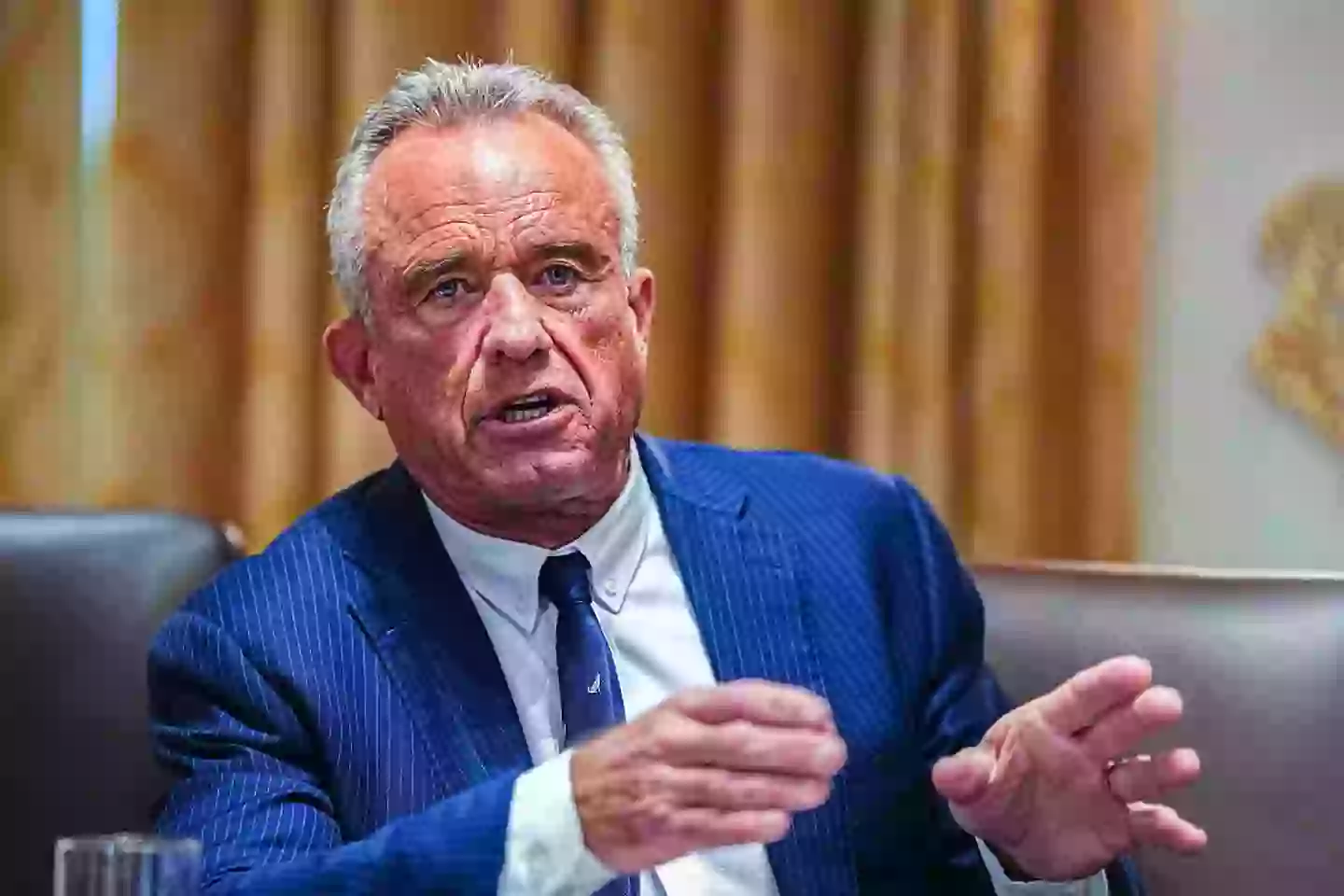
Kennedy, 71, has long been a vocal critic of vaccines and other public health measures. His latest remarks come months after he pledged that ‘hundreds’ of scientists would be assembled to investigate the origins of autism, a claim that has raised eyebrows among experts and sparked significant debate.
Kennedy’s Claims About Autism and Environmental Toxins
RFK Jr. has suggested that autism is not a genetic or inherent condition, but one that may be triggered by ‘certain interventions.’ He believes that autism is preventable, linking it to what he describes as an environmental toxin. “Somebody made it and put that environmental toxin into our air, water, medicines, or food,” he said. His controversial stance has led to widespread skepticism among medical professionals.
The Growing Controversy
Kennedy’s claims have been met with strong criticism from health experts and autism advocates. According to the Centers for Disease Control and Prevention (CDC), ASD is not linked to pharmaceuticals or vaccinations, despite conspiracy theories. In fact, research shows that ASD occurs across all socioeconomic, racial, and ethnic groups, with boys being more affected than girls.
Alison Singer, the founder of the nonprofit Autism Science Foundation, criticized Kennedy Jr.’s approach, calling it “highly unusual” to announce the results of a study before it even begins. This move, she argues, undermines scientific integrity and credibility.
Furthermore, M. Remi Yergeau, a professor at Carleton University and expert in Critical Disability Studies, argued that autism is not an “epidemic” and should not be discussed as a disease. “Autism is not a disease, nor is it preventable,” Yergeau said. “Such discussions can dehumanize autistic individuals and instill fear.”
The Press Conference: What to Expect
Kennedy Jr. has promised that his team’s findings will be shared in September, claiming that certain medical interventions are “clearly, almost certainly causing autism.” However, as of September 4, there is no evidence that any studies have actually begun. This delay has further fueled skepticism about the validity of his claims.
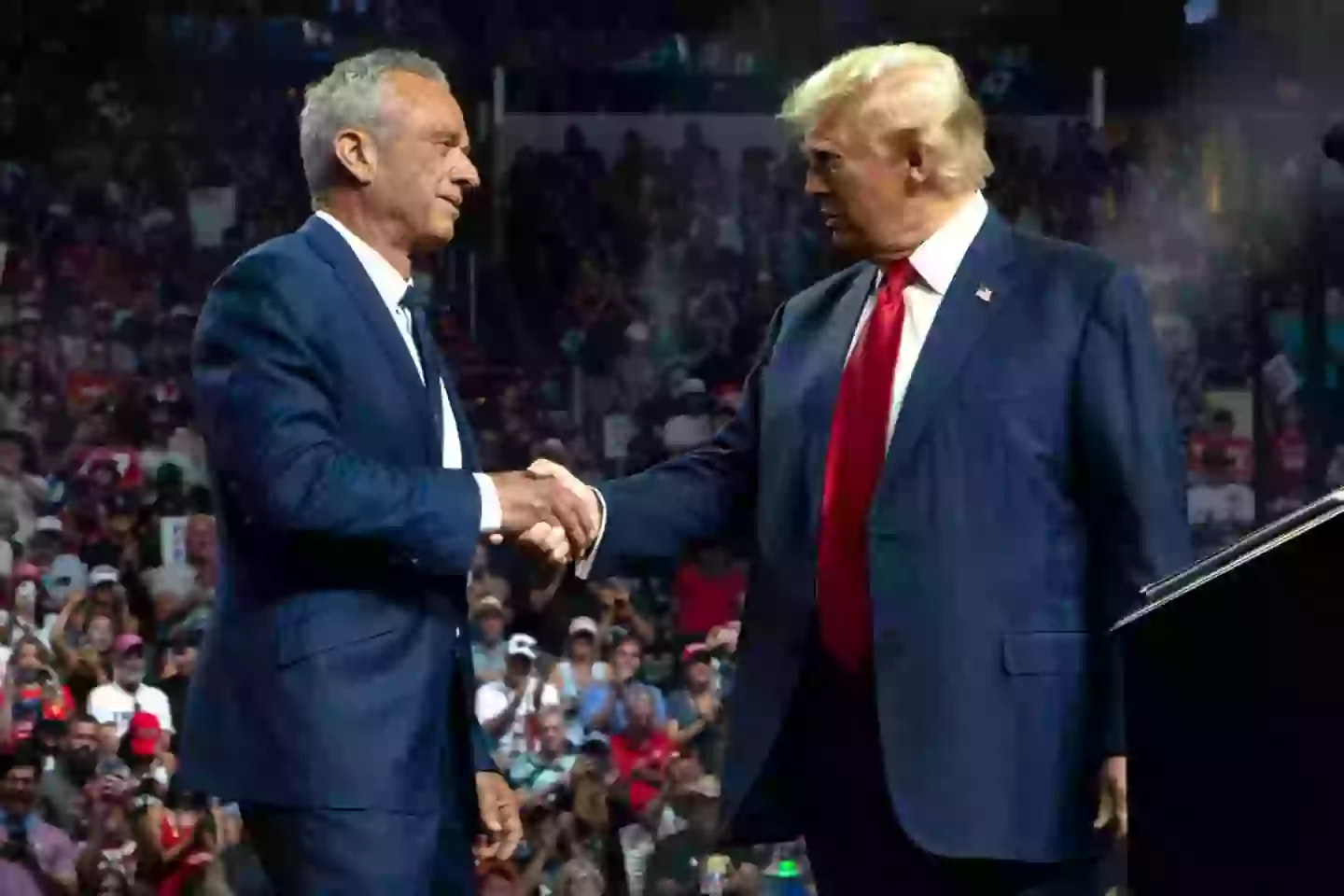
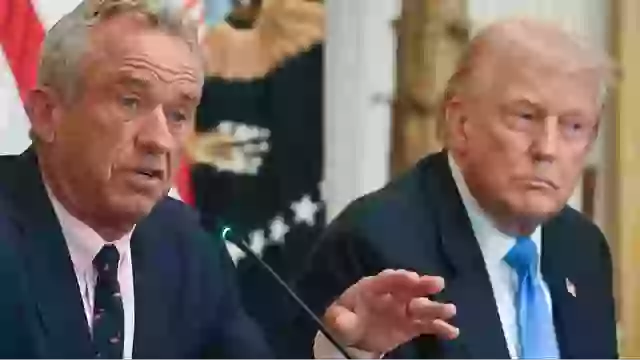
Donald Trump, a vocal supporter of Kennedy’s political endeavors, expressed excitement about the upcoming press conference. “I’m looking forward to that day, because there’s something wrong when you see the kind of numbers you have today versus 20 years ago,” Trump stated. “There has to be something artificially causing this.”
The Scientific Community Responds
While Kennedy Jr.’s statements have gained attention, the scientific community remains firm in its stance. Experts emphasize that autism is a complex, lifelong developmental condition that is not the result of external toxins or preventable factors. Medical research continues to focus on understanding the genetic and environmental factors that contribute to autism, but there is no scientific consensus supporting the claims made by Kennedy Jr.
The upcoming press conference promises to ignite further debate about autism and its causes, but it’s clear that Kennedy Jr.’s assertions have already raised more questions than answers.