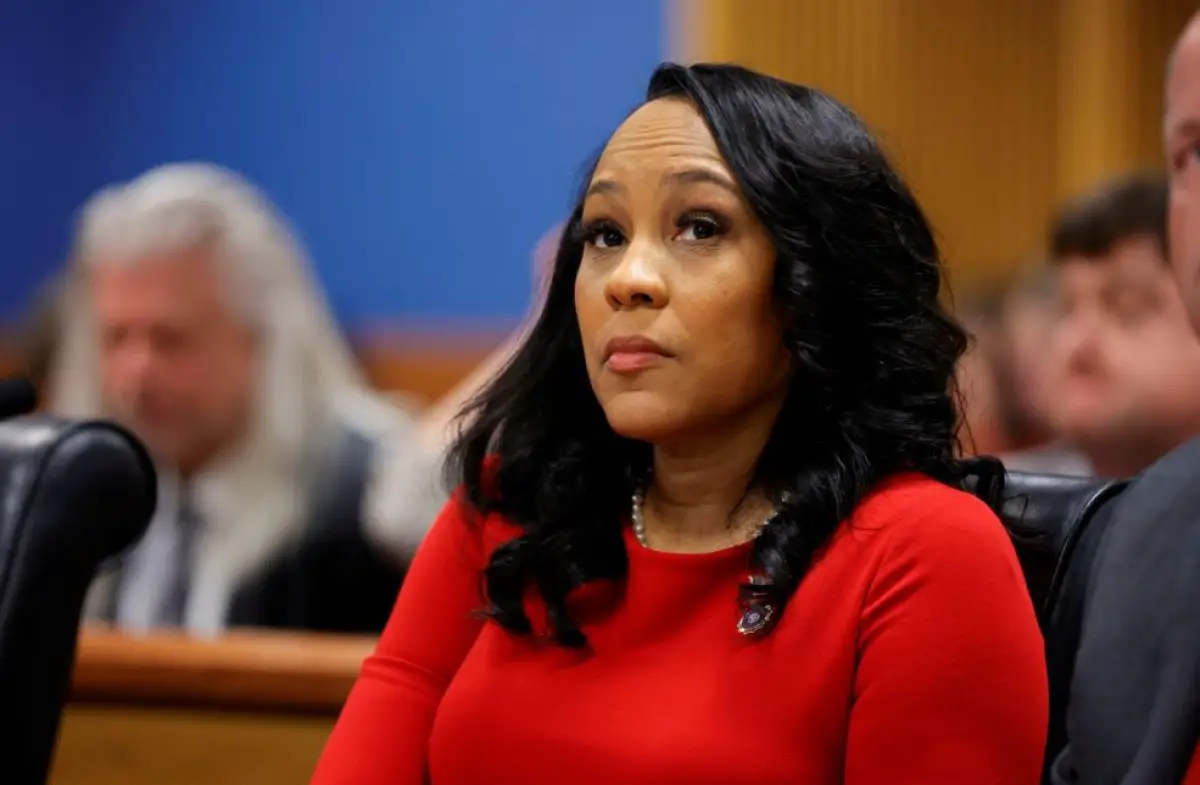
Georgia’s new law, signed by Governor Brian Kemp, could potentially cover legal fees for defendants in cases where prosecutorial misconduct is found. This move, sparked by the Trump prosecution, has major legal and political implications.
In a move that has sparked significant debate, Georgia Governor Brian Kemp has signed legislation that could have profound consequences for the state’s legal system. The new law, Senate Bill 244, could lead to Georgia taxpayers covering the legal expenses of defendants in cases where prosecutorial misconduct is found, including the high-profile case against President Donald Trump.
This legislation has stirred discussions about prosecutorial ethics, accountability, and the financial implications for the state. Here’s a closer look at what this law means and how it was triggered by one of Georgia’s most controversial legal battles.
What is Senate Bill 244?
Senate Bill 244, signed into law by Governor Kemp, allows criminal defendants to receive compensation for their legal fees if two conditions are met: first, if the prosecutor handling the case is disqualified for misconduct, and second, if the charges against the defendant are dismissed. Under these circumstances, the state would be required to pay the defendant’s reasonable attorney fees.
This new law could have substantial financial implications, especially in high-profile cases like the prosecution of President Trump. It ensures that taxpayers, not just defendants, bear the cost when prosecutorial misconduct is determined, creating a strong incentive for prosecutors to maintain high ethical standards.
The Case That Sparked the Law: Fani Willis and the Trump Prosecution
The legislation’s origins are deeply tied to the case of Fulton County District Attorney Fani Willis, who was overseeing the prosecution of Donald Trump and 18 others in connection with alleged attempts to interfere with the 2020 election results in Georgia.
The case gained national attention, but soon controversy arose regarding Willis’s personal relationship with one of the lead prosecutors, Nathan Wade. Critics argued that the relationship created a conflict of interest, leading to challenges that resulted in Willis being removed from the case.
The Georgia Court of Appeals agreed, citing the “appearance of impropriety” in Willis’s handling of the case. As a result, the prosecution was disqualified, but the court did not dismiss the charges against Trump and the others involved.
The Political Landscape Behind the Legislation
State Senator Bradley Beach, a sponsor of Senate Bill 244, openly acknowledged that the bill was motivated by the controversy surrounding Fani Willis and the Trump case. This transparent connection between the legislation and a specific legal battle has raised concerns about politically motivated lawmaking, especially among critics of the prosecution’s handling of the case.
Supporters of the bill, including Republicans in Georgia, argue that it is necessary to hold prosecutors accountable for potential misconduct and prevent politically motivated prosecutions. The law represents a broader national trend where Republican-led states are seeking to impose checks on what they see as politically driven legal actions by Democratic prosecutors.
The Financial Impact: Who Pays for Misconduct?
One of the most significant aspects of Senate Bill 244 is its financial implications. The law requires taxpayers to cover legal fees in cases where prosecutorial misconduct leads to disqualification and the subsequent dismissal of charges. In the Trump case, the former president’s legal team has already spent millions defending against the charges brought by Willis’s office.
If the charges against Trump are ultimately dismissed, Georgia taxpayers could be on the hook for the millions in legal fees incurred during the case. While this provision provides a safety net for defendants, it also introduces a financial risk for the state, which could impact future cases.
Defense Attorneys Weigh In: A Turning Point in Prosecutorial Accountability
Trump’s primary attorney, Steven Sadow, has voiced strong support for the new law, calling it a critical step toward holding unethical prosecutors accountable. He praised the legislation as a necessary tool to prevent prosecutorial misconduct and ensure that those in positions of power are held responsible for their actions.
Critics, however, argue that the law could lead to unintended consequences, such as discouraging prosecutors from taking on controversial or politically sensitive cases. The financial burden placed on the state could also be a factor in prosecutors’ decision-making, potentially affecting the pursuit of justice in complex cases.
Ongoing Legal Challenges for Fani Willis
The disqualification of Fani Willis from the Trump case is not the only legal challenge she is facing. In March, Willis was ordered to pay over $54,000 in attorney fees for violating Georgia’s Open Records Act. This violation stemmed from her office’s failure to provide requested documents to defense attorneys, further complicating her legal troubles.
Willis has appealed her disqualification to the Georgia Supreme Court, arguing that the decision to remove her was based on an improper standard. The court has yet to decide whether it will hear her appeal, which leaves the future of the Trump case in limbo.
Broader Implications for Prosecutorial Reform
The introduction of Senate Bill 244 signals a shift in how prosecutorial misconduct is addressed, not only in Georgia but potentially across the country. By directly linking prosecutorial misconduct to financial consequences, the law creates a more immediate form of accountability.
This new framework may influence how other states approach prosecutorial reform, providing a model for how financial liability can be used to promote ethical conduct in the legal profession. However, it also raises questions about the potential for political influence in prosecutorial decision-making, as well as the broader impact on the justice system.
The Road Ahead
As Georgia moves forward with implementing Senate Bill 244, the fate of the Trump case and future cases will provide important lessons about the effectiveness of this new approach. The law has the potential to create a more accountable legal system, but its long-term impact on Georgia’s prosecutorial practices and legal landscape remains uncertain.
The next few months will likely determine how this legislation affects both the legal profession and the broader public’s trust in the justice system.