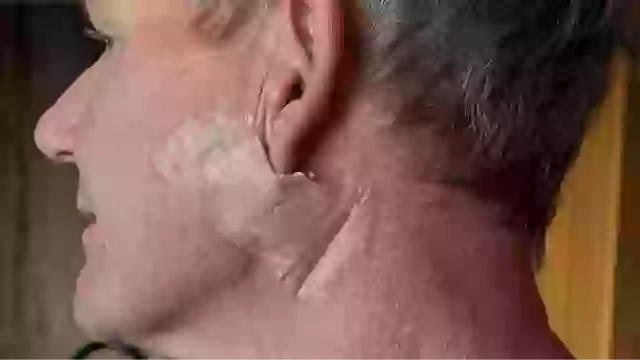
“Celebrity chef Gordon Ramsay shares post-surgery photos after being diagnosed with basal cell carcinoma. He urges followers to protect their skin from the sun and explains signs to watch for.”
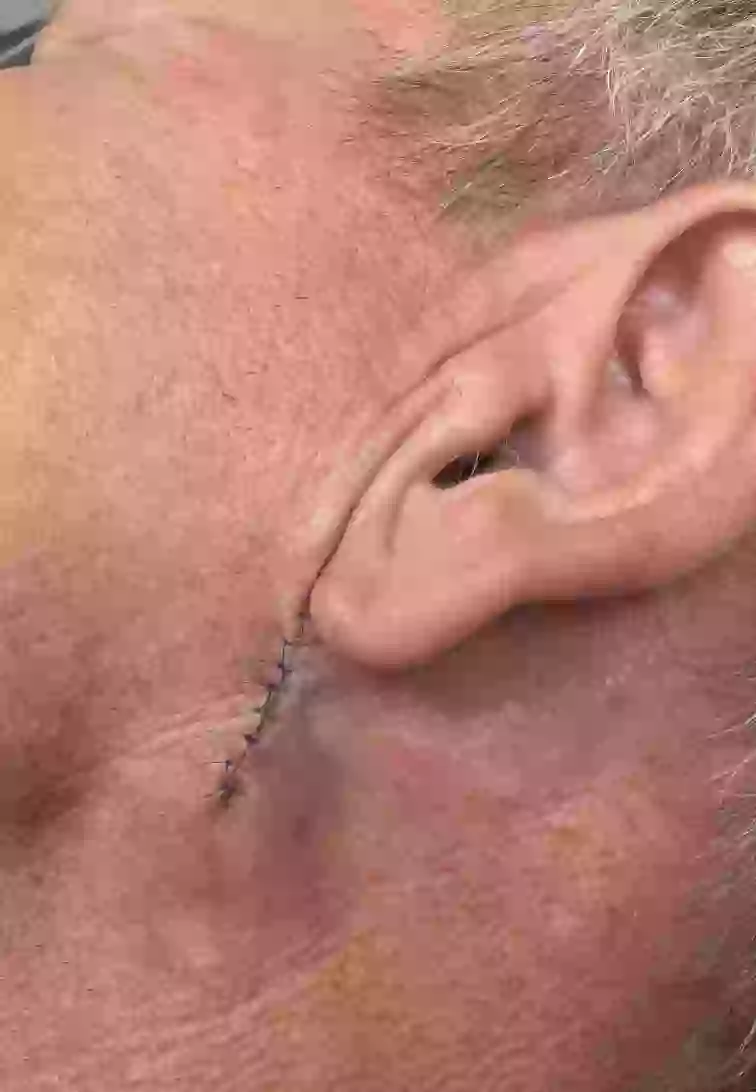
Celebrity chef Gordon Ramsay recently shared a health warning with his millions of followers after undergoing surgery to remove basal cell carcinoma, a type of skin cancer. On August 30, Ramsay took to Instagram to share photos of his post-surgery scars, showing a dressing covering the wound under his left ear and another shot of the stitches from where the cancerous cells had been removed.
Ramsay’s Health Journey
“Grateful and so appreciative for the incredible team at The Skin Associates and their fast reactive work on removing this Basal Cell Carcinoma thank you,” the 58-year-old Ramsay wrote alongside the photos. He continued, reminding his 19 million followers to “Please don’t forget your sunscreen this weekend.” The star chef, known for his humor, also joked, saying he hadn’t undergone a facelift, adding, “I’d need a refund if I had.”
What Is Basal Cell Carcinoma?
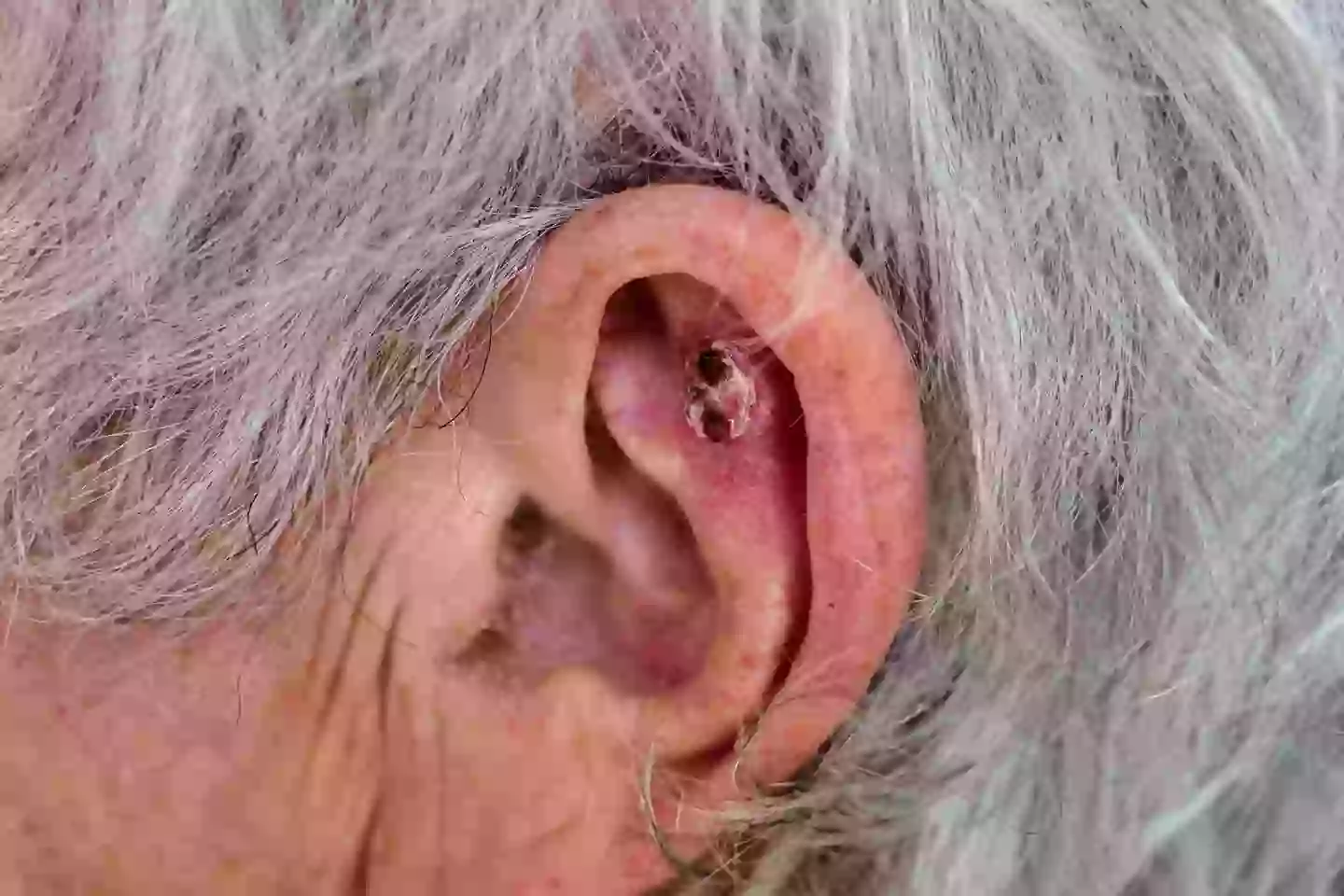
Basal cell carcinoma is the most common type of skin cancer, arising from basal cells, which produce new skin cells as old ones die off. According to the Skin Cancer Foundation, approximately 3.65 million cases of basal cell carcinoma are diagnosed annually in the U.S. While it is generally slow-growing, it can cause significant damage if left untreated.
Warning Signs to Look For
Ramsay’s message serves as a reminder to be aware of the early warning signs of basal cell carcinoma. The Skin Cancer Foundation lists these key signs:
An open sore that doesn’t heal
A reddish patch or irritated area of skin
A shiny bump or nodule that is pearly or clear, pink, red, or white
A small pink growth
A scar-like area
If you notice two or more of these symptoms, it’s important to see a healthcare provider for evaluation, as these could indicate the presence of a basal cell carcinoma tumor.
How to Protect Yourself from Skin Cancer
Preventing basal cell carcinoma starts with protecting yourself from ultraviolet (UV) rays, which are the leading cause of skin cancer. The American Cancer Society recommends the following steps to reduce the risk:
Apply sunscreen with a high SPF regularly, especially during extended sun exposure
Wear protective clothing, including hats and sunglasses
Avoid tanning beds and sunlamps
Limit sun exposure, particularly during peak hours
Sun Protection for Children
For families, it’s essential to protect children from excessive sun exposure. Parents and caregivers are encouraged to use sunscreen, protective clothing, and teach children about the dangers of prolonged sun exposure as they grow older and become more independent.
What to Do If You’re Concerned
If you notice any signs of skin cancer or have concerns about your skin, the American Cancer Society provides resources for support. You can reach them at 1-800-227-2345 or through their 24/7 live chat feature.