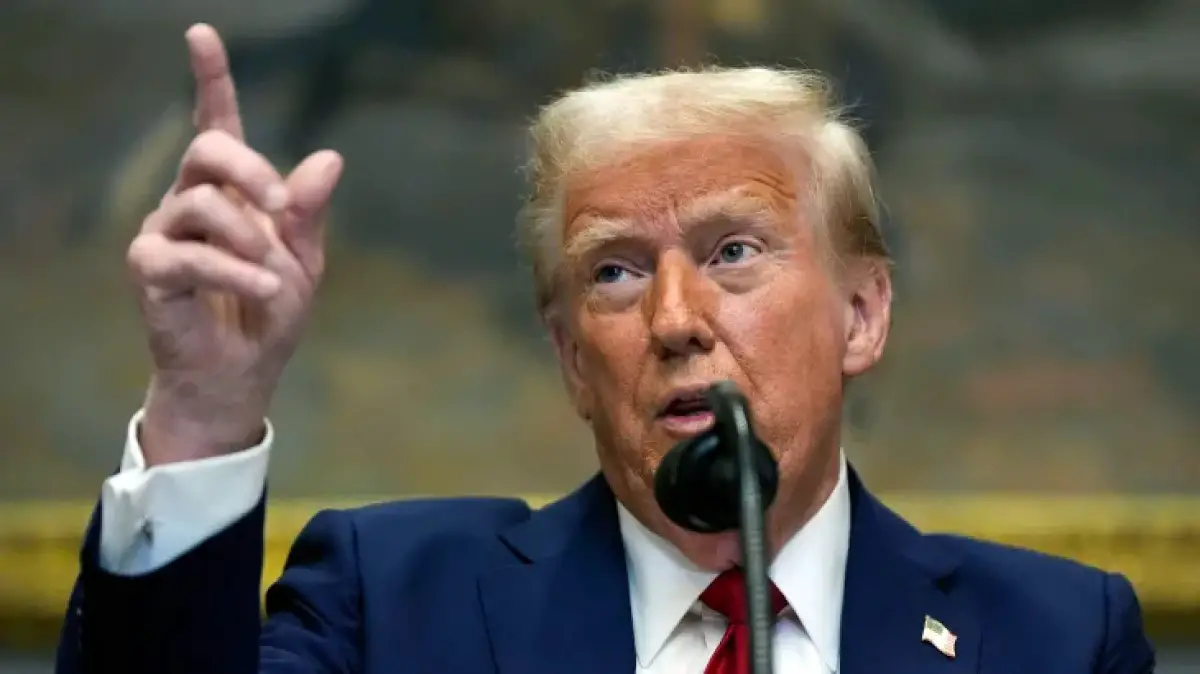
“A legal battle over U.S. tariffs could change America’s trade policies and executive powers. The case may set a precedent that reshapes the nation’s economic future and global relations.”
In a pivotal legal battle, the U.S. Court of Appeals for the Federal Circuit has challenged one of the most controversial trade policy initiatives in recent American history. This case could redefine the limits of executive power in international trade, alter trade policies that have shaped America’s global relationships, and potentially impact the nation’s economic future for decades.
A Landmark Legal Battle
The stakes of this constitutional confrontation go beyond the immediate economic implications. The court’s decision questions whether the executive branch can continue wielding broad economic powers, particularly when it comes to trade. If successful, the legal challenge could set a significant precedent, reshaping decades of trade policy and fundamentally altering the relationship between the executive, legislative, and judicial branches in American governance.
On Friday, the political world was stunned when the U.S. Court of Appeals ruled 7-4 that the executive’s imposition of sweeping import taxes—justified under emergency powers—lacked constitutional backing. The court questioned the legal authority behind tariffs that have brought in billions of dollars in revenue, challenging their foundation under emergency powers legislation.
Presidential Defiance and Constitutional Authority
In response to the court’s decision, President Donald Trump defied the ruling, declaring that tariffs would remain in effect. In a post on Truth Social, Trump dismissed the court’s judgment as politically motivated and reiterated the economic importance of these tariffs, framing them as essential to national survival.
“ALL TARIFFS ARE STILL IN EFFECT!” Trump emphasized, further asserting that eliminating tariffs would lead to economic disaster. His defiance raised critical questions about the relationship between the executive and the judiciary, especially when decisions clash with presidential priorities.
Economic Stakes and Revenue Implications
The potential economic consequences of the court’s decision are immense. Since the tariffs were introduced, they have generated significant government revenue—$142 billion by July, more than double the previous year’s collections. These funds have played a crucial role in supporting government operations, particularly given other fiscal policies, such as tax cuts, that reduced other revenue sources.
If the tariffs are revoked, it could lead to a massive loss of government income and potentially force refunds to importers. This situation could place a severe strain on federal finances, with financial experts warning of “financial ruin” if tariffs are removed.
The Constitutional and Legal Framework
At the heart of the legal challenge is the interpretation of emergency powers granted to the president under the International Emergency Economic Powers Act (IEEPA). The tariffs were justified under this act, but the court ruled that the trade deficits and issues like drug trafficking and illegal immigration did not constitute the “unusual and extraordinary threats” necessary to invoke emergency powers.
This decision strikes at the core of executive power in trade policy and the scope of presidential authority in managing economic crises. Critics argue that the courts are limiting the president’s ability to swiftly respond to international threats, potentially undermining the ability to protect U.S. economic interests.
The Impact on Global Trade and Relations
The tariffs have had far-reaching effects on U.S. relationships with major trading partners, using them as leverage to force new trade deals. This has created significant friction with traditional allies but has also opened new opportunities for bilateral negotiations.
However, the uncertainty created by this legal battle complicates these relationships. The global trade landscape has shifted in response to U.S. tariffs, and now the potential reversal of these policies could lead to international instability, affecting long-term economic strategies.
Economic Theory and Policy Effectiveness
The debate surrounding these tariffs goes beyond legal arguments to involve fundamental economic theory. Supporters argue that tariffs protect American jobs and industries from unfair foreign competition, while critics contend that they raise consumer prices and lead to retaliatory measures that harm U.S. exporters.
The success of these policies depends on the ability to balance the protection of domestic interests with the realities of a globalized economy. The legal challenge forces policymakers to consider whether these protectionist measures are the most effective way to ensure long-term economic growth.
The Path to the Supreme Court
The case, which is set to be reviewed by the Supreme Court, represents a critical moment in American economic governance. The Supreme Court’s decision could set legal precedents that will shape the president’s authority to use economic powers for decades to come.
Legal experts predict that the outcome could either reinforce or limit the president’s ability to use tariffs as tools of national security and economic policy. The timing of this challenge is crucial, with businesses and international trading partners awaiting clarity on whether the tariffs will remain in place or be reversed.
Congressional Response and Legislative Authority
While the courts weigh in, members of Congress are also beginning to express concern over the executive’s use of trade powers. Some see this as an example of executive overreach, while others argue that Congress must take a more active role in regulating international trade policy.
This legal battle may prompt Congress to reconsider the amount of trade authority it has delegated to the president. It could lead to new legislation that either grants broader powers to the executive or places more checks on the president’s ability to act unilaterally.
Economic Uncertainty and Market Impact
The ongoing legal uncertainty surrounding the tariffs is causing volatility in global markets. Businesses are struggling to plan for the future, unsure of the long-term direction of U.S. trade policy. This uncertainty could harm economic growth, discourage investment, and disrupt global supply chains.
Financial markets are responding with caution, as investors weigh the potential risks and rewards of continuing with the current tariff regime or facing a new set of trade policies that may be far less predictable.
Conclusion: A Constitutional Moment
The legal challenge over tariffs is more than a dispute about trade—it reflects deep constitutional questions about executive power, legislative oversight, and the role of the judiciary in shaping American economic policy. The outcome of this case will likely establish important precedents for the balance of power between the executive and judicial branches, and it may set the stage for future debates over how the U.S. interacts with the global economy.
As this case progresses to the Supreme Court, the nation will await a decision that could reshape not just trade policy, but the broader relationship between the branches of government and the fundamental principles of American governance.