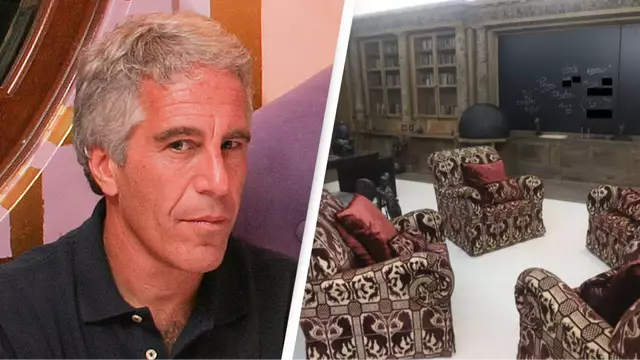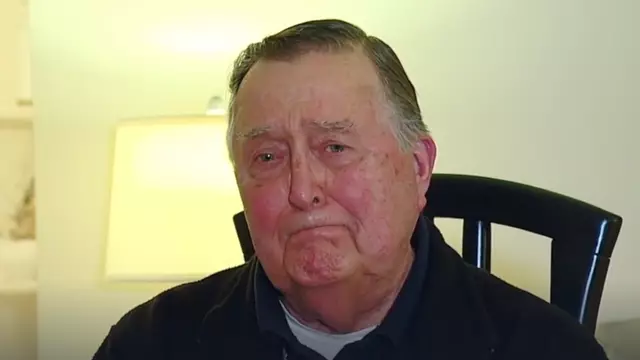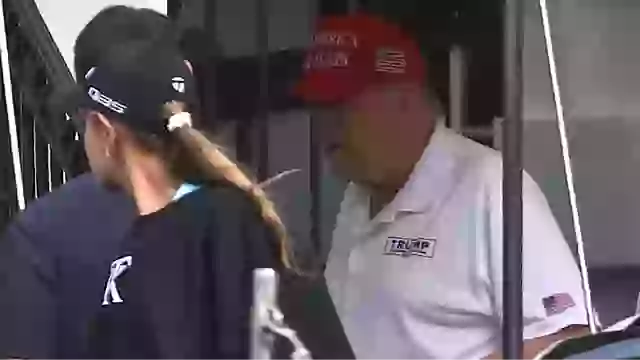
“Donald Trump is seen in Washington, D.C., after bizarre rumors about his death spread online. Find out why speculation skyrocketed and what fueled the rumors surrounding the POTUS’s health.”
Trump Seen for the First Time After Death Rumors Take Over the Internet
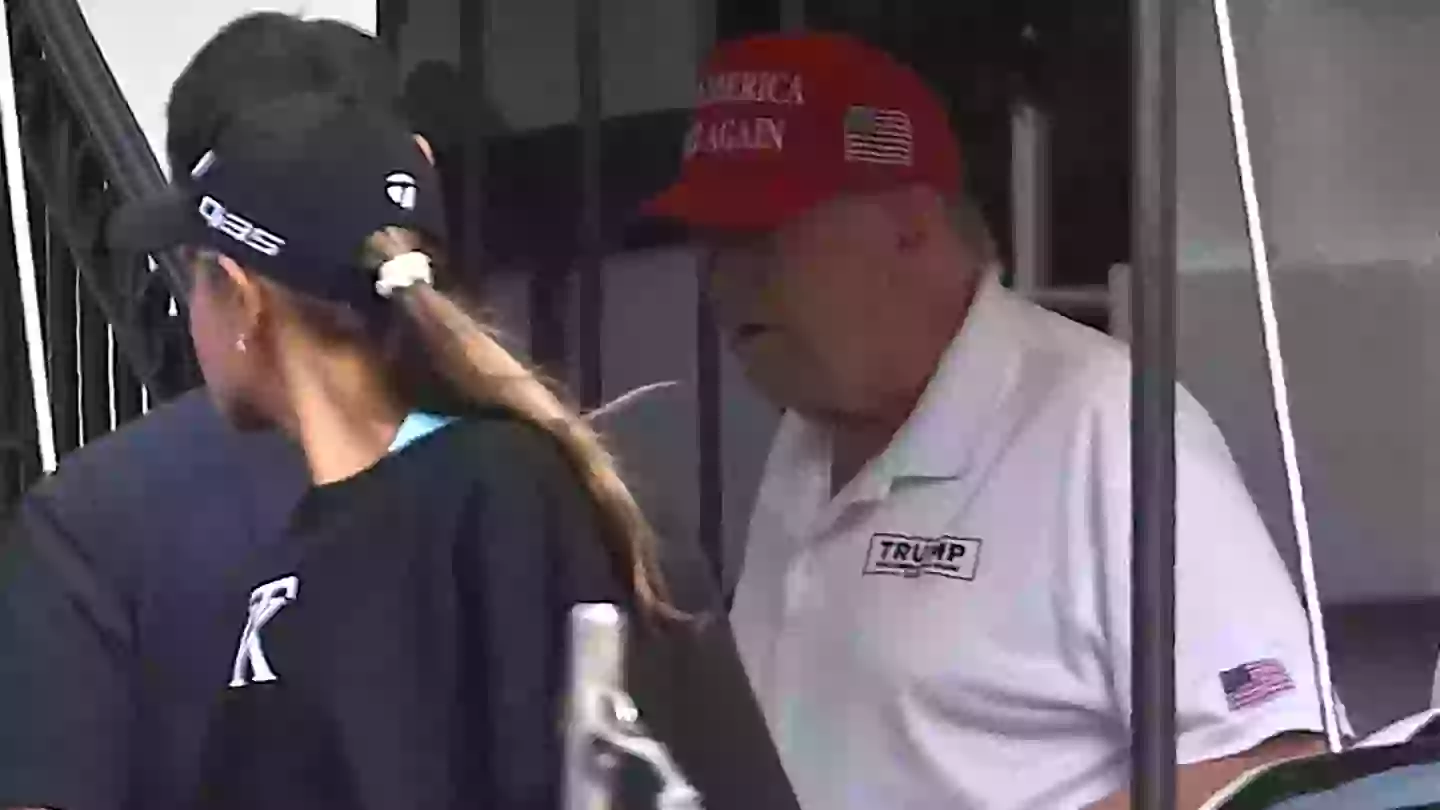
Former President Donald Trump was seen in public for the first time on Saturday, following bizarre rumors that had been circulating online about his death. The rumors spread like wildfire after the president’s health became a hot topic, especially after he was seen with a large bruise on his hand, which his team attempted to cover up with foundation.
Trump has also been diagnosed with chronic venous insufficiency (CVI), a condition that affects blood flow in the legs. However, the health condition, along with his appearance in public with his granddaughter on the South Lawn at the White House, did little to calm the online speculation.
The Start of the Death Rumors
The rumors first began after Trump was absent from public view for two days. This was unusual since the president is frequently seen in public, and no events had been scheduled for the day. Speculation quickly began to swirl about what might have happened to him, with some jumping to the extreme conclusion that he had died.
One of the theories that gained traction on social media came from Reddit, where users pointed to busy pizza places near the Pentagon. The theory suggested that such activity might indicate an important national security event, possibly even Trump’s death. This theory harkened back to a similar claim about pizza orders during Trump’s missile strikes on Iran.
One user on X (formerly Twitter) even pointed out how they had monitored pizza shop traffic, debunking the myth that this was a meaningful sign of something significant happening.
JD Vance’s Ominous Comments Add Fuel to the Fire
Various pizzerias nearby the Pentagon are reporting high traffic.
As of 1:08pm ET pic.twitter.com/LnPVrc8Wvx
— Pentagon Pizza Report (@PenPizzaReport) August 29, 2025
Adding to the fire, Vice President JD Vance made comments that seemed to stoke the flames of the death rumors. In an interview, Vance stated that, in the case of a “terrible tragedy,” he would be able to step in as president. While he clarified that Trump was in “incredibly good health,” his comments raised eyebrows.
“I’ve had a lot of on-the-job training in the last 200 days, but the president is in incredibly good health. He’s got incredible energy,” Vance said, going on to explain that Trump was always one of the last to sleep and the first to make calls in the morning. However, his mention of “terrible tragedies” and stepping in as president led some to believe he was foreshadowing something.
This statement triggered a flurry of social media reactions, with many questioning why the vice president was speaking in such an ominous tone.
The Resurfacing of Trump and the Truth Behind the Rumors
Trump’s appearance with his granddaughter on the White House lawn served to put the rumors to rest. CNN journalist Barak Ravid quickly addressed the speculation, tweeting that a U.S. official confirmed that Trump was “OK” and would be playing golf later that morning.
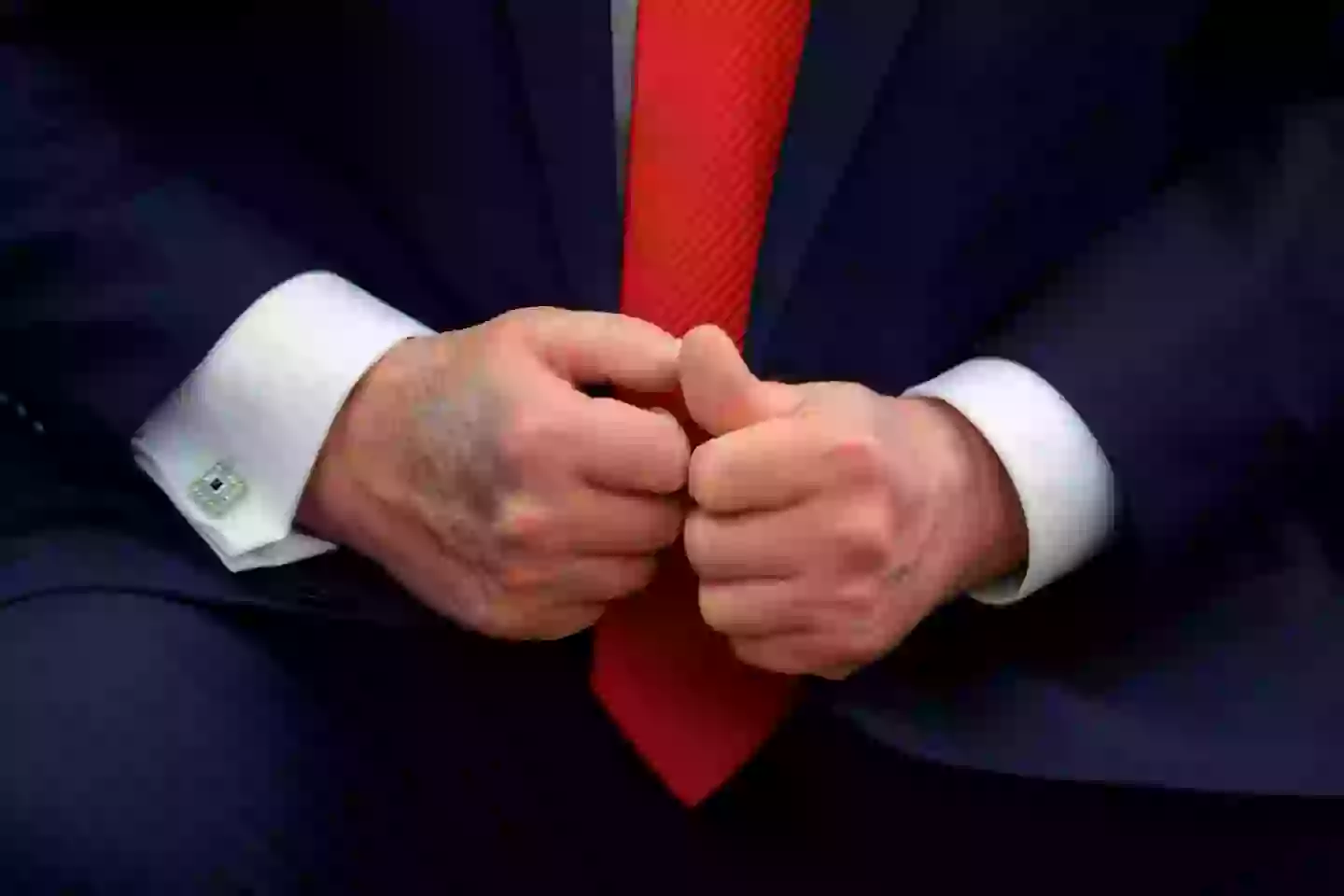
Despite the absurdity of the rumors, they spread widely, showing just how easily misinformation can take hold in today’s viral culture. However, the confirmation that Trump was alive and well did little to silence the buzz created by the days of intense speculation.
Conclusion: The Viral Power of Rumors in Modern Media
The frenzy surrounding Trump’s health and the rumors of his death highlight how rapidly misinformation can spread in the digital age. What began as speculation about his absence quickly spiraled into bizarre theories, from busy pizza shops to off-hand comments by Vance that seemed to imply something far more ominous.
While Trump’s public appearance was a relief to his supporters, the incident raises questions about how rumors—whether about health or otherwise—can rapidly gain traction and stir up public anxiety. As the news cycle continues to evolve, it’s clear that the ability to control the narrative is more important than ever for political figures in the digital age.