JD Vance’s comments about Donald Trump’s health have raised questions about presidential succession. Learn what happens if a US president dies in office and the constitutional process involved.
The death of a US president is an event no one ever wants to think about, but history shows it’s something that can, and has, happened. In light of Vice President JD Vance’s comments about President Trump’s health, many are left wondering what exactly happens if a president were to die while in office.
While there is no indication that President Donald Trump, at 79 years old, is facing any immediate health issues, Vance’s comments have sparked discussions around the legal and political implications of such a scenario. Here’s a closer look at what happens if a president dies in office and how the process of succession works.
What Happens If a President Dies in Office?
The Constitution is clear on the issue of presidential succession. If a president dies while in office, the vice president automatically becomes the new president. This is outlined in the 25th Amendment, which states:
“In case of the removal of the President from office or of his death or resignation, the Vice President shall become President.”
Furthermore, when there is a vacancy in the vice presidency, the new president must nominate a vice president, who then needs to be confirmed by a majority vote in both houses of Congress. This ensures that the executive branch remains fully operational, even in the event of such a tragedy.
Historical Instances of Presidents Dying in Office
In US history, eight presidents have died while serving in office. Tragically, four were assassinated:
Abraham Lincoln (1865) — Assassinated by John Wilkes Booth.
James Garfield (1881) — Assassinated by Charles J. Guiteau.
William McKinley (1901) — Assassinated by Leon Czolgosz.
John F. Kennedy (1963) — Assassinated by Lee Harvey Oswald.
The remaining four presidents died due to natural causes while in office:
Franklin D. Roosevelt (1945) — Died of a cerebral hemorrhage.
Warren G. Harding (1923) — Died of a heart attack.
Zachary Taylor (1850) — Died of gastroenteritis.
William Henry Harrison (1841) — Died of pneumonia, just a month into his term.
Each of these events led to the immediate ascension of the vice president to the presidency, following the constitutional guidelines.
JD Vance’s Comments About Trump’s Health
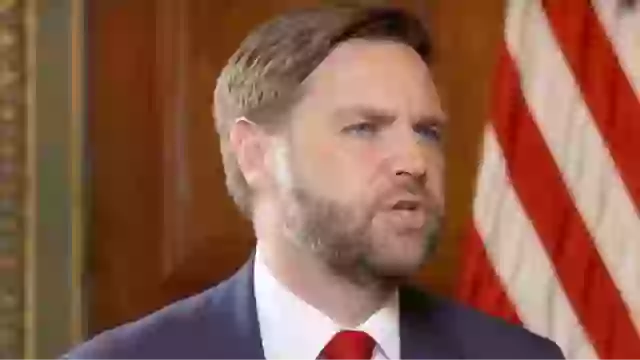
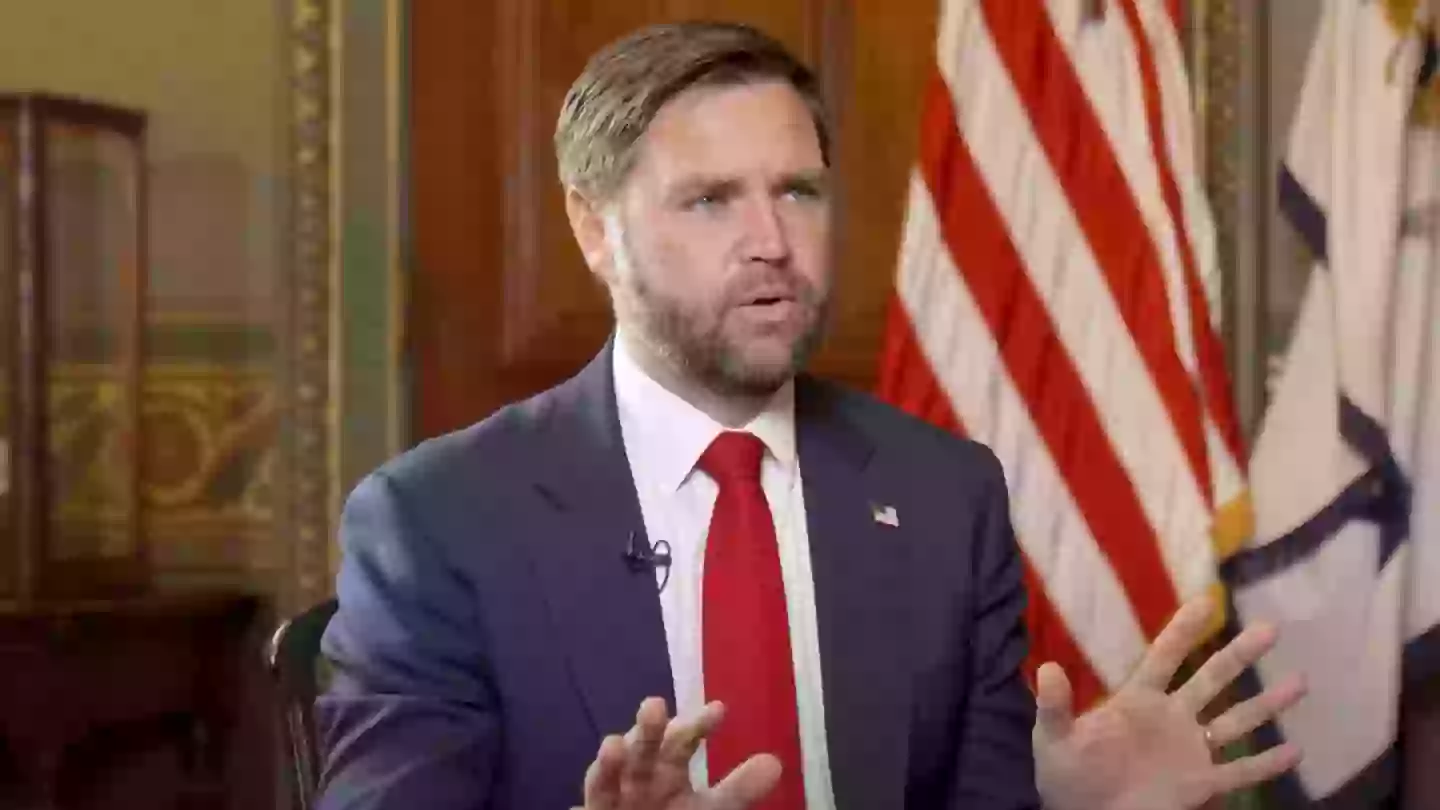
Amid growing speculation about the health of President Trump, Vice President JD Vance was asked about his preparedness to step in if needed. Vance, 41, told USA Today, “I’ve had a lot of on-the-job training in the last 200 days, but the president is in incredibly good health. He’s got incredible energy.”
Vance continued, describing how Trump, despite his age, is more active than many of his younger staff members, noting, “He’s the last person to go to sleep, he’s the last person making phone calls at night, and he’s the first person who wakes up and is the first person making phone calls in the morning.”
However, Vance did acknowledge the potential for “terrible tragedies” and emphasized his confidence in Trump’s health, saying he felt “very confident that [Trump] is in good shape” and would serve the remainder of his term. He added, “If God forbid there is a terrible tragedy, I can’t think of better on-the-job training than what I’ve gotten in the last 200 days.”
VP JD Vance said he is prepared to step in if “a terrible tragedy” were to befall President Trump, while emphasizing that Trump is “in incredibly good health” and brimming with “incredible energy.”
Vance pointed to his seven months of “on-the-job training” as readiness to… pic.twitter.com/m7UPwrn98S
— AF Post (@AFpost) August 28, 2025
Public Reaction to Vance’s Comments
Vance’s remarks sparked immediate reactions from the public, with many describing his response as “strange” and even “ominous.” One commenter on social media remarked, “Strange thing to say as the person who is VP, no?” Another suggested that Vance might be “foreshadowing” a potential event. Others questioned why such statements were being made at all, with one user writing, “What an incredibly odd thing to say.”
While Vance’s comments may seem unusual, they reflect the reality of being a vice president: always prepared for an uncertain future, whether it’s stepping into the role of president or facing other unforeseen circumstances.
Conclusion: The 25th Amendment and Presidential Succession
The 25th Amendment ensures that the country has a clear line of succession in case of a president’s death or incapacity, preventing confusion or a power vacuum. While the possibility of a sitting president passing away is a sensitive and troubling topic, the Constitution provides a structure that allows for a smooth transition of power.
As for JD Vance’s comments, they have only heightened speculation and concern about the health of President Trump. Whether his remarks were simply a reflection of his readiness or a subtle hint at a possible contingency plan remains to be seen. Either way, the laws and guidelines governing presidential succession are in place to ensure the nation remains stable in times of crisis.