
Florida’s controversial immigration detention facility, Alligator Alcatraz, has cost taxpayers $250 million. Now, it faces closure after only months of operation. Read about the latest developments and lawsuits surrounding the facility.
Alligator Alcatraz, Florida’s controversial immigration detention facility, has been in the headlines for all the wrong reasons. Despite its hefty $250 million price tag, the facility—built in the Everglades—faces closure amid growing legal challenges and outrage over its conditions.
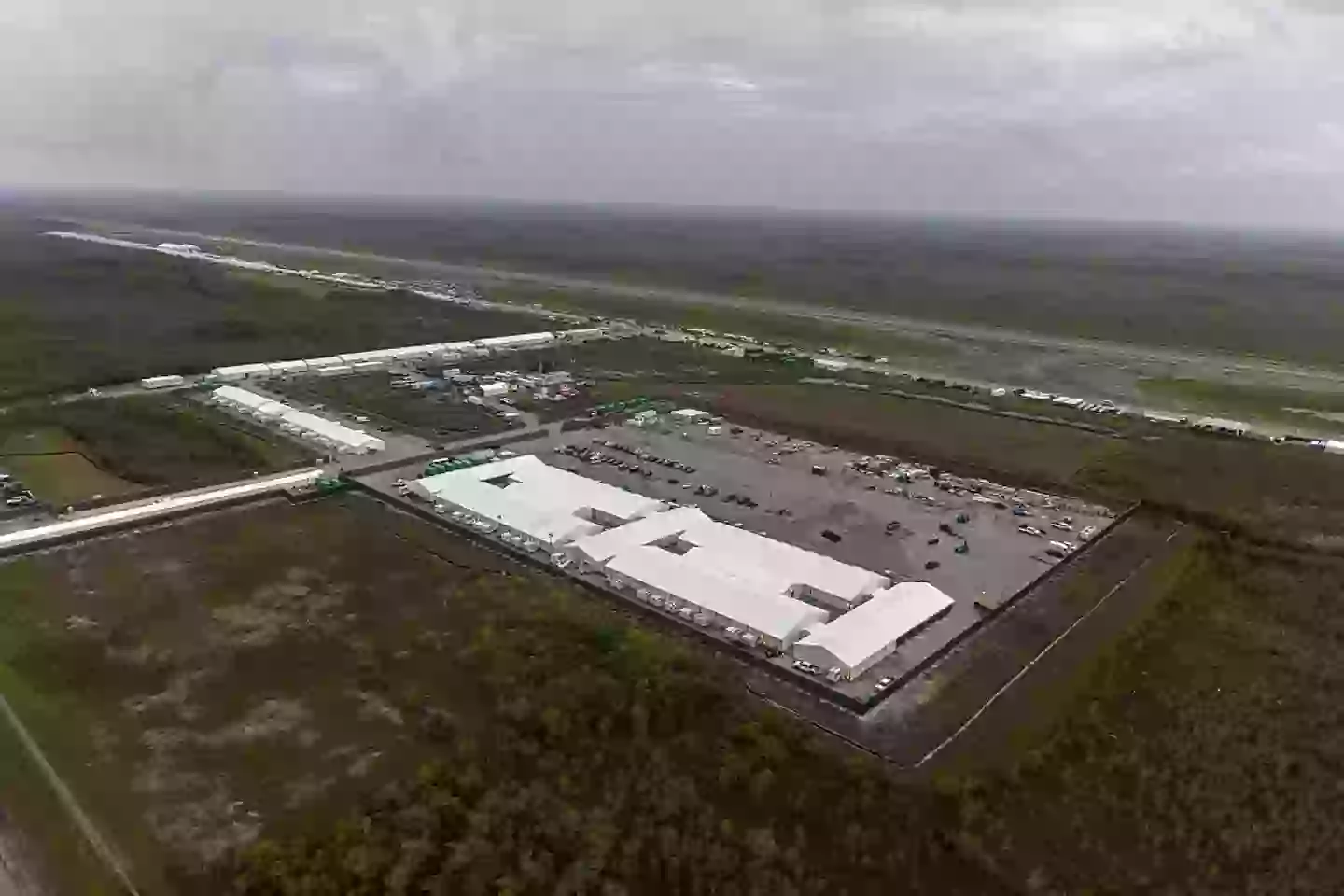
The detention center, officially opened on July 1, 2025, was built at the former Dade-Collier Training and Transport Airport, located west of Miami. The facility, which has the capacity to hold 3,000 detainees, quickly earned the nickname “Alligator Alcatraz” due to its isolated location and surrounding alligator- and python-infested waters.

A Costly Controversy
Despite being touted as a solution to immigration control, Alligator Alcatraz has drawn heavy criticism due to reports of inhumane conditions. Detainees have complained about “maggots” in food, inadequate access to basic hygiene, and constant lights. Some have claimed they haven’t seen the sun for days.
The center was supposed to cost $450 million per year to operate once fully completed. As of July, over $245 million had already been spent on contracts for its construction and operation. The facility’s excessive spending has sparked widespread backlash, especially after news broke that it would likely be empty within days due to ongoing legal battles.
The Closure Decision
In a surprising twist, Florida Governor Ron DeSantis’ administration has announced that the facility will likely close soon, following a court ruling that mandates the removal of detainees within 60 days. A judge ordered the detention center to scale back operations, with some detainees already moved to other facilities or deported.]
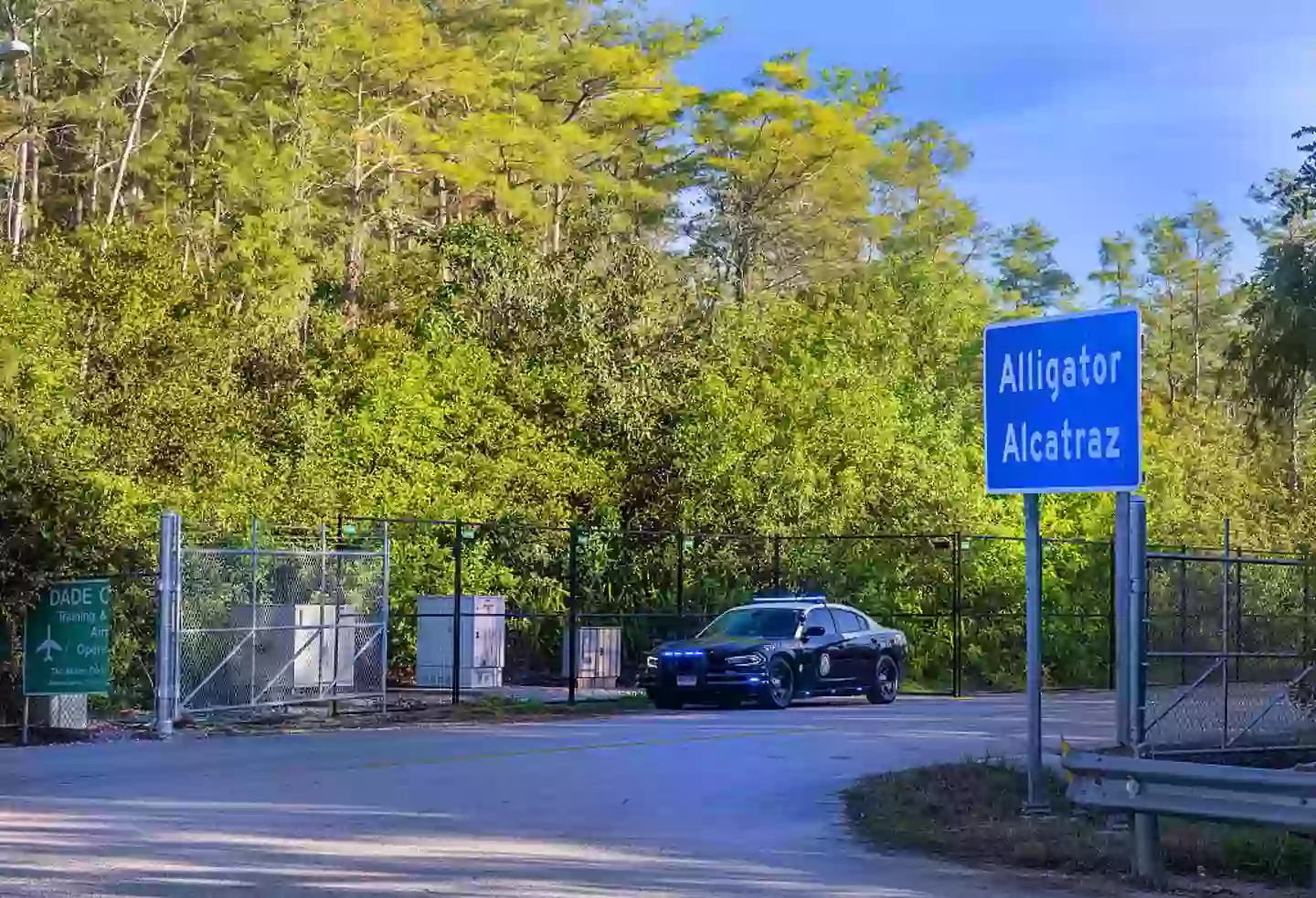
This decision comes amid a battle between Florida officials and the federal government. While the state is pushing to keep the center open, arguing it’s necessary to house detainees, the federal government counters that decisions about detaining individuals should be made at the federal level.
Federal Court Ruling and Ongoing Legal Challenges
The closure has triggered a series of lawsuits, including one filed by U.S. Rep. Maxwell Frost, who toured the facility and reported that only 300 to 350 detainees remained. These lawsuits question the center’s practices and demand it be shut down.
Meanwhile, Florida officials are appealing the court’s decision to scale down operations, with the government citing the need for additional beds due to overcrowding in other immigration detention centers in the state. In an August 22 email, Florida Division of Emergency Management Executive Director Kevin Guthrie told Rabbi Mario Rojzman that the facility would likely be down to “zero individuals within a few days.”
Public Outrage and Criticism
Taxpayer spending on Alligator Alcatraz has ignited a firestorm of criticism. The facility’s $250 million price tag and projected $450 million annual operating costs have drawn sharp rebukes from those who view the detention center as an enormous waste of resources.
One online commenter fumed: “Spending $450 million only to shut it down is not fiscally conservative.” Another expressed frustration, saying, “One thing this country knows how to do is waste.”
In an interview with CNN, Thomas Kennedy, policy analyst for the Florida Immigrant Coalition, condemned the center’s construction. “Detaining 3,000 people in tents in the Everglades during hurricane season is a bad idea all around,” Kennedy said.
The Way Forward
With the closure of Alligator Alcatraz likely imminent, the facility’s future remains uncertain. If the federal government prevails in its legal challenge, the detention center could remain open. For now, the ongoing battle over its existence continues to attract attention and spark debate over the state’s immigration policies and spending priorities.
Conclusion
The future of Alligator Alcatraz remains in flux as the battle between state and federal authorities continues. While the cost of constructing and operating the facility has already reached $250 million, the expected closure has sparked both frustration and relief. As the legal proceedings unfold, the debate over the facility’s efficacy and the use of taxpayer money will only intensify.