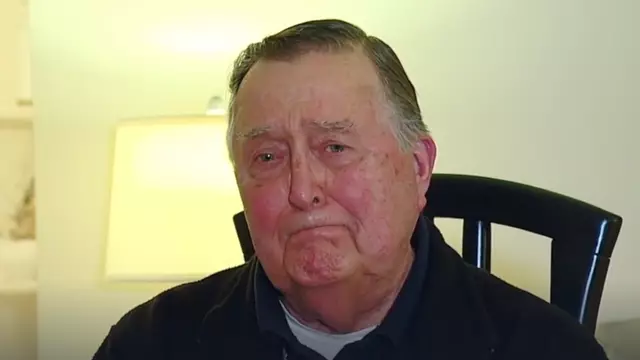
Bruce Willis’ wife Emma confirms the actor is now living separately due to frontotemporal dementia. An expert explains how the condition changes behavior, language, and personality.
Hollywood legend Bruce Willis, now 70, is continuing his battle with frontotemporal dementia (FTD) — a rare condition that affects behavior, language, and personality.
After being diagnosed in 2023, Willis has been surrounded by love and support from fans and family. But in a recent interview, his wife Emma Heming Willis revealed a heartbreaking update: Bruce is now living in a separate home, a difficult choice made to protect their daughters.
Why Has Bruce Willis Moved Out?

Emma explained that Bruce is still in “great physical health” and remains mobile, but dementia continues to affect his brain. His language skills are fading, and the family now only gets brief glimpses of his personality.
“It’s his laugh. Sometimes you’ll see that twinkle in his eye, or that smirk, and I just get transported,” Emma shared.
But those moments are fleeting. Emma admitted that moving Bruce to a different house was one of the hardest decisions she’s ever made. Still, she believes it’s what Bruce would want for their daughters, Mabel (13) and Evelyn (11).
“He would want them in a home that’s more tailored to their needs, not his needs,” she said.
How Does Frontotemporal Dementia Affect Behavior?
Simon Wheeler, Senior Knowledge Officer at Alzheimer’s Society, explained that FTD can cause major changes to thinking, language, and behavior.
There are two main types:
Behavioral Variant FTD (bvFTD) – affects personality, focus, and decision-making.
Easily distracted
Difficulty planning or problem-solving
Loss of motivation
Acting without thinking or in socially inappropriate ways
Struggling to understand others’ feelings
Repetitive or obsessive habits
Primary Progressive Aphasia (PPA) – affects language and communication (the type Willis has).
Forgetting words or losing vocabulary
Speaking slowly or struggling to form sentences
Using shorter or less meaningful phrases

Difficulty speaking clearly
How Families Can Adapt
Wheeler emphasized that many people with FTD may not realize they have dementia, making their actions confusing for loved ones. Recognizing this can help families understand that hurtful behavior isn’t intentional.
Practical ways to cope include:
Avoid noisy or overwhelming settings
Redirect conversations if behavior changes
Let others know about the condition — some people use helpcards to explain their needs in public
Living With FTD
Bruce Willis’ story is shining a light on the realities of living with dementia — not only for the person diagnosed but also for their family. Emma Heming Willis continues to advocate for awareness while raising their daughters with love and strength.
👉 Have you or your family experienced dementia? Share your thoughts and support in the comments.