Emma Heming Willis opens up about the first symptoms of Bruce Willis’ dementia — from routine changes to speech struggles. Read her emotional caregiving journey.
Bruce Willis’ Wife Reveals the Early Signs of Dementia She First Noticed
Hollywood legend Bruce Willis, 70, is facing one of his toughest battles yet: frontotemporal dementia (FTD). His wife of 16 years, Emma Heming Willis, recently opened up about the subtle but alarming symptoms that first appeared before his diagnosis.
What Is FTD?
FTD is a rare type of dementia that damages the brain’s frontal and temporal lobes, affecting behavior, personality, and speech. Unlike Alzheimer’s, FTD often strikes earlier in life. Sadly, there is no cure and no way to slow its progression.

According to Alzheimer’s Disease International, more than 55 million people live with dementia worldwide, and that number could rise to 139 million by 2050.
The First Symptoms Bruce Willis Showed
Changes in Routine
Emma recalled that Bruce loved taking their daughters, Mabel (13) and Evelyn (11), to school every morning. But slowly, those routines stopped. Instead of engaging with the family, he became unusually quiet and distant.
Speech Struggles
Another haunting sign was the return of Bruce’s childhood stutter. The actor, who once battled a severe speech impediment, began stuttering again in everyday conversations.
Personality Shift
Emma described how Bruce’s warm and affectionate personality faded, leaving him “removed” and “cold.” She admitted this was one of the most alarming changes to witness.
Marital Strain
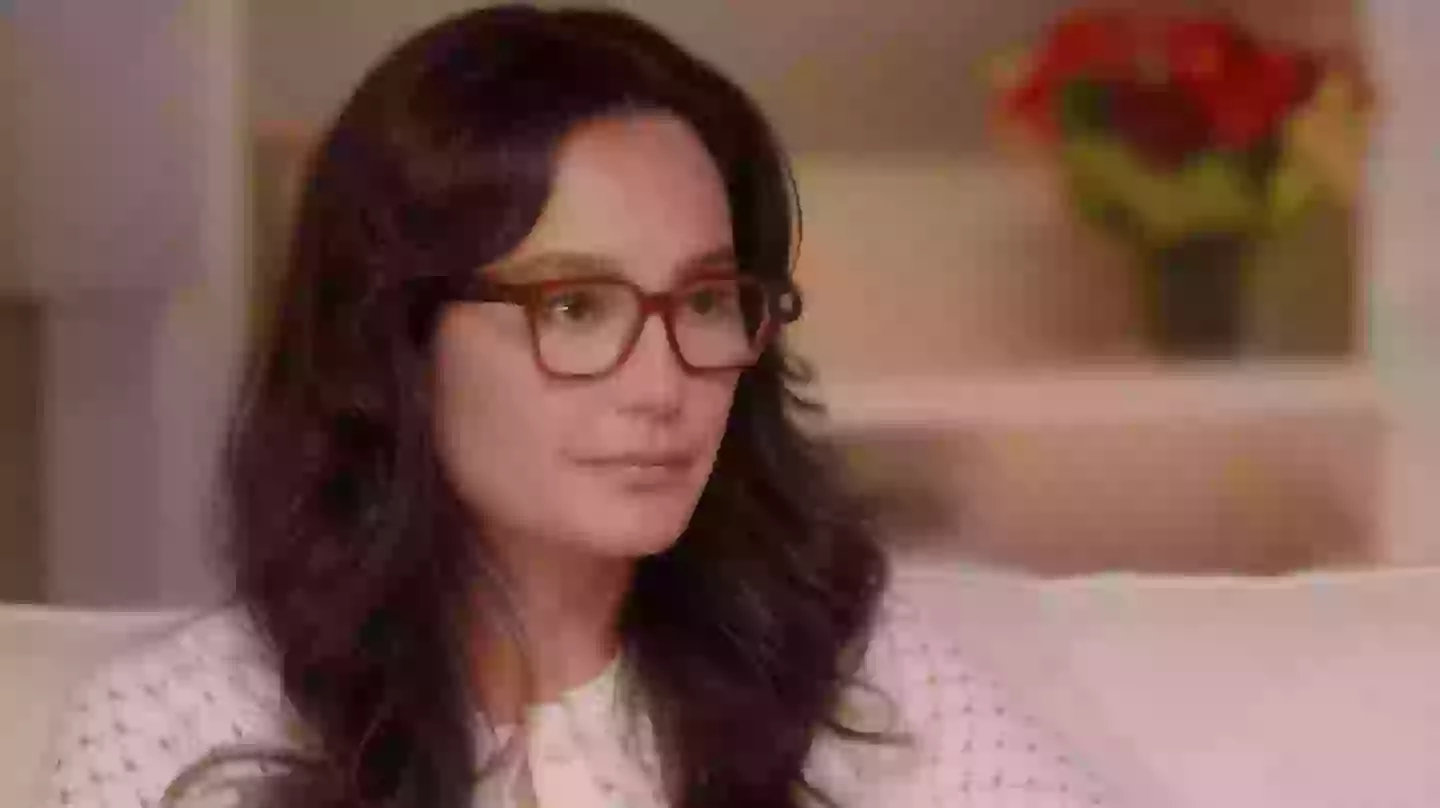
As his illness progressed, the couple faced new challenges in their marriage. When Emma asked if he was okay, Bruce would dismiss her concerns, creating confusion and emotional distance.
Life After Diagnosis
Despite his condition, Emma says Bruce is still physically strong and in good health. The family cherishes brief flashes of the old Bruce, such as his hearty laugh or the twinkle in his eye.
“Not days, but moments,” Emma explained. “When that smirk appears, I feel transported back. It’s fleeting, but I’m grateful.”
Emma’s Caregiving Journey
Becoming Bruce’s full-time caregiver was overwhelming for Emma. She described the early stages as “deeply isolating,” filled with grief and helplessness.
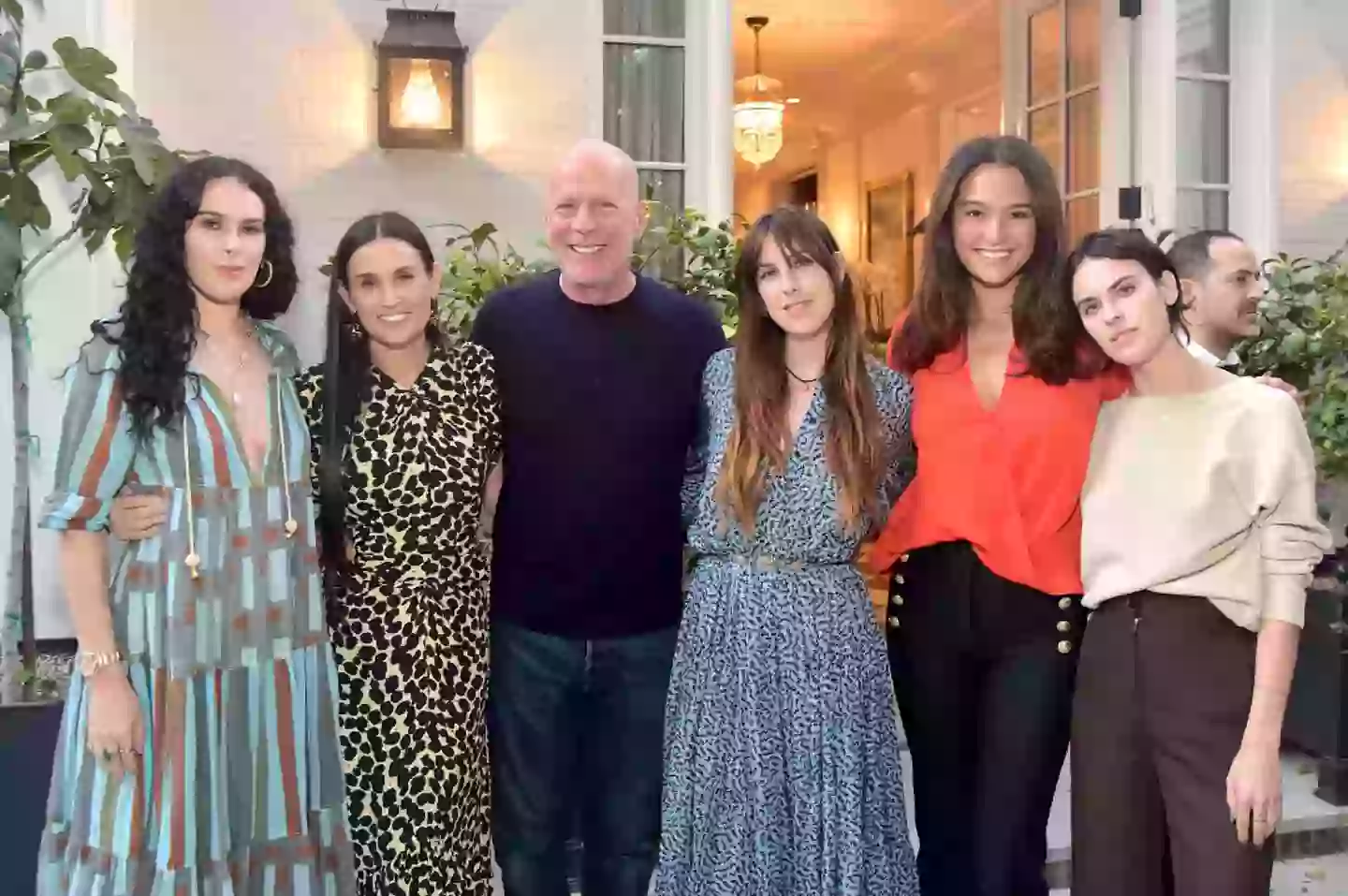
To help others, she wrote a book:
The Unexpected Journey: Finding Strength, Hope, and Yourself on the Caregiving Path.
Emma shared that going public with Bruce’s diagnosis in 2023 brought an outpouring of global support, something she wishes she had leaned on sooner.
“Everything changed when I found the right information, resources, and community,” she said. “Even as a care partner, I realized I still had agency — and I chose joy, beauty, and hope.”